
Why your Paradise Hills water heater is making loud popping or rumbling noises
Those popping or rumbling sounds coming from your water heater are not normal. They usually mean sediment buildup is causing a dangerous condition called kettling. In Paradise Hills homes, San Diego’s notoriously hard water accelerates this process, making water heater maintenance critical for local homeowners. Why La Jolla Homeowners are Switching to Tankless Water Heaters This Year.
The good news? Most popping noises are not an immediate explosion risk, but they do signal your water heater is working inefficiently and could fail soon. Understanding what causes these sounds and how to fix them can save you from cold showers and costly emergency replacements. Finding an Emergency Plumber in North Park Who Actually Picks Up the Phone.
What causes the popping noise in Paradise Hills water heaters?
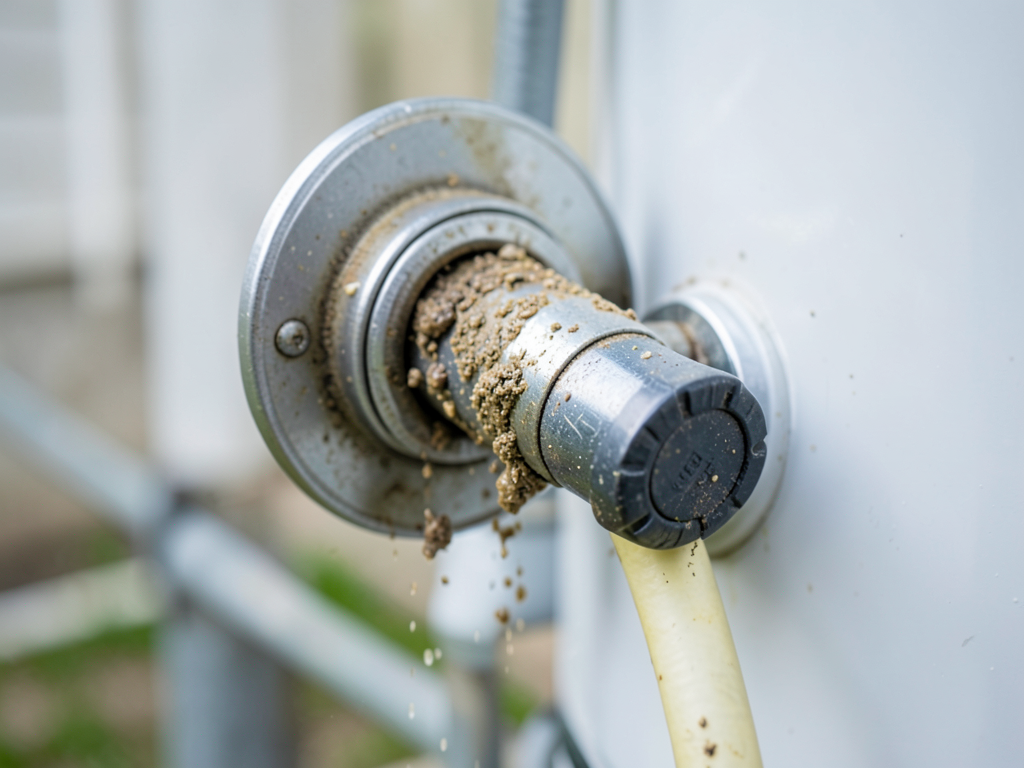
The popping sound happens when sediment builds up at the bottom of your tank. San Diego’s water contains high levels of calcium carbonate and magnesium, which settle as mineral deposits over time. When the burner heats water trapped under this sediment layer, steam bubbles form and collapse violently, creating the characteristic popping or rumbling noise. Dealing with Hard Water in Oceanside with a Professional Softener System.
This process, called kettling, forces your water heater to work harder and longer to heat the same amount of water. The sediment acts like insulation between the burner and the water, reducing efficiency by up to 50% in severe cases.. Read more about The real reason your tankless water heater in Del Sur isn’t getting hot enough.
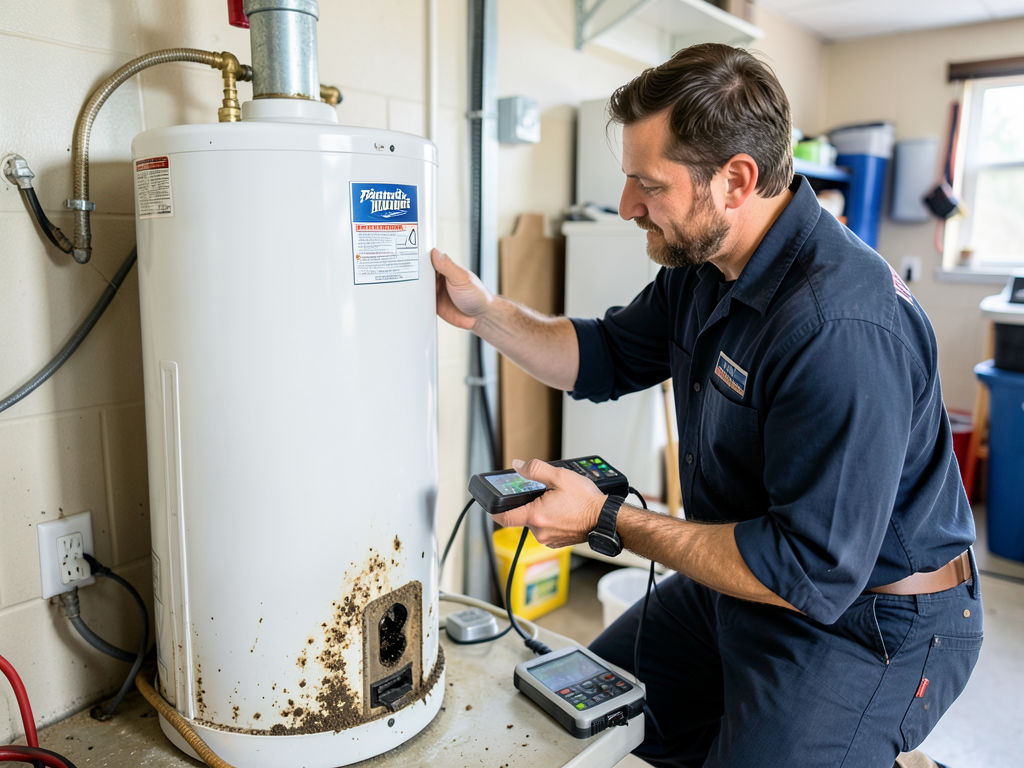
Is your water heater dangerous? While kettling doesn’t typically cause immediate explosions, it does create several safety concerns. The excessive heat can damage the tank lining, accelerate anode rod consumption, and strain the pressure relief valve. In Paradise Hills homes with older plumbing systems, this stress can lead to leaks or complete tank failure.
How to check if your Paradise Hills water heater needs attention
Start with a simple visual inspection. Look for water pooling around the base, rust-colored water from hot taps, or inconsistent water temperatures. The popping noise itself is usually loudest when the burner first ignites and continues until the water reaches temperature.. Read more about How to flush a standard water heater to remove sediment in Rancho Penasquitos.
Check the temperature and pressure relief valve (T&P valve) on the side or top of your tank. This safety device should release water when tested by lifting the lever. If no water comes out or if it leaks constantly, the valve may be failing and needs immediate replacement.. Read more about Why your City Heights water heater needs an expansion tank to prevent a burst.
Listen for the specific sound pattern. Popping that occurs only during heating cycles suggests sediment buildup. Continuous rumbling might indicate a failing heating element or dip tube. In Paradise Hills’ older homes near Euclid Avenue, these symptoms often appear together due to aging infrastructure.
Step-by-step guide to flushing your Paradise Hills water heater
Flushing removes sediment and can restore efficiency. However, this process carries risks for older tanks, so assess your unit’s age before proceeding. Water heaters over 10 years old may have weakened tanks that could leak during flushing.
- Turn off power and water supply
Shut off electricity at the breaker for electric heaters or turn the gas valve to “pilot” for gas units. Close the cold water inlet valve at the top of the tank.
- Connect a garden hose
Attach a hose to the drain valve at the bottom. Run the other end to a floor drain or outside. Open a hot water faucet in your home to allow air into the system.
- Drain the tank
Open the drain valve and let water flow until it runs clear. For severe sediment, you may need to drain completely, then briefly turn the cold water back on to stir up remaining deposits.
- Refill and restart
Close the drain valve, remove the hose, and open the cold water supply. Once the tank is full and air is purged from the system, restore power or gas.
For Paradise Hills homes with hard water, consider installing a sediment filter on the cold water line to your water heater. This can extend the time between flushes and protect your investment.
San Diego’s hard water impact on water heater lifespan
San Diego’s water hardness typically ranges from 15 to 25 grains per gallon, significantly higher than the national average of 7-10 grains. This means Paradise Hills residents experience sediment buildup 2-3 times faster than homeowners in softer water areas.
The California Plumbing Code requires water heaters to withstand specific pressure and temperature conditions, but it doesn’t mandate protection against mineral buildup. Local plumbers recommend annual flushing for Paradise Hills homes, compared to every 2-3 years in areas with softer water.
Hard water also accelerates anode rod consumption. This sacrificial component protects your tank from corrosion but dissolves faster when exposed to mineral-rich water. In Paradise Hills, anode rods may need replacement every 2-3 years instead of the typical 4-5 year interval.
When to call a Paradise Hills plumber instead of DIY
DIY flushing works for relatively new units in good condition, but several situations require professional help. If your water heater is over 10 years old, has never been flushed, or shows signs of corrosion, attempting to flush it could cause leaks or complete failure.
Professional plumbers use specialized equipment to flush tanks more thoroughly than standard garden hose methods. They can also inspect the anode rod, check the heating element, and test the T&P valve’s functionality. In Paradise Hills, local plumbers understand the specific challenges of San Diego’s water chemistry and can recommend appropriate maintenance schedules.
Gas water heaters present additional risks. Improper handling of gas lines or pilot lights can create dangerous conditions. If you smell gas or notice soot around your unit, evacuate immediately and call for emergency service.
Cost comparison: Flushing vs. replacement in Paradise Hills
Professional water heater flushing in Paradise Hills typically costs between $150-$250, depending on the severity of sediment buildup and the unit’s accessibility. This service includes inspection of key components and can extend your water heater’s life by 2-4 years.
Complete replacement costs vary based on tank size and efficiency ratings. Standard 40-50 gallon units range from $1,200-$2,500 installed, while high-efficiency models can exceed $3,000. Tankless water heaters, which don’t experience sediment buildup in the same way, start around $3,500 installed.
Consider replacement if your unit is over 10 years old, shows significant corrosion, or requires frequent repairs. Modern units offer better energy efficiency, which can offset the higher upfront cost through lower utility bills. EPA WaterSense.
Preventing future sediment buildup in Paradise Hills homes
Water softeners can dramatically reduce mineral content before it reaches your water heater. These systems exchange calcium and magnesium ions for sodium or potassium, preventing scale formation throughout your plumbing system. In Paradise Hills, a whole-house water softener typically costs $1,500-$2,500 installed.. Read more about Choosing the right whole house water filtration system for Redwood Village families.
Regular maintenance is your best defense against sediment-related problems. Schedule annual professional inspections to check anode rod condition, test the T&P valve, and assess overall system health. Many Paradise Hills plumbers offer maintenance plans that include priority service and discounted rates for routine care.
Consider installing a tankless water heater if you’re planning a replacement. These units heat water on demand and don’t store sediment-prone hot water. While the initial investment is higher, they eliminate the popping noise problem entirely and can last 20+ years with proper maintenance.
Energy efficiency loss from sediment buildup
Sediment acts as an insulator, forcing your water heater to use more energy to achieve the same water temperature. A heavily sedimented tank can consume 25-40% more energy than a clean one, directly impacting your utility bills.
The U.S. Department of Energy estimates that water heating accounts for 14-18% of home energy use. In Paradise Hills, where cooling costs are lower than many areas, this percentage can be even higher. Addressing sediment buildup can reduce your energy consumption and carbon footprint. U.S. Department of Energy.
Modern water heaters include efficiency ratings that help you compare operating costs. Look for units with high Energy Factor (EF) ratings and consider the long-term savings when deciding between repair and replacement.
Local building codes and safety requirements
California Plumbing Code Section 502.4 requires water heaters to be installed with proper seismic strapping in earthquake-prone areas like San Diego. This means your unit must be secured to wall studs to prevent tipping during seismic events.
The code also mandates proper T&P valve installation and discharge piping. Discharge pipes must terminate within 6 inches of the floor and cannot be threaded at the end. These requirements protect against scalding and property damage if the valve activates.
Paradise Hills homes built before 1980 may not meet current code requirements. Professional plumbers can assess your installation and recommend upgrades to ensure compliance and safety.
Frequently Asked Questions
How often should I flush my water heater in Paradise Hills?
Due to San Diego’s hard water, flush your water heater annually. Homes with extremely hard water or high usage may benefit from twice-yearly flushing. Set calendar reminders or join a maintenance plan for consistent care.
Can I prevent sediment buildup without flushing?
While you can’t eliminate sediment entirely, water softeners and sediment filters significantly reduce mineral accumulation. These systems treat water before it enters your heater, preventing the scale formation that causes popping noises.
What’s the difference between popping and rumbling noises?
Popping sounds typically indicate steam bubbles forming under sediment layers. Rumbling or knocking noises often suggest failing heating elements, loose pipes, or severe sediment buildup affecting the entire tank. Both warrant investigation but may require different solutions.
How long do water heaters last in Paradise Hills?
With proper maintenance, standard tank water heaters last 8-12 years in Paradise Hills. Hard water and heavy usage can reduce this to 6-8 years. Tankless units can exceed 20 years when maintained properly.
Call (619) 304-5400 today for Paradise Hills water heater service
Don’t ignore those popping noises. What starts as a minor inconvenience can quickly become a major problem, leaving you without hot water when you need it most. Our Paradise Hills plumbers understand local water conditions and can diagnose your specific issue quickly. How to Deal with a Slab Leak in Your Point Loma Home Without Destroying Your Floors.
We offer same-day service for urgent problems and can often complete repairs or flushing during the initial visit. Our transparent pricing means no surprises, and our work comes with a satisfaction guarantee.
Call (619) 304-5400 today to schedule your water heater inspection. Whether you need a simple flush, component replacement, or complete installation, we’ll provide honest recommendations based on your specific situation and budget.
Protect your home from unexpected water heater failures. One call today can prevent costly emergency repairs tomorrow.
Don’t wait until you’re taking cold showers. Call (619) 304-5400 now for expert Paradise Hills water heater service.
{
“@context”: “https://schema.org”,
“@type”: “BlogPosting”,
“headline”: “Why your Paradise Hills water heater is making loud popping or rumbling noises”,
“description”: “Loud popping or rumbling noises from your Paradise Hills water heater usually mean sediment buildup is causing ‘kettling.’ Learn the causes, safety risks, and local San Diego solutions.”,
“wordCount”: 1778,
“datePublished”: “2026-03-27T14:00:00.000Z”,
“dateModified”: “2026-03-27T14:00:00.000Z”,
“inLanguage”: “en-US”,
“mainEntityOfPage”: {
“@type”: “WebPage”,
“@id”: “https://aceplumbingsandiego.com”
},
“publisher”: {
“@type”: “LocalBusiness”,
“name”: “Ace Plumbing San Diego”,
“url”: “https://aceplumbingsandiego.com”
},
“author”: {
“@type”: “Organization”,
“name”: “Ace Plumbing San Diego”,
“url”: “https://aceplumbingsandiego.com”
},
“image”: {
“@type”: “ImageObject”,
“url”: “https://aceplumbingsandiego.com/wp-content/uploads/2026/03/why-your-paradise-hills-water-heater-is-making-lou-1.png”
}
}
{
“@context”: “https://schema.org”,
“@type”: “Plumber”,
“name”: “Ace Plumbing San Diego”,
“url”: “https://aceplumbingsandiego.com”,
“address”: {
“@type”: “PostalAddress”,
“addressLocality”: “San Diego”
},
“areaServed”: {
“@type”: “City”,
“name”: “San Diego”
}
}
{
“@context”: “https://schema.org”,
“@type”: “FAQPage”,
“mainEntity”: [
{
“@type”: “Question”,
“name”: “What causes the popping noise in Paradise Hills water heaters?”,
“acceptedAnswer”: {
“@type”: “Answer”,
“text”: “The popping sound happens when sediment builds up at the bottom of your tank. San Diego’s water contains high levels of calcium carbonate and magnesium, which settle as mineral deposits over time. When the burner heats water trapped under this sediment layer, steam bubbles form and collapse violently, creating the characteristic popping or rumbling noise. Dealing with Hard Water in Oceanside with a Professional Softener System.”
}
},
{
“@type”: “Question”,
“name”: “How often should I flush my water heater in Paradise Hills?”,
“acceptedAnswer”: {
“@type”: “Answer”,
“text”: “Due to San Diego’s hard water, flush your water heater annually. Homes with extremely hard water or high usage may benefit from twice-yearly flushing. Set calendar reminders or join a maintenance plan for consistent care.”
}
},
{
“@type”: “Question”,
“name”: “Can I prevent sediment buildup without flushing?”,
“acceptedAnswer”: {
“@type”: “Answer”,
“text”: “While you can’t eliminate sediment entirely, water softeners and sediment filters significantly reduce mineral accumulation. These systems treat water before it enters your heater, preventing the scale formation that causes popping noises.”
}
},
{
“@type”: “Question”,
“name”: “What’s the difference between popping and rumbling noises?”,
“acceptedAnswer”: {
“@type”: “Answer”,
“text”: “Popping sounds typically indicate steam bubbles forming under sediment layers. Rumbling or knocking noises often suggest failing heating elements, loose pipes, or severe sediment buildup affecting the entire tank. Both warrant investigation but may require different solutions.”
}
},
{
“@type”: “Question”,
“name”: “How long do water heaters last in Paradise Hills?”,
“acceptedAnswer”: {
“@type”: “Answer”,
“text”: “With proper maintenance, standard tank water heaters last 8-12 years in Paradise Hills. Hard water and heavy usage can reduce this to 6-8 years. Tankless units can exceed 20 years when maintained properly.”
}
}
]
}
{
“@context”: “https://schema.org”,
“@type”: “HowTo”,
“name”: “How to Flush a Water Heater”,
“step”: [
{
“@type”: “HowToStep”,
“position”: 1,
“name”: “Turn off power and water supply”,
“text”: “Shut off electricity at the breaker for electric heaters or turn the gas valve to \”pilot\” for gas units. Close the cold water inlet valve at the top of the tank.”
},
{
“@type”: “HowToStep”,
“position”: 2,
“name”: “Connect a garden hose”,
“text”: “Attach a hose to the drain valve at the bottom. Run the other end to a floor drain or outside. Open a hot water faucet in your home to allow air into the system.”
},
{
“@type”: “HowToStep”,
“position”: 3,
“name”: “Drain the tank”,
“text”: “Open the drain valve and let water flow until it runs clear. For severe sediment, you may need to drain completely, then briefly turn the cold water back on to stir up remaining deposits.”
},
{
“@type”: “HowToStep”,
“position”: 4,
“name”: “Refill and restart”,
“text”: “Close the drain valve, remove the hose, and open the cold water supply. Once the tank is full and air is purged from the system, restore power or gas.”
}
],
“image”: “https://aceplumbingsandiego.com/wp-content/uploads/2026/03/why-your-paradise-hills-water-heater-is-making-lou-1.png”
}
{
“@context”: “https://schema.org”,
“@type”: “BreadcrumbList”,
“itemListElement”: [
{
“@type”: “ListItem”,
“position”: 1,
“name”: “Home”,
“item”: “https://aceplumbingsandiego.com”
},
{
“@type”: “ListItem”,
“position”: 2,
“name”: “Blog”,
“item”: “https://aceplumbingsandiego.com/blog”
},
{
“@type”: “ListItem”,
“position”: 3,
“name”: “Why your Paradise Hills water heater is making loud popping or rumbling noises”
}
]
}
{
“@context”: “https://schema.org”,
“@type”: “Service”,
“serviceType”: “Plumbing”,
“provider”: {
“@type”: “LocalBusiness”,
“name”: “Ace Plumbing San Diego”,
“url”: “https://aceplumbingsandiego.com”
},
“areaServed”: {
“@type”: “City”,
“name”: “San Diego”
},
“description”: “Loud popping or rumbling noises from your Paradise Hills water heater usually mean sediment buildup is causing ‘kettling.’ Learn the causes, safety risks, and local San Diego solutions.”
}