
Preventing a massive flood from your Otay Mesa laundry room pipes
A washing machine hose failure in Otay Mesa can dump hundreds of gallons of water into your home within minutes. The combination of high water pressure and hard water mineral buildup in this area accelerates hose degradation. This article shows you how to spot the warning signs before they become a disaster. Dealing with Hard Water in Oceanside with a Professional Softener System.
Otay Mesa’s water supply from the San Diego County Water Authority often runs at pressures exceeding 80 PSI. When paired with mineral-rich water that corrodes rubber seals, standard washing machine hoses can fail in as little as three years. The result is a sudden burst that can flood your laundry room and surrounding areas before you can react. San Diego County Water Authority.
Understanding the specific risks in Otay Mesa homes helps you take targeted preventive action. From proper hose selection to pressure regulation and early leak detection, you can protect your property from costly water damage.
Why Otay Mesa laundry rooms face unique flood risks
Otay Mesa homes typically feature newer construction with laundry rooms often located on upper floors or inside living spaces. This design increases potential damage when a hose fails. The area’s water quality presents specific challenges that accelerate hose deterioration.. Read more about Moving your laundry room to the second floor of your Rolando home safely.
San Diego’s municipal water contains high levels of calcium and magnesium. These minerals deposit inside washing machine hoses and on rubber seals, causing them to become brittle and crack. Combined with water pressure that frequently exceeds recommended levels, this creates a perfect storm for hose failure.
Many Otay Mesa homes lack pressure-reducing valves or have valves that are improperly adjusted. Without regulation, water pressure can spike during supply line surges, putting excessive stress on aging rubber hoses. This pressure cycling weakens the hose material over time. How to Deal with a Slab Leak in Your Point Loma Home Without Destroying Your Floors.
The temperature fluctuations common in Otay Mesa also affect hose integrity. Hot water causes rubber to expand while cold water causes contraction. This repeated thermal cycling creates microscopic cracks that eventually lead to catastrophic failure.
Otay Mesa sits on the San Diego Formation, a sedimentary basin that affects groundwater movement and pressure. The area’s elevation changes from lower elevations near the Otay River to higher ground near the border create pressure variations throughout the neighborhood. Homes in the 92154 and 92113 zip codes often experience different water pressure levels based on their specific location within the basin.
Warning signs your washing machine hoses are about to fail
Early detection saves thousands in potential damage. Learning to identify the physical signs of hose degradation helps you replace them before they burst.
Visual inspection reveals much about hose condition. Look for bulging sections along the hose length. These bulges indicate internal weakness where the reinforcement layers have separated from the rubber. A hose with any bulge requires immediate replacement.. Read more about What East Village loft owners need to know about preventing burst pipes during a cold snap.
Check the connection points where hoses attach to the washing machine and water supply valves. Corrosion appears as white or green powdery deposits around these fittings. This mineral buildup indicates ongoing deterioration of the metal components and rubber seals.
Feel the hose surface during a wash cycle. A healthy hose should feel firm but slightly flexible. If the hose feels soft, spongy, or has visible cracks when squeezed, the rubber has degraded beyond safe use.
Listen for unusual sounds during operation. A failing hose may make a high-pitched whine or whistling sound as water forces through developing cracks or separation points. This sound often precedes visible failure by days or weeks.
Check for moisture around connection points after each wash cycle. Even small amounts of water indicate failing seals. Water stains on walls or floors near the washing machine suggest slow leaks that will eventually become major failures.
Comparing hose materials: rubber vs. stainless steel braided
Material choice significantly impacts hose longevity and flood prevention. Understanding the differences helps you make the right selection for your Otay Mesa home.
| Feature | Standard Rubber Hoses | Stainless Steel Braided Hoses |
|---|---|---|
| Typical Lifespan | 3-5 years | 10+ years |
| Burst Pressure Rating | 500-800 PSI | 1500+ PSI |
| Resistance to Mineral Buildup | Poor | Excellent |
| Cost per Hose | $10-15 | $25-40 |
| Freeze Resistance | Low | High |
| Otay Mesa Suitability | Poor | Excellent |
Rubber hoses remain the most common choice due to their low initial cost. However, they deteriorate quickly in Otay Mesa’s hard water conditions. The rubber material absorbs minerals, becomes brittle, and develops weak points that lead to failure.
Stainless steel braided hoses feature a rubber inner tube surrounded by a protective stainless steel mesh. This construction provides superior resistance to pressure surges and mineral corrosion. The steel braiding prevents bulging and contains any potential rupture.
Many newer washing machines come with stainless steel hoses pre-installed. If your machine uses rubber hoses, upgrading to stainless steel provides immediate protection against the most common failure mode.
Reinforced rubber hoses with polyester braiding offer a middle-ground option. They provide better durability than standard rubber but don’t match the longevity of stainless steel. For Otay Mesa homes, they represent a compromise between cost and protection.
Pressure regulation: the critical first step
High water pressure accelerates hose failure regardless of material quality. Installing and maintaining a pressure-reducing valve protects your entire plumbing system.
California Plumbing Code Section 609.3 requires pressure-reducing valves when supply pressure exceeds 80 PSI. Many Otay Mesa homes operate at pressures between 85-100 PSI, making these devices mandatory for code compliance. California Plumbing Code Section 609.3.
A properly adjusted pressure-reducing valve maintains consistent pressure between 50-70 PSI. This range provides adequate flow for washing machines while eliminating the stress that causes hose failure. The valve also protects against pressure spikes from municipal supply line surges.
Test your home’s water pressure using a simple gauge that attaches to an outdoor spigot. If readings exceed 80 PSI, you need a pressure-reducing valve. Many hardware stores rent these gauges, or a plumber can test pressure during a routine inspection.
Pressure-reducing valves require periodic maintenance. The internal diaphragm can fail after 5-7 years, causing pressure to creep back up or allowing pressure spikes to pass through. Annual testing ensures continued protection.
Some newer valves include pressure gauges for easy monitoring. These allow you to verify proper operation without special tools. If you notice pressure readings climbing above 70 PSI, the valve likely needs adjustment or replacement.
Installing flood prevention devices
Beyond hose replacement, additional devices provide multiple layers of protection against water damage.
Automatic shut-off valves detect water flow patterns that indicate a hose failure. These devices monitor water usage and shut off supply when flow exceeds normal washing machine operation. Installation requires cutting into the supply lines but provides 24/7 protection.
Water leak detectors placed around the washing machine sound alarms when they sense moisture. Basic models cost under $20 and run on batteries. More advanced units connect to smart home systems and can automatically shut off water supply.
Stainless steel drip pans installed under washing machines catch minor leaks before they reach floors. These pans must be properly drained to outside or to a floor drain. While they won’t stop a major burst, they prevent slow leaks from causing damage.
Smart water monitors track household water usage patterns through your main supply line. These devices learn normal usage patterns and alert you to unusual consumption that might indicate a leak anywhere in your home.
Combination systems integrate multiple protection methods. These units include automatic shut-off valves, leak detection sensors, and alarm systems in a single package. While more expensive, they provide comprehensive protection against various failure modes.
Step-by-step hose replacement procedure
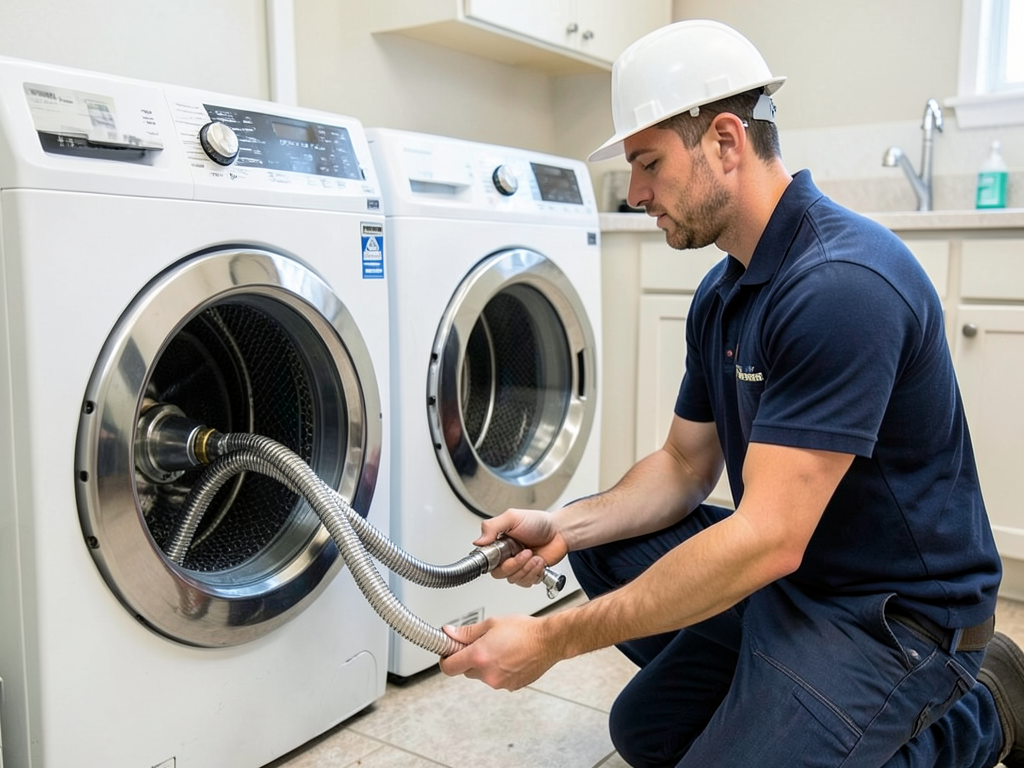
Replacing washing machine hoses requires basic tools and about 30 minutes. Following proper procedure ensures leak-free connections and maximum hose life.
- Turn off water supply
Locate the hot and cold shut-off valves behind the washing machine. Turn both valves clockwise until fully closed. Verify shut-off by attempting to run a small amount of water from the machine.
- Disconnect power and hoses
Unplug the washing machine from electrical outlet. Use channel-lock pliers to loosen hose connections at both the machine and wall valves. Have a bucket ready to catch residual water.
- Remove old hoses
Once loose, carefully remove hoses from both ends. Inspect the valve threads for damage or corrosion. Clean any mineral deposits with a wire brush.
- Install new hoses
Hand-tighten new hoses onto machine inlets and wall valves. Use pliers to give each connection an additional quarter-turn. Do not overtighten as this can damage threads.
- Test for leaks
Turn water supply back on slowly. Check all connections for leaks while the machine is off. Then run a short wash cycle and inspect again during operation.
Proper thread sealing ensures leak-free operation. Use new rubber washers with each hose installation. These washers compress to create watertight seals. Overtightening can damage washers and cause leaks.
Route hoses to avoid kinks and sharp bends. Hoses should have gentle curves rather than tight angles. Kinks restrict water flow and create weak points where failure is likely to occur.
Leave adequate space behind the washing machine for hose movement. As the machine operates, slight movement occurs. Hoses need room to flex without rubbing against walls or other surfaces.
Label replacement dates on new hoses using a permanent marker. This helps track replacement intervals. Set calendar reminders for the recommended replacement timeframe based on your hose material.
Professional inspection criteria
Certain conditions warrant professional plumbing inspection rather than DIY repair. Recognizing these situations prevents incomplete fixes and potential code violations.
Visible corrosion on supply valves indicates internal deterioration. A plumber can assess whether valves need replacement or if the entire supply line requires upgrading. Corroded valves often fail during hose replacement attempts.
Galvanized steel supply pipes in older Otay Mesa homes present unique challenges. These pipes can have internal corrosion that restricts flow or creates weak points. A professional can determine if replacement with modern materials is necessary.
Pressure-reducing valve installation requires proper sizing and adjustment. Incorrect installation can cause water hammer, pressure fluctuations, or complete water shut-off. Licensed plumbers ensure proper function and code compliance.
Multi-story homes with laundry rooms on upper floors need special consideration. Water pressure increases with elevation, potentially exceeding safe levels at higher floors. A professional can design a system that maintains proper pressure throughout the home.
Commercial properties or homes with multiple washing machines require professional design. These installations must account for simultaneous usage, pressure balancing, and code requirements that exceed residential standards.
Insurance companies may require professional installation for coverage eligibility. Some policies exclude water damage from DIY plumbing work. Professional installation provides documentation for insurance claims if future problems occur.
Insurance and liability considerations
Understanding insurance coverage helps you make informed decisions about prevention investments. Many homeowners discover coverage gaps only after filing claims. Why La Jolla Homeowners are Switching to Tankless Water Heaters This Year.
Standard homeowners insurance typically covers sudden and accidental water damage. However, damage from lack of maintenance or wear and tear often falls outside coverage. Insurance companies may deny claims if they determine hoses were past their useful life.
Some insurance providers offer premium discounts for installing flood prevention devices. Automatic shut-off valves, leak detection systems, and upgraded hoses may qualify for these discounts. The savings can offset prevention costs over time.
Documentation proves valuable during insurance claims. Keep receipts for hose replacements, professional inspections, and installed prevention devices. Photos showing the age and condition of plumbing components support claims of proper maintenance.
Rental properties face additional liability considerations. Landlords must maintain plumbing systems in safe working condition. Installing quality hoses and prevention devices protects both property and liability exposure.
Condominium associations often have specific requirements for in-unit plumbing. Some associations mandate particular hose types or installation methods. Check association rules before making changes to avoid violations.
Water damage frequently affects neighboring units in multi-family buildings. If your failure causes damage to others, you may face liability beyond your own property damage. Prevention investments protect against these potential costs.
Cost analysis: prevention vs. restoration
Comparing prevention costs against potential restoration expenses reveals the financial wisdom of proactive measures.
Basic hose replacement with quality stainless steel braided hoses costs $50-80 for materials. Professional installation adds $75-150 depending on complexity. This one-time investment provides 10+ years of protection.
Automatic shut-off valves range from $100-300 for the device plus installation. These systems can prevent thousands in damage by stopping water flow immediately when leaks occur.
Water damage restoration from a major washing machine flood typically costs $3,000-8,000. This includes water extraction, drying equipment, damaged material removal, and initial cleanup. Costs escalate if mold develops.
Full restoration including structural repairs, flooring replacement, and repainting can exceed $15,000. Second-floor laundry room failures often damage ceilings and walls below, multiplying restoration costs.
Insurance deductibles usually range from $500-2,000. Even with insurance coverage, you bear this amount plus any costs exceeding policy limits. Prevention investments cost far less than these potential out-of-pocket expenses.
Business interruption represents an often-overlooked cost. If your home becomes uninhabitable during restoration, temporary housing adds daily expenses that compound quickly. Prevention keeps your household functioning normally.
Maintenance schedule for long-term protection
Consistent maintenance extends the life of your plumbing components and ensures continued protection against floods.
Monthly visual inspections take five minutes and can identify developing problems early. Check hose connections for moisture, inspect for bulging or cracking, and verify that no objects restrict hose movement behind the machine.
Quarterly testing of shut-off valves ensures they operate smoothly. Turn valves fully off and on to verify they move freely. Stuck valves during emergencies can worsen flood damage by preventing quick water shut-off.
Annual professional plumbing inspections catch issues that homeowners might miss. Plumbers can test water pressure, inspect valve function, and assess overall system condition. These inspections often identify problems before they cause damage.
Replace hoses every five years regardless of visible condition. Rubber degrades internally even when external appearance seems fine. Scheduled replacement prevents the most common failure mode.
Test battery-powered leak detectors twice yearly. Replace batteries annually even if they test fine. Non-functioning detectors provide false security and fail when needed most.
Review insurance coverage annually to ensure adequate protection. Update documentation of plumbing improvements and prevention measures. Some insurance companies require periodic updates to maintain coverage terms.
Frequently Asked Questions
How often should I replace washing machine hoses?
Replace standard rubber hoses every 3-5 years. Stainless steel braided hoses last 10+ years but should be inspected annually. Replace any hose showing bulging, cracking, or corrosion immediately regardless of age.
Can I install flood prevention devices myself?
Basic leak detectors install easily with adhesive mounting. Automatic shut-off valves require cutting into supply lines and may need permits. Check local codes and consider professional installation for devices that affect your home’s water supply.
What water pressure is safe for washing machine hoses?
Most washing machine hoses are rated for 80-100 PSI maximum. However, optimal operating pressure is 50-70 PSI. Higher pressure shortens hose life and increases failure risk. Install a pressure-reducing valve if your home exceeds 80 PSI.
Will flood prevention devices affect my washing machine’s performance?
Quality prevention devices maintain proper water flow and pressure. Automatic shut-off valves may add slight delay to fill cycles. If you notice performance issues after installation, the device may be improperly adjusted or faulty and needs professional evaluation.
Does homeowners insurance cover washing machine hose failures?
Most policies cover sudden and accidental discharge from plumbing systems, including hose failures. However, damage from lack of maintenance or wear may be excluded. Some insurers require professional installation of prevention devices for coverage eligibility.
Don’t wait for a flood to take action. The combination of Otay Mesa’s high water pressure and hard water creates conditions where washing machine hoses can fail without warning. A small investment in quality hoses and prevention devices now can save you thousands in water damage repairs later.
Professional plumbers can assess your specific situation and recommend the right protection level for your home. Whether you need simple hose replacement or a complete flood prevention system, getting expert advice ensures your solution addresses the actual risks your Otay Mesa home faces.
Call (619) 304-5400 today to schedule your washing machine hose inspection and protect your home from costly water damage. Our experienced team understands the unique plumbing challenges in Otay Mesa and can recommend the right solutions for your specific situation.
{
“@context”: “https://schema.org”,
“@type”: “BlogPosting”,
“headline”: “Preventing a massive flood from your Otay Mesa laundry room pipes”,
“description”: “Protect your Otay Mesa home from costly water damage. Learn how high water pressure and hard water affect washing machine hoses and what you can do about it.”,
“wordCount”: 2725,
“datePublished”: “2026-03-28T16:58:00.000Z”,
“dateModified”: “2026-03-28T16:58:00.000Z”,
“inLanguage”: “en-US”,
“mainEntityOfPage”: {
“@type”: “WebPage”,
“@id”: “https://aceplumbingsandiego.com”
},
“publisher”: {
“@type”: “LocalBusiness”,
“name”: “Ace Plumbing San Diego”,
“url”: “https://aceplumbingsandiego.com”
},
“author”: {
“@type”: “Organization”,
“name”: “Ace Plumbing San Diego”,
“url”: “https://aceplumbingsandiego.com”
},
“image”: {
“@type”: “ImageObject”,
“url”: “https://aceplumbingsandiego.com/wp-content/uploads/2026/03/preventing-a-massive-flood-from-your-otay-mesa-lau-1.png”
}
}
{
“@context”: “https://schema.org”,
“@type”: “Plumber”,
“name”: “Ace Plumbing San Diego”,
“url”: “https://aceplumbingsandiego.com”,
“address”: {
“@type”: “PostalAddress”,
“addressLocality”: “San Diego”
},
“areaServed”: {
“@type”: “City”,
“name”: “San Diego”
}
}
{
“@context”: “https://schema.org”,
“@type”: “FAQPage”,
“mainEntity”: [
{
“@type”: “Question”,
“name”: “How often should I replace washing machine hoses?”,
“acceptedAnswer”: {
“@type”: “Answer”,
“text”: “Replace standard rubber hoses every 3-5 years. Stainless steel braided hoses last 10+ years but should be inspected annually. Replace any hose showing bulging, cracking, or corrosion immediately regardless of age.”
}
},
{
“@type”: “Question”,
“name”: “Can I install flood prevention devices myself?”,
“acceptedAnswer”: {
“@type”: “Answer”,
“text”: “Basic leak detectors install easily with adhesive mounting. Automatic shut-off valves require cutting into supply lines and may need permits. Check local codes and consider professional installation for devices that affect your home’s water supply.”
}
},
{
“@type”: “Question”,
“name”: “What water pressure is safe for washing machine hoses?”,
“acceptedAnswer”: {
“@type”: “Answer”,
“text”: “Most washing machine hoses are rated for 80-100 PSI maximum. However, optimal operating pressure is 50-70 PSI. Higher pressure shortens hose life and increases failure risk. Install a pressure-reducing valve if your home exceeds 80 PSI.”
}
},
{
“@type”: “Question”,
“name”: “Will flood prevention devices affect my washing machine’s performance?”,
“acceptedAnswer”: {
“@type”: “Answer”,
“text”: “Quality prevention devices maintain proper water flow and pressure. Automatic shut-off valves may add slight delay to fill cycles. If you notice performance issues after installation, the device may be improperly adjusted or faulty and needs professional evaluation.”
}
},
{
“@type”: “Question”,
“name”: “Does homeowners insurance cover washing machine hose failures?”,
“acceptedAnswer”: {
“@type”: “Answer”,
“text”: “Most policies cover sudden and accidental discharge from plumbing systems, including hose failures. However, damage from lack of maintenance or wear may be excluded. Some insurers require professional installation of prevention devices for coverage eligibility.”
}
}
]
}
{
“@context”: “https://schema.org”,
“@type”: “HowTo”,
“name”: “How to Replace Washing Machine Hoses”,
“step”: [
{
“@type”: “HowToStep”,
“position”: 1,
“name”: “Turn off water supply”,
“text”: “Locate the hot and cold shut-off valves behind the washing machine. Turn both valves clockwise until fully closed. Verify shut-off by attempting to run a small amount of water from the machine.”
},
{
“@type”: “HowToStep”,
“position”: 2,
“name”: “Disconnect power and hoses”,
“text”: “Unplug the washing machine from electrical outlet. Use channel-lock pliers to loosen hose connections at both the machine and wall valves. Have a bucket ready to catch residual water.”
},
{
“@type”: “HowToStep”,
“position”: 3,
“name”: “Remove old hoses”,
“text”: “Once loose, carefully remove hoses from both ends. Inspect the valve threads for damage or corrosion. Clean any mineral deposits with a wire brush.”
},
{
“@type”: “HowToStep”,
“position”: 4,
“name”: “Install new hoses”,
“text”: “Hand-tighten new hoses onto machine inlets and wall valves. Use pliers to give each connection an additional quarter-turn. Do not overtighten as this can damage threads.”
},
{
“@type”: “HowToStep”,
“position”: 5,
“name”: “Test for leaks”,
“text”: “Turn water supply back on slowly. Check all connections for leaks while the machine is off. Then run a short wash cycle and inspect again during operation.”
}
],
“image”: “https://aceplumbingsandiego.com/wp-content/uploads/2026/03/preventing-a-massive-flood-from-your-otay-mesa-lau-1.png”
}
{
“@context”: “https://schema.org”,
“@type”: “BreadcrumbList”,
“itemListElement”: [
{
“@type”: “ListItem”,
“position”: 1,
“name”: “Home”,
“item”: “https://aceplumbingsandiego.com”
},
{
“@type”: “ListItem”,
“position”: 2,
“name”: “Blog”,
“item”: “https://aceplumbingsandiego.com/blog”
},
{
“@type”: “ListItem”,
“position”: 3,
“name”: “Preventing a massive flood from your Otay Mesa laundry room pipes”
}
]
}
{
“@context”: “https://schema.org”,
“@type”: “Service”,
“serviceType”: “Plumbing”,
“provider”: {
“@type”: “LocalBusiness”,
“name”: “Ace Plumbing San Diego”,
“url”: “https://aceplumbingsandiego.com”
},
“areaServed”: {
“@type”: “City”,
“name”: “San Diego”
},
“description”: “Protect your Otay Mesa home from costly water damage. Learn how high water pressure and hard water affect washing machine hoses and what you can do about it.”
}