
Moving your laundry room to the second floor of your Rolando home safely
Relocating a laundry room from the garage to an upstairs closet in a Rolando home requires careful planning to meet San Diego building codes and protect your home from water damage. The 92115 area features many mid-century ranch homes with slab foundations, which means any second-floor plumbing work must account for structural integrity and proper drainage slope. This guide walks you through the permit process, technical requirements, and why hiring a licensed local plumber ensures your project stays dry and code-compliant. San Diego Development Services Department.
Understanding Rolando’s unique plumbing challenges
Rolando sits on expansive clay soil that shifts with moisture changes, a condition that can stress underground pipes and create slab leaks over time. Many homes along University Avenue and near Rolando Park were built in the 1950s with original galvanized supply lines that corrode internally, reducing water pressure and risking sudden bursts. When moving laundry upstairs, you’re not just extending pipes—you’re potentially exposing aging infrastructure to new stress points. A licensed plumber will inspect your existing system for signs of corrosion, mineral buildup, or previous repairs before any work begins. How to Deal with a Slab Leak in Your Point Loma Home Without Destroying Your Floors.
San Diego Development Services Department permit requirements
Moving laundry plumbing to a second floor in San Diego requires a permit through the Development Services Department, even for interior-only changes. The permit ensures your new drain-waste-vent (DWV) system meets California Plumbing Code Chapter 4 requirements, including proper P-trap installation and minimum 2-inch drain line diameter for washing machines. Permit fees in 2026 average $350-$450 depending on project scope, and inspections occur at rough-in and final stages. Skipping permits can result in fines up to $1,000 and complicate future home sales. California Code of Regulations Title 8, Section 763.
Drainage and venting: The technical backbone
Second-floor laundry drainage must maintain a minimum 1/4-inch-per-foot slope toward the main stack to prevent standing water and clogs. The standpipe—the vertical pipe behind the washer—must extend 18-30 inches above the trap weir to prevent overflow during pump discharge. Vent pipes need to extend through the roof to maintain atmospheric pressure and prevent sewer gases from entering your home. In Rolando’s older homes, existing vent stacks may need reinforcement or rerouting to accommodate the new fixture load without creating negative pressure in the system. Dealing with Hard Water in Oceanside with a Professional Softener System.
Water supply line considerations
Extending hot and cold water lines to a second-floor laundry closet typically involves running 1/2-inch PEX or copper through interior walls or ceiling cavities. PEX offers flexibility around obstacles and resists scale buildup common in San Diego’s hard water, while copper provides durability and is required within 6 feet of gas appliances. A licensed plumber will calculate proper pipe sizing to maintain adequate pressure at the new fixture, accounting for the vertical lift and any simultaneous fixture use elsewhere in the home.
Gas line relocation for gas dryers
If your laundry setup includes a gas dryer, the gas line must be extended or relocated by a licensed plumber with a restricted gas fitter endorsement. San Diego Gas & Electric requires all gas work to comply with California Code of Regulations Title 8, Section 763, which mandates proper pipe support, leak testing, and pressure ratings. Gas lines cannot share wall cavities with electrical wiring, and shut-off valves must be accessible within 6 feet of the appliance. A pressure test ensures no leaks exist before final connection.
Structural and moisture protection measures
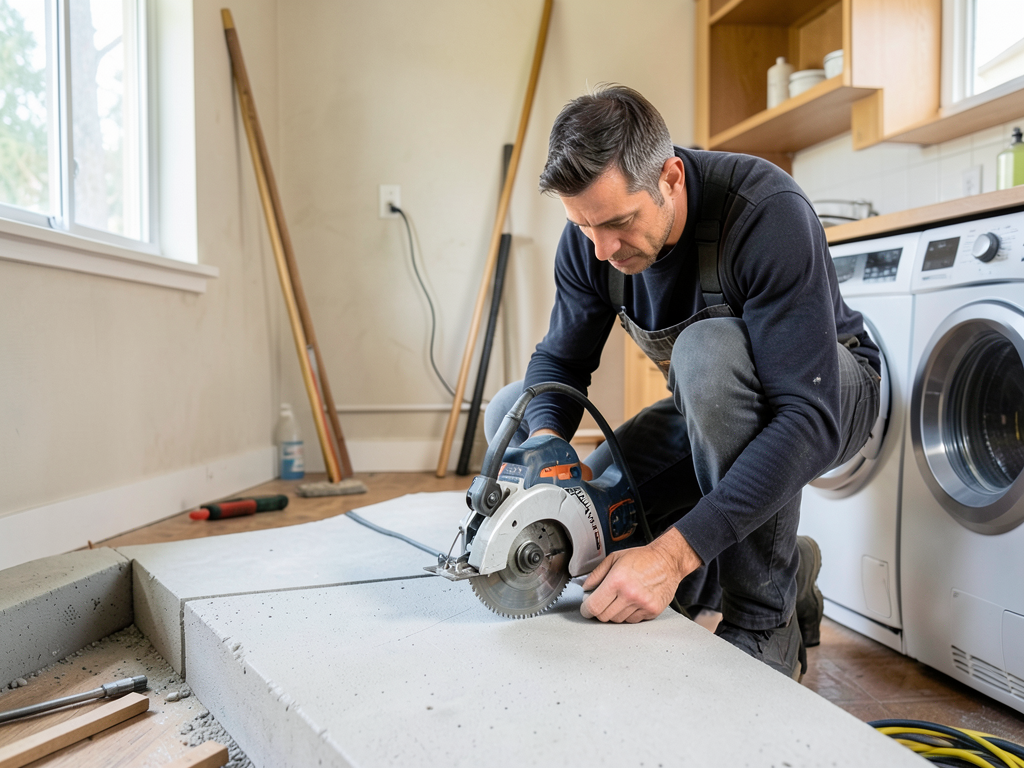
Installing laundry plumbing on a second floor demands moisture barriers and overflow pans to protect ceilings below. A drain pan with a 1.5-inch P-trap must be installed under the washer and connected to the drain system to catch leaks or hose failures. In slab homes, plumbers may need to cut through concrete to route new pipes, requiring diamond-blade saws and dust control measures. All penetrations through floors or walls must be sealed with fire-rated caulk to maintain building integrity.
Timeline and process for a second-floor laundry move
- Initial Inspection and Planning
Technician evaluates existing plumbing, gas lines, and structural access points. Permits are pulled before any work begins.
- Demolition and Rough-In
Cut access points in walls or ceilings, remove flooring if slab work is needed, and install new supply lines, drains, and vents.
- Gas Line Extension (if needed)
Install new black iron or CSST gas piping with proper supports and pressure testing.
- Fixture Installation
Mount recessed laundry box with hot/cold valves, install standpipe, and connect to drain system.
- Final Inspection and Testing
City inspector verifies compliance. Plumber tests all connections for leaks and proper operation.
Why Rolando homeowners trust local expertise
Rolando’s mix of mid-century ranches and 1940s bungalows means every home presents unique plumbing puzzles. A local plumber understands that University Avenue homes often have cast-iron sewer laterals nearing end-of-life, while El Cajon Boulevard properties may have unpermitted additions with questionable plumbing. We’ve seen firsthand how San Diego’s high water table near Chollas Creek can cause moisture issues in crawl spaces, and we know which neighborhoods require earthquake shut-off valves by code. This neighborhood-specific knowledge prevents costly mistakes and ensures your laundry relocation meets both safety standards and your home’s structural realities.
Cost factors specific to San Diego’s labor market
Labor rates for licensed plumbers in San Diego County average $120-$180 per hour in 2026, with second-floor work commanding the higher end due to ladder work and material transport. Concrete cutting adds $15-$25 per linear foot, while PEX installation runs $2-$4 per foot versus $4-$6 for copper. Permit fees, inspection costs, and materials for a complete second-floor laundry relocation typically range $3,500-$6,500 depending on whether gas work is needed and how much structural modification is required.
Common mistakes to avoid
DIY laundry relocations often fail due to improper drain slope, missing P-traps, or inadequate venting. A common error is installing a standpipe that’s too short, causing the washer’s pump to struggle and potentially flood the closet. Another frequent mistake is running supply lines through exterior walls without insulation, leading to frozen pipes in rare cold snaps or condensation that damages drywall. Always verify your contractor pulls permits—unpermitted work can void home insurance claims if water damage occurs.
Protecting your investment long-term
After your laundry room relocation, consider annual plumbing inspections to catch small issues before they become major problems. Check supply line connections every six months for signs of corrosion or moisture. Install water sensors in the laundry closet to provide early leak detection. If your home has a history of slab leaks, ask about whole-home pressure regulation to reduce stress on pipes. These preventive steps extend the life of your new plumbing and protect the investment you’ve made in improving your home’s functionality.
Ready to move your laundry upstairs?
Call (619) 304-5400 today to schedule your inspection. Our licensed plumbers understand Rolando’s unique housing stock and San Diego’s strict building codes. We’ll provide a detailed estimate, handle all permit requirements, and ensure your second-floor laundry installation is safe, code-compliant, and built to last. Don’t risk water damage or code violations—get it done right the first time with local experts who know the area inside and out.
Frequently Asked Questions
How long does a second-floor laundry relocation take?
Most projects require 2-3 days from start to finish, including permit waiting periods and inspections. Complex slab work or gas line relocation may extend to 4-5 days.
Will I need to move my dryer vent?
Yes, the dryer vent must be extended to maintain proper clearance from the new appliance location. This typically involves running rigid metal duct through walls or ceilings to an exterior exit point.
Can I keep my existing washer and dryer?
Most standard washers and dryers work fine after relocation, but check your washer’s maximum drain height rating. Some compact or European models have lower pump capacities that may struggle with second-floor installations.
What if my home has polybutylene pipes?
Polybutylene pipes require replacement rather than extension due to their failure history. A licensed plumber will identify this material during inspection and recommend appropriate repiping options.
{
“@context”: “https://schema.org”,
“@type”: “BlogPosting”,
“headline”: “Moving your laundry room to the second floor of your Rolando home safely”,
“description”: “Planning to relocate your laundry room upstairs in Rolando? Learn San Diego permit requirements, drainage codes, and how to avoid slab leaks in 92115 homes.”,
“wordCount”: 1356,
“datePublished”: “2026-04-19T08:12:00.000Z”,
“dateModified”: “2026-04-19T08:12:00.000Z”,
“inLanguage”: “en-US”,
“mainEntityOfPage”: {
“@type”: “WebPage”,
“@id”: “https://aceplumbingsandiego.com”
},
“publisher”: {
“@type”: “LocalBusiness”,
“name”: “Ace Plumbing San Diego”,
“url”: “https://aceplumbingsandiego.com”
},
“author”: {
“@type”: “Organization”,
“name”: “Ace Plumbing San Diego”,
“url”: “https://aceplumbingsandiego.com”
},
“image”: {
“@type”: “ImageObject”,
“url”: “https://aceplumbingsandiego.com/wp-content/uploads/2026/03/moving-your-laundry-room-to-the-second-floor-of-yo-1.png”
}
}
{
“@context”: “https://schema.org”,
“@type”: “Plumber”,
“name”: “Ace Plumbing San Diego”,
“url”: “https://aceplumbingsandiego.com”,
“address”: {
“@type”: “PostalAddress”,
“addressLocality”: “San Diego”
},
“areaServed”: {
“@type”: “City”,
“name”: “San Diego”
}
}
{
“@context”: “https://schema.org”,
“@type”: “FAQPage”,
“mainEntity”: [
{
“@type”: “Question”,
“name”: “Ready to move your laundry upstairs?”,
“acceptedAnswer”: {
“@type”: “Answer”,
“text”: “Call (619) 304-5400 today to schedule your inspection. Our licensed plumbers understand Rolando’s unique housing stock and San Diego’s strict building codes. We’ll provide a detailed estimate, handle all permit requirements, and ensure your second-floor laundry installation is safe, code-compliant, and built to last. Don’t risk water damage or code violations—get it done right the first time with local experts who know the area inside and out.”
}
},
{
“@type”: “Question”,
“name”: “How long does a second-floor laundry relocation take?”,
“acceptedAnswer”: {
“@type”: “Answer”,
“text”: “Most projects require 2-3 days from start to finish, including permit waiting periods and inspections. Complex slab work or gas line relocation may extend to 4-5 days.”
}
},
{
“@type”: “Question”,
“name”: “Will I need to move my dryer vent?”,
“acceptedAnswer”: {
“@type”: “Answer”,
“text”: “Yes, the dryer vent must be extended to maintain proper clearance from the new appliance location. This typically involves running rigid metal duct through walls or ceilings to an exterior exit point.”
}
},
{
“@type”: “Question”,
“name”: “Can I keep my existing washer and dryer?”,
“acceptedAnswer”: {
“@type”: “Answer”,
“text”: “Most standard washers and dryers work fine after relocation, but check your washer’s maximum drain height rating. Some compact or European models have lower pump capacities that may struggle with second-floor installations.”
}
},
{
“@type”: “Question”,
“name”: “What if my home has polybutylene pipes?”,
“acceptedAnswer”: {
“@type”: “Answer”,
“text”: “Polybutylene pipes require replacement rather than extension due to their failure history. A licensed plumber will identify this material during inspection and recommend appropriate repiping options.”
}
}
]
}
{
“@context”: “https://schema.org”,
“@type”: “HowTo”,
“name”: “Laundry Room Relocation Process”,
“step”: [
{
“@type”: “HowToStep”,
“position”: 1,
“name”: “Initial Inspection and Planning”,
“text”: “Technician evaluates existing plumbing, gas lines, and structural access points. Permits are pulled before any work begins.”
},
{
“@type”: “HowToStep”,
“position”: 2,
“name”: “Demolition and Rough-In”,
“text”: “Cut access points in walls or ceilings, remove flooring if slab work is needed, and install new supply lines, drains, and vents.”
},
{
“@type”: “HowToStep”,
“position”: 3,
“name”: “Gas Line Extension (if needed)”,
“text”: “Install new black iron or CSST gas piping with proper supports and pressure testing.”
},
{
“@type”: “HowToStep”,
“position”: 4,
“name”: “Fixture Installation”,
“text”: “Mount recessed laundry box with hot/cold valves, install standpipe, and connect to drain system.”
},
{
“@type”: “HowToStep”,
“position”: 5,
“name”: “Final Inspection and Testing”,
“text”: “City inspector verifies compliance. Plumber tests all connections for leaks and proper operation.”
}
],
“image”: “https://aceplumbingsandiego.com/wp-content/uploads/2026/03/moving-your-laundry-room-to-the-second-floor-of-yo-1.png”
}
{
“@context”: “https://schema.org”,
“@type”: “BreadcrumbList”,
“itemListElement”: [
{
“@type”: “ListItem”,
“position”: 1,
“name”: “Home”,
“item”: “https://aceplumbingsandiego.com”
},
{
“@type”: “ListItem”,
“position”: 2,
“name”: “Blog”,
“item”: “https://aceplumbingsandiego.com/blog”
},
{
“@type”: “ListItem”,
“position”: 3,
“name”: “Moving your laundry room to the second floor of your Rolando home safely”
}
]
}
{
“@context”: “https://schema.org”,
“@type”: “Service”,
“serviceType”: “Plumbing”,
“provider”: {
“@type”: “LocalBusiness”,
“name”: “Ace Plumbing San Diego”,
“url”: “https://aceplumbingsandiego.com”
},
“areaServed”: {
“@type”: “City”,
“name”: “San Diego”
},
“description”: “Planning to relocate your laundry room upstairs in Rolando? Learn San Diego permit requirements, drainage codes, and how to avoid slab leaks in 92115 homes.”
}