
Hidden Dangers of Improper Water Heater Venting in Your Lincoln Park Home
Living in Lincoln Park means enjoying beautiful historic homes with character, but that character often comes with aging plumbing systems that can create serious safety hazards. One of the most overlooked dangers in your home is improper water heater venting, which can silently release deadly carbon monoxide into your living space. Every year in San Diego County, emergency rooms treat dozens of cases of carbon monoxide poisoning, many linked to faulty water heater installations in older homes like those found throughout Lincoln Park. San Diego Municipal Code requirements.
The problem is invisible and odorless, but the consequences are real. A properly functioning water heater should vent all combustion gases safely outside your home through a dedicated flue system. When that system fails due to age, corrosion, or improper installation, those gases can backdraft into your home instead. This is especially concerning in Lincoln Park where many homes were built before modern venting standards were established, and where the coastal climate accelerates pipe corrosion. Dealing with Hard Water in Oceanside with a Professional Softener System.
How Your Water Heater Should Vent Safely
A correctly installed gas water heater creates a natural draft that pulls combustion gases up and out through the vent pipe. This process relies on several critical components working together: the draft hood, vent pipe, and proper termination above your roof. In Lincoln Park homes, we often find vent pipes that are too short, have improper slopes, or terminate too close to roof vents that can pull gases back down.
The vent pipe material matters too. Modern installations use Type B double-wall vent pipe that can withstand high temperatures and resist corrosion. Many Lincoln Park homes still have single-wall galvanized pipes that rust from the inside out, creating dangerous blockages over time. The coastal salt air in San Diego accelerates this corrosion, making regular inspections even more critical for your family’s safety.. Read more about Making Sure Your South Hills Water Heater is Earthquake Strapped Correctly.
Warning Signs Your Water Heater Venting is Failing
Your water heater often gives warning signs before a complete failure occurs. Learning to recognize these symptoms could save your family from carbon monoxide exposure. One of the most common signs is moisture condensation on windows near the water heater. This indicates that combustion gases are cooling and condensing inside your home instead of venting properly outside.
Another red flag is soot or rust streaks around the draft hood or on top of the water heater. This dark residue means combustion isn’t complete and gases aren’t drafting correctly. You might also notice a yellow or orange flame instead of a crisp blue flame in the burner chamber. A healthy gas flame should burn blue with a slight yellow tip, indicating complete combustion and proper air-to-gas mixture.
Strange noises can also signal venting problems. If you hear popping, rumbling, or whistling sounds from your water heater, sediment buildup might be causing overheating, which can warp the heat exchanger and create dangerous pressure situations. These sounds often indicate that your water heater is working harder than it should, potentially leading to venting failures.
The Silent Killer: Carbon Monoxide Risks
Carbon monoxide is called the silent killer because it’s colorless, odorless, and tasteless. When your water heater vents improperly, CO can accumulate in your home without any warning signs until symptoms appear. These symptoms often mimic the flu: headaches, dizziness, nausea, and fatigue. The danger is that these symptoms can be mistaken for other illnesses, causing people to stay in the affected area longer. How to Deal with a Slab Leak in Your Point Loma Home Without Destroying Your Floors.
Children, elderly family members, and people with respiratory conditions are especially vulnerable to CO poisoning. In severe cases, carbon monoxide exposure can cause confusion, chest pain, and even death. The risk is particularly high during winter months when windows stay closed and gas appliances run more frequently. Lincoln Park’s older homes often have less airtight construction, which might seem safer but can actually allow CO to spread more quickly through wall cavities and into living spaces.
California law requires carbon monoxide detectors in all homes, but many Lincoln Park residents don’t realize their water heater could be the source of the danger. A detector near your bedrooms will alert you to dangerous CO levels, but it won’t fix the underlying venting problem. That’s why professional inspection is essential for protecting your family.
Common Venting Problems in Lincoln Park Homes
Lincoln Park’s unique combination of historic architecture and coastal climate creates specific venting challenges. Many homes in the area were built between the 1920s and 1950s when building codes were less stringent about combustion air requirements and vent pipe materials. These older systems often lack the safety features required by today’s California Building Standards Code.
Another common issue is inadequate combustion air supply. Modern homes are built tighter for energy efficiency, but many Lincoln Park homes have water heaters installed in small closets or utility rooms without proper makeup air. When there isn’t enough fresh air available, the water heater can create negative pressure that pulls exhaust gases back into the home instead of venting them outside.
The San Diego coastal environment also plays a role. Salt air accelerates corrosion of metal vent pipes, especially those exposed on rooftops or in attics. We frequently find vent pipes in Lincoln Park homes that look fine from the outside but are severely corroded inside, creating blockages that prevent proper drafting. This corrosion can happen much faster than in inland areas due to the constant salt exposure.
California Code Requirements for Safe Venting
California’s Title 24 energy efficiency standards and local San Diego building codes specify strict requirements for water heater venting to prevent carbon monoxide poisoning. The California Mechanical Code requires that all gas water heaters have proper Category I venting for atmospheric draft appliances, with specific requirements for pipe diameter, slope, and termination height above the roof.
For Lincoln Park homes, the San Diego Municipal Code adds additional requirements based on our seismic zone. Water heaters must be properly strapped to prevent tipping during earthquakes, which could break gas lines and create immediate hazards. The code also requires that vent pipes be supported every four feet and that they maintain a minimum upward slope of 1/4 inch per foot toward the termination point.
California Senate Bill 183, the Carbon Monoxide Poisoning Prevention Act, mandates CO detectors in all single-family homes. For Lincoln Park residents, this means having working detectors installed outside each sleeping area and on every level of your home. These detectors must be UL 2034 listed and have battery backup if they’re hardwired to your electrical system.
Professional Inspection and Maintenance
Annual professional inspections are the best defense against water heater venting failures. A qualified plumber will check for proper draft, inspect vent pipe integrity, test the thermocouple and gas valve, and look for signs of corrosion or damage that could lead to CO leaks. This inspection should include checking the burner flame color and pattern, testing the temperature-pressure relief valve, and verifying that all safety devices are functioning correctly.
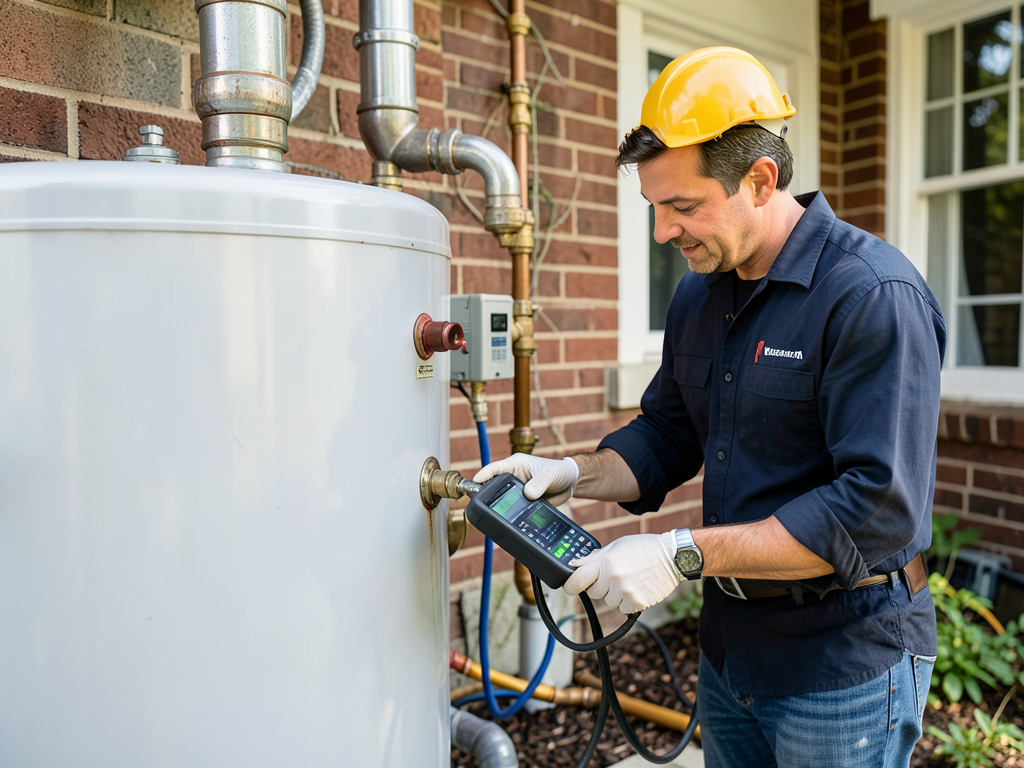
During an inspection, we use specialized tools to measure draft pressure and check for proper venting. A draft gauge can detect if gases are flowing up the vent pipe as they should, while a combustion analyzer can verify that your water heater is burning fuel efficiently without producing excess carbon monoxide. These diagnostic tests provide concrete data about your system’s safety that you can’t get from a visual inspection alone.
Maintenance also includes checking the seismic strapping on your water heater. In earthquake-prone San Diego, a tipped water heater can break the gas line, creating an immediate explosion hazard. The strapping must be properly sized for your water heater’s capacity and anchored to wall studs, not just drywall. This is a simple but critical safety measure that many Lincoln Park homeowners overlook. Why La Jolla Homeowners are Switching to Tankless Water Heaters This Year.
What to Do If You Suspect a Problem
If your carbon monoxide detector sounds, or if you notice any warning signs like soot around your water heater or strange odors, you need to act immediately. First, evacuate everyone from your home, including pets. Don’t try to find the source of the problem yourself – carbon monoxide can incapacitate you within minutes at high concentrations.
Once outside, call 911 and SDG&E at their emergency line. SDG&E has specialized equipment to detect gas leaks and carbon monoxide levels, and they can shut off your gas supply if needed. Don’t re-enter your home until emergency responders have declared it safe. Even if the alarm stops sounding, dangerous gases could still be present at levels that won’t trigger the alarm but can cause long-term health effects. Finding an Emergency Plumber in North Park Who Actually Picks Up the Phone.
After the emergency is resolved, you’ll need a licensed plumber to inspect your water heater and make any necessary repairs or replacements. This isn’t a DIY situation – improper repairs can create even more dangerous conditions. A professional will ensure your new installation meets all current California codes and includes proper venting, combustion air supply, and safety devices.
Prevention Through Proper Installation
The best way to prevent venting problems is to ensure your water heater is installed correctly from the start. This means following all California Building Standards Code requirements for vent pipe materials, sizing, and termination. For Lincoln Park homes, this often means upgrading from old single-wall pipe to modern Type B double-wall vent pipe that resists corrosion and maintains proper temperatures for drafting.
Proper installation also includes ensuring adequate combustion air supply. This might mean adding vents or louvers to utility closets, or installing a direct-vent water heater that draws combustion air from outside rather than from your living space. Direct-vent models are especially good for tight spaces common in Lincoln Park homes where traditional venting might be difficult.
The location of your water heater matters too. Garage installations are common in newer San Diego homes but less so in historic Lincoln Park. If your water heater is in a garage, it needs to be elevated 18 inches above the floor to prevent ignition of gasoline fumes, and the vent pipe must be properly supported to prevent vibration damage from garage door openers and other equipment.
Cost Factors for Venting Repairs
The cost of fixing venting problems varies widely depending on the extent of the repairs needed. Simple issues like replacing a corroded vent cap might cost a few hundred dollars, while complete vent pipe replacement in an attic or wall can run into the thousands. The key is that these repairs are investments in your family’s safety, not optional upgrades.
Several factors affect repair costs in Lincoln Park specifically. The age and construction of your home can make access difficult – repairing vent pipes in historic homes often requires careful work to preserve original architecture while meeting modern code requirements. The coastal climate means more frequent replacements may be needed compared to inland areas due to accelerated corrosion.
Insurance may cover some venting repairs if they’re related to other damage, but carbon monoxide issues are generally considered maintenance problems that homeowners are responsible for. However, many homeowners find that the cost of prevention is far less than the potential medical costs and liability of a CO incident. Some utility companies also offer rebates for upgrading to high-efficiency water heaters with better venting systems.
Modern Solutions for Older Homes
Today’s technology offers several solutions for the unique challenges of Lincoln Park’s older homes. Power-vent water heaters use a fan to force exhaust gases outside, eliminating the need for natural draft and making them less susceptible to backdrafting. These units can vent horizontally through a sidewall, which is useful when roof penetration isn’t practical or would damage historic architecture.
Another option is the sealed combustion water heater, which draws all combustion air from outside and vents exhaust directly outside through a coaxial pipe. This completely isolates the combustion process from your home’s air, eliminating any risk of backdrafting. These units are ideal for tight spaces and meet the strictest efficiency standards required by California’s Title 24.
For homes with severe venting challenges, a tankless water heater might be the best solution. These units vent through small, high-temperature plastic pipes that are resistant to corrosion and can often be routed more easily than traditional metal vent pipes. They also eliminate the standing pilot light found in older models, reducing the risk of gas leaks and improving overall efficiency.
Local Resources and Emergency Contacts
Living in Lincoln Park means having access to excellent emergency services, but you need to know who to call when you suspect a venting problem. For immediate gas leaks or carbon monoxide emergencies, call SDG&E at 1-800-411-7343. They have 24/7 emergency response teams that can detect gas leaks and CO levels and shut off your gas if needed.
For non-emergency concerns, the San Diego Fire-Rescue Department’s hazardous materials team can inspect your home for CO levels and provide safety recommendations. The County of San Diego also offers resources through their Emergency Medical Services, including information about CO poisoning symptoms and treatment.
Your local Ace Plumbing San Diego team understands the specific challenges of Lincoln Park homes and can provide comprehensive inspections and repairs that meet all local code requirements. We’re familiar with the historic architecture, coastal climate effects, and specific venting challenges that Lincoln Park homeowners face. Our technicians carry the proper diagnostic equipment and replacement parts to address most venting issues in a single visit.
Frequently Asked Questions
How often should I have my water heater inspected for venting problems?
Professional inspection should be done annually, preferably before the heating season when you’ll be using your water heater most. However, if you notice any warning signs like soot, strange odors, or condensation, call for an immediate inspection regardless of when your last check was done.
Can I install a carbon monoxide detector myself, or do I need a professional?
You can install basic battery-powered CO detectors yourself by following the manufacturer’s instructions. Place them outside sleeping areas and on every level of your home. However, hardwired detectors with battery backup should be installed by a licensed electrician to ensure proper operation and code compliance.
What’s the difference between a direct-vent and a power-vent water heater?
A direct-vent water heater uses a sealed combustion chamber and draws air from outside through one pipe while venting exhaust through a concentric pipe. A power-vent model uses an internal fan to push exhaust through a vent pipe but still draws combustion air from inside your home. Direct-vent units are more efficient and safer for tight spaces.
How long do water heater vent pipes typically last in San Diego’s coastal climate?
In San Diego’s coastal areas, vent pipes may need replacement every 10-15 years due to accelerated corrosion from salt air. Inland areas might see 20-25 year lifespans. Regular inspection can identify corrosion before it becomes a safety hazard, regardless of the pipe’s age.
Are tankless water heaters safer regarding carbon monoxide risks?
Tankless water heaters eliminate some risks like standing pilot lights and sediment buildup that can cause overheating, but they still produce combustion gases that must be properly vented. They use high-temperature plastic venting that resists corrosion, and their efficiency means less overall emissions, but proper installation is still critical for safety.
Take Action to Protect Your Family Today
Don’t wait for warning signs to appear before checking your water heater venting. The silent nature of carbon monoxide makes prevention your only real defense. A simple inspection could reveal problems that, if left unaddressed, could put your family at serious risk. Lincoln Park’s historic charm shouldn’t come at the cost of your family’s safety.
Call (619) 304-5400 today to schedule your comprehensive water heater safety inspection. Our experienced technicians will check your venting system, test for proper drafting, inspect all safety devices, and provide you with a detailed report of any issues found. We understand the specific challenges of Lincoln Park homes and can recommend solutions that preserve your home’s character while meeting modern safety standards.
Remember, carbon monoxide poisoning is preventable with proper maintenance and professional installation. The cost of an inspection is minimal compared to the peace of mind you’ll gain knowing your family is protected. Don’t let another day go by with potential safety hazards lurking in your home. Pick up the phone and call (619) 304-5400 now – your family’s safety is worth it.
Stay safe, Lincoln Park. We’re here to help you protect what matters most. For more information, visit CDC Carbon Monoxide FAQs.
{
“@context”: “https://schema.org”,
“@type”: “BlogPosting”,
“headline”: “Hidden Dangers of Improper Water Heater Venting in Your Lincoln Park Home”,
“description”: “Discover the hidden dangers of improper water heater venting in Lincoln Park homes. Learn how to protect your family from carbon monoxide risks with our expert safety guide.”,
“wordCount”: 2775,
“datePublished”: “2026-05-29T08:20:00.000Z”,
“dateModified”: “2026-05-29T08:20:00.000Z”,
“inLanguage”: “en-US”,
“mainEntityOfPage”: {
“@type”: “WebPage”,
“@id”: “https://aceplumbingsandiego.com”
},
“publisher”: {
“@type”: “LocalBusiness”,
“name”: “Ace Plumbing San Diego”,
“url”: “https://aceplumbingsandiego.com”
},
“author”: {
“@type”: “Organization”,
“name”: “Ace Plumbing San Diego”,
“url”: “https://aceplumbingsandiego.com”
},
“image”: {
“@type”: “ImageObject”,
“url”: “https://aceplumbingsandiego.com/wp-content/uploads/2026/03/hidden-dangers-of-improper-water-heater-venting-in-1.png”
}
}
{
“@context”: “https://schema.org”,
“@type”: “Plumber”,
“name”: “Ace Plumbing San Diego”,
“url”: “https://aceplumbingsandiego.com”,
“address”: {
“@type”: “PostalAddress”,
“addressLocality”: “San Diego”
},
“areaServed”: {
“@type”: “City”,
“name”: “San Diego”
}
}
{
“@context”: “https://schema.org”,
“@type”: “FAQPage”,
“mainEntity”: [
{
“@type”: “Question”,
“name”: “How often should I have my water heater inspected for venting problems?”,
“acceptedAnswer”: {
“@type”: “Answer”,
“text”: “Professional inspection should be done annually, preferably before the heating season when you’ll be using your water heater most. However, if you notice any warning signs like soot, strange odors, or condensation, call for an immediate inspection regardless of when your last check was done.”
}
},
{
“@type”: “Question”,
“name”: “Can I install a carbon monoxide detector myself, or do I need a professional?”,
“acceptedAnswer”: {
“@type”: “Answer”,
“text”: “You can install basic battery-powered CO detectors yourself by following the manufacturer’s instructions. Place them outside sleeping areas and on every level of your home. However, hardwired detectors with battery backup should be installed by a licensed electrician to ensure proper operation and code compliance.”
}
},
{
“@type”: “Question”,
“name”: “What’s the difference between a direct-vent and a power-vent water heater?”,
“acceptedAnswer”: {
“@type”: “Answer”,
“text”: “A direct-vent water heater uses a sealed combustion chamber and draws air from outside through one pipe while venting exhaust through a concentric pipe. A power-vent model uses an internal fan to push exhaust through a vent pipe but still draws combustion air from inside your home. Direct-vent units are more efficient and safer for tight spaces.”
}
},
{
“@type”: “Question”,
“name”: “How long do water heater vent pipes typically last in San Diego’s coastal climate?”,
“acceptedAnswer”: {
“@type”: “Answer”,
“text”: “In San Diego’s coastal areas, vent pipes may need replacement every 10-15 years due to accelerated corrosion from salt air. Inland areas might see 20-25 year lifespans. Regular inspection can identify corrosion before it becomes a safety hazard, regardless of the pipe’s age.”
}
},
{
“@type”: “Question”,
“name”: “Are tankless water heaters safer regarding carbon monoxide risks?”,
“acceptedAnswer”: {
“@type”: “Answer”,
“text”: “Tankless water heaters eliminate some risks like standing pilot lights and sediment buildup that can cause overheating, but they still produce combustion gases that must be properly vented. They use high-temperature plastic venting that resists corrosion, and their efficiency means less overall emissions, but proper installation is still critical for safety.”
}
}
]
}
{
“@context”: “https://schema.org”,
“@type”: “BreadcrumbList”,
“itemListElement”: [
{
“@type”: “ListItem”,
“position”: 1,
“name”: “Home”,
“item”: “https://aceplumbingsandiego.com”
},
{
“@type”: “ListItem”,
“position”: 2,
“name”: “Blog”,
“item”: “https://aceplumbingsandiego.com/blog”
},
{
“@type”: “ListItem”,
“position”: 3,
“name”: “Hidden Dangers of Improper Water Heater Venting in Your Lincoln Park Home”
}
]
}
{
“@context”: “https://schema.org”,
“@type”: “Service”,
“serviceType”: “Plumbing”,
“provider”: {
“@type”: “LocalBusiness”,
“name”: “Ace Plumbing San Diego”,
“url”: “https://aceplumbingsandiego.com”
},
“areaServed”: {
“@type”: “City”,
“name”: “San Diego”
},
“description”: “Discover the hidden dangers of improper water heater venting in Lincoln Park homes. Learn how to protect your family from carbon monoxide risks with our expert safety guide.”
}