
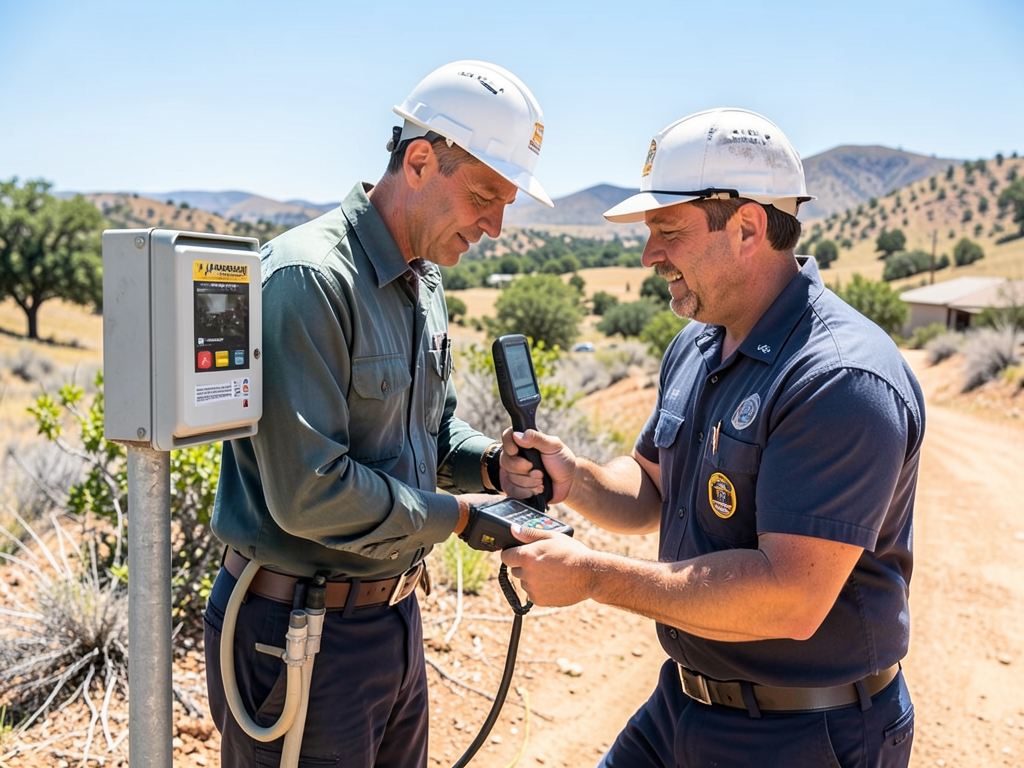
Why Your San Pasqual Valley Property Needs a Professional Well Pump Inspection
Living in San Pasqual Valley means relying on your own water source. When your well pump fails, you lose water instantly. That is why a professional inspection matters. It finds problems before they leave you without water. How to Deal with a Slab Leak in Your Point Loma Home Without Destroying Your Floors.
San Pasqual Valley sits in the San Dieguito River watershed with specific groundwater conditions. The area has pockets of hard water, high iron content, and sediment that can clog your pump. These conditions wear down your system faster than you might expect. Dealing with Hard Water in Oceanside with a Professional Softener System.
Professional inspections catch issues like worn bearings, failing pressure switches, and corroded wiring before they cause total failure. They also check your pressure tank for air loss and your well casing for leaks. This prevents the panic of waking up to no water on a hot summer morning.
Call (619) 304-5400 today to schedule your inspection. Do not wait until your pump stops working.
Common Well Pump Problems in San Pasqual Valley
San Pasqual Valley properties face unique challenges. The soil here is mostly decomposed granite with pockets of clay. This creates specific failure patterns for well systems.
Hard water is a major issue. San Diego County water often contains high levels of calcium and magnesium. These minerals build up inside your pump and pressure tank. Over time, they reduce water flow and efficiency.
Iron bacteria is another local problem. These microorganisms feed on iron in the water and create a slimy biofilm inside pipes and pumps. This reduces flow and can cause complete blockages.
Power surges from summer thunderstorms can damage pump control boxes. San Pasqual Valley experiences these storms seasonally. Without proper surge protection, your pump electronics can fail instantly.
Well casing corrosion happens faster here than in coastal areas. The mineral-rich groundwater accelerates metal degradation. A corroded casing can collapse, destroying your entire well system.. Read more about Managing Groundwater Seepage in Marina District Underground Parking and Basements.
What a Professional Inspection Includes
A thorough well pump inspection goes beyond checking if water flows. It examines every component that keeps your system running.
First, we test your pump’s electrical system. We check voltage, amperage, and ground resistance. Low voltage or high amperage indicates failing components. We also inspect control boxes for burned contacts or damaged capacitors.
Next, we measure your well’s static water level. This tells us if your aquifer is dropping. San Pasqual Valley has seen water table declines during drought years. Low static levels mean your pump works harder and wears out faster.
We test your pressure tank’s air charge. A tank with lost air cannot maintain proper pressure. This causes your pump to cycle on and off rapidly, wearing it out quickly.
We inspect your well head for proper sanitary seals. Cracked or missing seals let contaminants enter your water supply. This violates California well standards and creates health risks. California Water Boards.
We also check your pump’s performance. We measure gallons per minute flow rate and compare it to your pump’s specifications. Reduced flow indicates internal wear or blockages.
San Diego County Well Regulations You Must Follow
California Department of Water Resources regulates all wells in San Pasqual Valley. These rules protect groundwater and public health. EPA Ground Water Information.
Well construction must meet California Well Standards Bulletin 74-90. This requires specific casing depths, annular seal materials, and sanitary seals. Older wells may not meet current standards.
San Diego County requires permits for well drilling, deepening, or major repairs. The Department of Environmental Health & Quality reviews these permits. They ensure work meets state and local requirements.
Abandoned wells must be properly sealed. Unsealed wells create contamination pathways. They also pose safety hazards for people and animals.
Water quality testing is required when selling property with a well. Tests check for bacteria, nitrates, and other contaminants. Many lenders require these tests before approving mortgages.
California Water Code Section 13750 requires well owners to prevent waste and contamination. This means maintaining your system and reporting any spills or contamination.
Warning Signs Your Well Pump Needs Inspection
Watch for these signs that indicate pump problems. Early detection prevents costly failures.
Reduced water pressure is often the first sign. If your shower pressure drops or your garden hose flows weakly, your pump may be failing.
Strange noises from your well house indicate mechanical problems. Grinding, clicking, or humming sounds mean bearings are wearing out or electrical components are failing.
Water that looks cloudy or has sediment means your pump is pulling debris from the well bottom. This can damage your pump and clog your pipes.
Air spitting from faucets indicates a pressure tank problem. The tank may have lost its air charge or have a ruptured bladder.
High electric bills with no obvious cause often point to a failing pump. A pump working harder than normal uses more electricity.
Water that smells like rotten eggs indicates sulfur bacteria. This requires special treatment and pump cleaning.
Well Pump Types and Their Maintenance Needs
Different pump types need different care. Knowing your pump type helps you maintain it properly.
Submersible pumps are most common in San Pasqual Valley. These sit deep in the well and push water to the surface. They need regular electrical checks and occasional bearing replacement.
Jet pumps sit above ground and use suction to pull water. They are less efficient but easier to service. Their suction pipes can develop air leaks that reduce performance.
Constant pressure systems use variable frequency drives to maintain steady pressure. These are more complex but provide better performance. They need electronic diagnostics and drive maintenance.
Solar-powered pumps are growing in popularity. They need panel cleaning, battery checks, and occasional inverter replacement. They work well in San Pasqual Valley’s sunny climate.
Booster pumps add pressure to existing systems. They often fail from overheating or worn impellers. They need clean cooling vents and proper mounting.
Cost Factors for Well Pump Service in San Pasqual Valley
Several factors affect service costs in this area. Understanding these helps you budget properly.
Well depth significantly impacts cost. San Pasqual Valley wells range from 100 to 500 feet deep. Deeper wells need longer puller trucks and more labor.
Access difficulty matters. Narrow driveways or steep slopes increase labor time. Properties off Mussey Grade Road or near the San Dieguito River may have challenging access.
Parts availability affects repair time. Some well components require special ordering. San Diego County’s rural nature means longer wait times for certain parts.
Emergency service costs more. After-hours calls for no-water situations need immediate dispatch and overtime pay. Finding an Emergency Plumber in North Park Who Actually Picks Up the Phone.
Permit fees add to major work costs. San Diego County charges for well permits and inspections. These ensure work meets safety standards.
Water quality treatment adds costs. Hard water or iron bacteria may require filtration systems. These prevent future pump damage.
Preventative Maintenance Schedule
Regular maintenance prevents most well failures. Follow this schedule to protect your investment.
Annual inspections catch problems early. A professional checks electrical systems, pressure tanks, and well heads each year.
Every two years, test your water quality. This checks for bacteria, nitrates, and mineral content changes. It also verifies your treatment systems work properly.
Clean your pressure tank every five years. Sediment builds up inside and reduces capacity. Cleaning restores proper operation.
Replace your pressure switch every seven to ten years. These wear out from constant use. A failing switch causes pump cycling problems.
Flush your well every ten years. This removes sediment buildup at the bottom. It also clears iron bacteria colonies.
Replace submersible pumps every fifteen to twenty years. Even well-maintained pumps eventually wear out. Plan replacement before failure occurs.
Emergency Well Service Response
When your pump fails, you need fast help. San Pasqual Valley’s rural location means longer response times than urban areas.
Most well companies guarantee response within 24 hours for emergencies. Some offer 4-hour response for critical situations like medical needs or livestock watering.
Emergency calls cost more. After-hours service typically adds 50% to standard rates. Weekend calls may cost double.
Many companies carry common replacement parts on their trucks. This speeds repairs but does not guarantee immediate fixes for all problems.
Portable water delivery is available for extended outages. Companies can bring temporary tanks while you wait for repairs.
Backup generators help during power outages. Well pumps need electricity. A generator keeps your system running during blackouts.
Insurance may cover some emergency costs. Check your homeowner’s policy for well system coverage. Many policies exclude wells or have high deductibles.
Choosing a Well Service Company
Not all well companies are equal. Choose one with specific experience in San Pasqual Valley conditions.
Look for California C-57 well contractor license. This proves they meet state requirements for well work. General contractors cannot legally work on wells.
Check their experience with local geology. San Pasqual Valley’s decomposed granite and clay require specific techniques. Companies unfamiliar with these conditions may damage your well.
Ask about their equipment. Well pulling requires specialized trucks and tools. Companies without proper equipment may refuse difficult jobs or cause damage.
Verify their insurance coverage. Well work involves risks. The company should carry general liability and workers’ compensation insurance.
Read reviews from other San Pasqual Valley customers. Local reviews show how they handle rural service calls and difficult access situations.
Get written estimates for major work. Well repairs can be expensive. Written quotes prevent misunderstandings about costs.
Ask about warranties. Quality companies stand behind their work. Parts warranties typically last one year. Labor warranties may be shorter.
Water Quality Issues in San Pasqual Valley
Local water quality affects your pump and your health. Understanding these issues helps you maintain your system.
Hard water is common here. High calcium and magnesium levels cause scale buildup. This reduces pump efficiency and clogs pipes.
Iron content varies by location. Some areas have high iron levels that feed iron bacteria. These microorganisms create slimy deposits that reduce flow.
Nitrate levels occasionally exceed safe limits. This often comes from agricultural runoff or septic systems. High nitrates pose health risks, especially for infants.
pH levels affect corrosion rates. Acidic water corrodes metal components faster. Basic water can cause scale formation.
Turbidity indicates sediment in your water. High turbidity means your pump pulls debris from the well bottom. This damages pump impellers.
Treatment options include water softeners for hard water and iron filters for high iron levels. UV systems kill bacteria. Reverse osmosis removes nitrates and other contaminants.
Future Trends in Well Technology
Well technology continues to improve. New systems offer better efficiency and reliability.
Smart well monitors track system performance. These devices detect problems early and send alerts to your phone. They can predict failures before they occur.
Variable frequency drives are becoming standard. These adjust pump speed to match demand. They reduce energy use and extend pump life.
Solar integration is growing. Solar panels can power well pumps directly or charge batteries for backup power. This reduces electricity costs.
Water recycling systems are emerging. These capture gray water for irrigation. They reduce well demand and extend aquifer life.
Advanced materials resist corrosion better. New pump materials last longer in aggressive water conditions. This reduces replacement frequency.
Remote diagnostics allow technicians to troubleshoot without site visits. This speeds repairs and reduces costs. It also helps during emergencies.
Frequently Asked Questions
How often should I have my well pump inspected?
Annual inspections are recommended for most well systems. Properties with older pumps or known water quality issues may need twice-yearly checks.
What is the average lifespan of a well pump in San Pasqual Valley?
Submersible pumps typically last 15-20 years with proper maintenance. Harsh water conditions or heavy use can reduce this to 10-12 years.
Can I inspect my own well pump?
Basic visual checks are safe, but professional inspections are necessary. Well systems involve electrical hazards and require specialized tools for proper diagnosis.
How much does a well pump inspection cost?
Standard inspections typically cost $150-$300. Complex systems or difficult access may increase this cost. Emergency inspections cost more.
Protect Your Water Supply Today
Your well pump keeps your San Pasqual Valley property running. Do not wait for failure to act. A professional inspection today prevents emergency repairs tomorrow.
Well systems are complex. They involve electrical systems, water chemistry, and mechanical components. Only trained professionals should diagnose and repair them.
San Pasqual Valley’s unique conditions require specific expertise. Local companies understand the area’s geology, water quality, and access challenges.
Regular maintenance saves money. Small repairs cost far less than emergency replacements. They also prevent water outages that disrupt your life.
Call (619) 304-5400 today to schedule your well pump inspection. Our experienced technicians serve San Pasqual Valley and all of San Diego County’s rural areas.
Do not risk losing your water supply. Take action now to protect your property and your family’s water security.
You may also find this helpful. Replacing an aging yard hydrant on your large Alta Vista lot.
You may also find this helpful. Why Jamul Homeowners are Investing in Rainwater Harvesting Systems (And How to Start).
{
“@context”: “https://schema.org”,
“@type”: “BlogPosting”,
“headline”: “Why your San Pasqual Valley property needs a professional well pump inspection”,
“description”: “San Pasqual Valley well pump inspection reveals hidden issues before you lose water. Get expert service for rural San Diego properties.”,
“wordCount”: 2157,
“datePublished”: “2026-05-05T08:51:00.000Z”,
“dateModified”: “2026-05-05T08:51:00.000Z”,
“inLanguage”: “en-US”,
“mainEntityOfPage”: {
“@type”: “WebPage”,
“@id”: “https://aceplumbingsandiego.com”
},
“publisher”: {
“@type”: “LocalBusiness”,
“name”: “Ace Plumbing San Diego”,
“url”: “https://aceplumbingsandiego.com”
},
“author”: {
“@type”: “Organization”,
“name”: “Ace Plumbing San Diego”,
“url”: “https://aceplumbingsandiego.com”
},
“image”: {
“@type”: “ImageObject”,
“url”: “https://aceplumbingsandiego.com/wp-content/uploads/2026/03/why-your-san-pasqual-valley-property-needs-a-profe-1.png”
}
}
{
“@context”: “https://schema.org”,
“@type”: “Plumber”,
“name”: “Ace Plumbing San Diego”,
“url”: “https://aceplumbingsandiego.com”,
“address”: {
“@type”: “PostalAddress”,
“addressLocality”: “San Diego”
},
“areaServed”: {
“@type”: “City”,
“name”: “San Diego”
}
}
{
“@context”: “https://schema.org”,
“@type”: “FAQPage”,
“mainEntity”: [
{
“@type”: “Question”,
“name”: “How often should I have my well pump inspected?”,
“acceptedAnswer”: {
“@type”: “Answer”,
“text”: “Annual inspections are recommended for most well systems. Properties with older pumps or known water quality issues may need twice-yearly checks.”
}
},
{
“@type”: “Question”,
“name”: “What is the average lifespan of a well pump in San Pasqual Valley?”,
“acceptedAnswer”: {
“@type”: “Answer”,
“text”: “Submersible pumps typically last 15-20 years with proper maintenance. Harsh water conditions or heavy use can reduce this to 10-12 years.”
}
},
{
“@type”: “Question”,
“name”: “Can I inspect my own well pump?”,
“acceptedAnswer”: {
“@type”: “Answer”,
“text”: “Basic visual checks are safe, but professional inspections are necessary. Well systems involve electrical hazards and require specialized tools for proper diagnosis.”
}
},
{
“@type”: “Question”,
“name”: “How much does a well pump inspection cost?”,
“acceptedAnswer”: {
“@type”: “Answer”,
“text”: “Standard inspections typically cost $150-$300. Complex systems or difficult access may increase this cost. Emergency inspections cost more.”
}
}
]
}
{
“@context”: “https://schema.org”,
“@type”: “BreadcrumbList”,
“itemListElement”: [
{
“@type”: “ListItem”,
“position”: 1,
“name”: “Home”,
“item”: “https://aceplumbingsandiego.com”
},
{
“@type”: “ListItem”,
“position”: 2,
“name”: “Blog”,
“item”: “https://aceplumbingsandiego.com/blog”
},
{
“@type”: “ListItem”,
“position”: 3,
“name”: “Why your San Pasqual Valley property needs a professional well pump inspection”
}
]
}
{
“@context”: “https://schema.org”,
“@type”: “Service”,
“serviceType”: “Plumbing”,
“provider”: {
“@type”: “LocalBusiness”,
“name”: “Ace Plumbing San Diego”,
“url”: “https://aceplumbingsandiego.com”
},
“areaServed”: {
“@type”: “City”,
“name”: “San Diego”
},
“description”: “San Pasqual Valley well pump inspection reveals hidden issues before you lose water. Get expert service for rural San Diego properties.”
}