
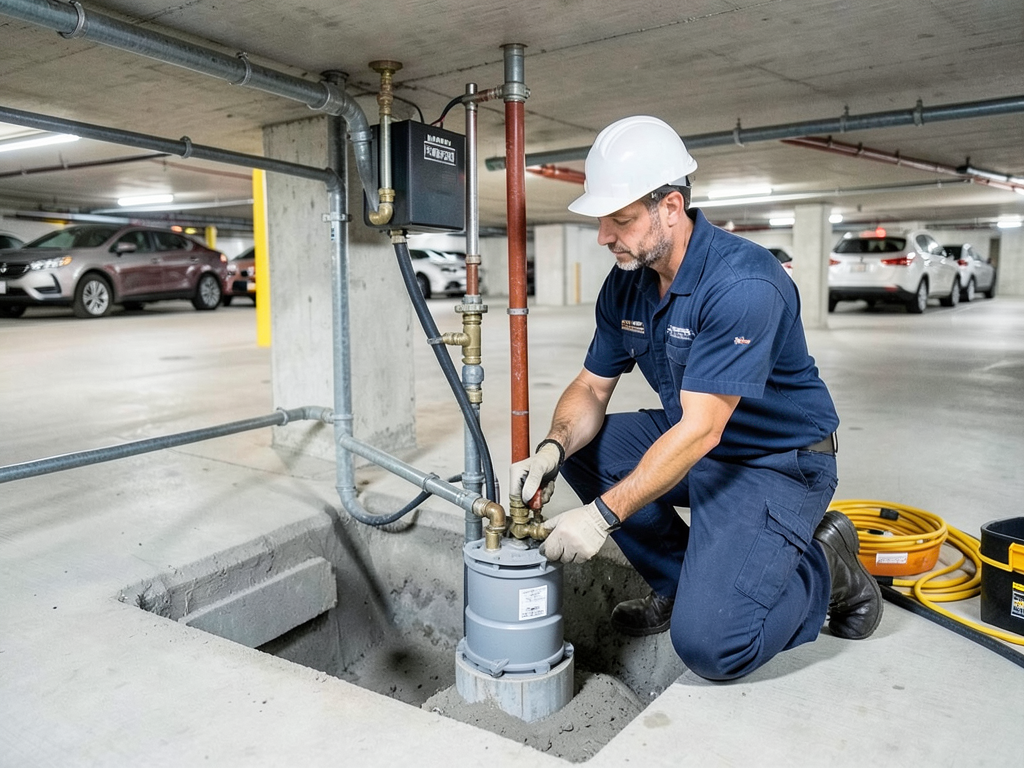
Managing Groundwater Seepage in Marina District Underground Parking and Basins
Groundwater seepage in Marina District underground parking structures and basements creates serious moisture problems that threaten building integrity and occupant safety. San Diego’s coastal location combined with the Marina District’s low elevation means water tables sit high year-round. This creates constant hydrostatic pressure against foundation walls and below-grade concrete slabs. San Diego Development Services.
Property managers and HOA boards face recurring flooding issues when heavy rains overwhelm existing drainage systems. The combination of tidal influences and stormwater runoff means water finds its way through even the smallest foundation cracks. Without proper management systems, these structures experience chronic moisture damage that leads to expensive repairs and potential structural failures. EPA Stormwater Management.
The good news is that effective groundwater management solutions exist. Modern waterproofing techniques and drainage systems can protect underground structures from water intrusion. Understanding the specific challenges of Marina District properties helps property owners make informed decisions about protecting their investments. Dealing with Hard Water in Oceanside with a Professional Softener System.
Understanding Marina District Groundwater Challenges
Marina District sits at or below sea level in many areas. This unique geography creates conditions where groundwater naturally rises to the surface. The combination of San Diego Bay proximity and coastal soil composition means water tables fluctuate with tides and seasonal rainfall patterns.
Local soil conditions compound these challenges. Marina District soil contains significant clay content that holds moisture and expands when wet. This expansive soil creates additional pressure on foundation walls and below-grade structures. When water-saturated clay freezes or expands, it exerts tremendous force that can crack concrete and compromise waterproofing membranes.
The area’s urban development has altered natural drainage patterns. Impervious surfaces like roads, parking lots, and buildings prevent rainwater from naturally percolating into the ground. This creates concentrated runoff that flows toward low-lying areas like underground parking structures.
Marina District experiences its highest rainfall during winter months when atmospheric rivers bring sustained precipitation. These weather patterns create conditions where groundwater levels rise rapidly and remain elevated for extended periods. Properties without adequate drainage systems face increased risk of water intrusion during these seasonal events. How to Deal with a Slab Leak in Your Point Loma Home Without Destroying Your Floors.
Common Signs of Groundwater Seepage
Property managers should watch for specific indicators that signal groundwater problems. Early detection allows for timely intervention before damage becomes severe. These signs appear in predictable patterns across Marina District properties.
Water stains on walls and floors represent the most obvious warning sign. These stains typically appear as dark patches or discoloration that grows larger after rainfall. The pattern often shows water entering at specific points where foundation walls meet the floor slab.
Efflorescence creates a white, powdery substance on concrete surfaces. This mineral deposit forms when water carries dissolved salts through concrete and leaves them behind as it evaporates. Efflorescence indicates ongoing moisture movement through foundation materials.
Musty odors signal active mold growth in damp areas. Underground parking structures provide ideal conditions for mold when moisture levels remain elevated. The combination of darkness, limited air circulation, and consistent moisture creates perfect breeding grounds for mold colonies.
Crack patterns in foundation walls reveal structural stress from hydrostatic pressure. Vertical cracks often indicate settling, while horizontal cracks suggest water pressure pushing against walls. Stair-step cracks in block walls show where mortar joints have failed under stress. Why Hydro Jetting is the Only Real Solution for Carlsbad Sewer Line Issues.
Standing water in parking areas after rainfall indicates drainage system failure. Water should flow toward drains and away from structures. When water pools in specific areas, it reveals problems with slope, drain function, or waterproofing integrity.. Read more about Stop Heavy Rains from Flooding Your Alpine Foundation with Proper Perimeter Drainage.
Professional Assessment Methods
Accurate diagnosis requires systematic evaluation of moisture sources and movement patterns. Professional assessments use multiple tools to identify problems and recommend appropriate solutions. This diagnostic process reveals the true extent of groundwater issues.
Moisture meters measure water content in concrete and other materials. These devices detect moisture levels that visual inspection cannot identify. Readings taken at different depths and locations create a moisture map showing problem areas and movement patterns.
Thermal imaging cameras reveal temperature differences that indicate moisture presence. Water cools surfaces differently than dry materials, creating visible patterns on infrared scans. This technology identifies moisture behind walls and under flooring without destructive testing.
Pressure testing evaluates the integrity of waterproofing membranes and drainage systems. These tests simulate hydrostatic conditions to identify weaknesses in protection systems. Results guide decisions about repair methods and system upgrades.
Soil borings provide information about subsurface conditions. Samples reveal soil composition, moisture content, and water table depth. This data helps engineers design appropriate drainage and waterproofing systems for specific site conditions.
Video inspection of drainage systems identifies blockages, damage, and flow patterns. Cameras navigate pipes and drains to locate problems that prevent proper water removal. This inspection reveals whether existing systems function properly or require replacement.
Effective Water Management Solutions
Successful groundwater management requires multiple integrated systems working together. No single solution addresses all aspects of water intrusion. Professional installations combine several techniques based on specific site conditions and building requirements.
Interior French drain systems collect water that enters structures and direct it to collection points. These systems consist of perforated pipes surrounded by gravel, installed along foundation walls below floor level. Water flows through the gravel into pipes that carry it to sump pumps or drainage outlets.
Exterior waterproofing membranes create barriers that prevent water from reaching foundation walls. These membranes include rubberized asphalt, bentonite clay panels, or plastic sheeting systems. Proper installation requires excavation to expose foundation walls and apply materials according to manufacturer specifications.
Sump pump systems remove collected water from structures. These pumps activate automatically when water reaches specific levels. Marina District properties benefit from redundant pump systems with battery backup to ensure operation during power outages that often accompany storms.
Crack injection repairs seal existing foundation cracks that allow water entry. Polyurethane or epoxy injection materials fill cracks and bond with surrounding concrete. This repair method restores structural integrity while preventing water movement through damaged areas.
Surface drainage improvements direct water away from structures before it can cause problems. This includes regrading soil, installing gutters and downspouts, and creating swales that channel water to appropriate collection points. Proper surface drainage reduces the load on subsurface systems.
San Diego Building Code Requirements
San Diego Municipal Code Section 142.0101 establishes specific requirements for grading and drainage on construction projects. These regulations ensure new developments manage stormwater properly and protect neighboring properties from water damage. Compliance requires engineered drainage plans and proper installation methods.
California Building Code Chapter 18 addresses waterproofing requirements for below-grade structures. These standards specify materials, installation methods, and performance criteria for waterproofing systems. Code compliance ensures installations meet minimum protection levels against water intrusion.
San Diego County Health and Human Services Agency regulates drainage systems that could affect public health. Their guidelines address proper disposal of collected water and prevention of cross-contamination between drainage systems. These regulations protect both individual properties and the broader community.
California Environmental Quality Act (CEQA) requirements may apply to drainage improvements in environmentally sensitive areas. Marina District projects near San Diego Bay must consider impacts on water quality and marine ecosystems. Environmental reviews ensure drainage solutions protect natural resources.
National Flood Insurance Program regulations affect properties in flood-prone areas. Marina District locations may require specific flood protection measures to maintain insurability. These requirements often exceed standard building code provisions for water protection.
Cost Factors for Groundwater Management
Project costs vary significantly based on several key factors. Understanding these variables helps property owners budget appropriately and evaluate different solution options. Professional assessments provide detailed cost estimates based on specific site conditions.
Structure size directly affects material and labor requirements. Larger underground parking structures require more drainage pipe, waterproofing membrane, and pump capacity. Square footage determines the scale of materials needed for complete protection.
Site accessibility impacts excavation and installation costs. Properties with limited access for equipment require more manual labor and smaller machinery. Difficult access conditions increase installation time and labor costs significantly.
Existing conditions affect repair complexity and duration. Structures with extensive damage require more preparation work before new systems can be installed. Removing old materials and preparing surfaces adds to project costs.
System complexity determines equipment requirements and installation methods. Simple drainage improvements cost less than comprehensive waterproofing systems with multiple pump stations and monitoring equipment. The level of protection needed influences total project investment.
Permit requirements add administrative costs and time to projects. San Diego permits require engineering calculations, plan submissions, and inspections. Permit fees and processing time should be included in project budgets.
Maintenance Requirements for Protection Systems
Groundwater management systems require regular maintenance to ensure continued effectiveness. Neglecting maintenance leads to system failures when protection is most needed. Property managers should establish maintenance schedules based on system requirements and local conditions.
Sump pump maintenance includes testing operation, cleaning intake screens, and checking float switches. Pumps should run several times annually to verify proper function. Battery backup systems require periodic testing and battery replacement every 3-5 years.
Drainage pipe cleaning removes sediment and debris that restrict water flow. High-pressure water jetting clears accumulated material from pipes and restores full flow capacity. Annual cleaning prevents blockages that could cause system failure during heavy rainfall.
Waterproofing membrane inspection identifies damage or deterioration that compromises protection. Visual examination reveals tears, punctures, or separation from surfaces. Prompt repairs prevent water from finding paths through damaged areas. Finding an Emergency Plumber in North Park Who Actually Picks Up the Phone.
Pump station cleaning removes sediment and debris that accumulate in collection areas. Clean pump basins ensure proper float switch operation and prevent clogging of pump intakes. Regular cleaning maintains system efficiency and prevents premature pump failure.
Monitoring system checks verify alarm functions and power supply reliability. Battery backup systems should test automatically and alert maintenance personnel to problems. Regular testing ensures systems will function when primary power fails.
Emergency Response Procedures
Even well-designed systems can be overwhelmed by extreme weather events. Property managers need emergency procedures for responding to water intrusion when it occurs. Quick response minimizes damage and protects building occupants.
Emergency contact lists should include all relevant service providers and key personnel. This includes plumbing contractors, pump service companies, and property management staff. Contact information should be readily available during emergencies.
Shut-off procedures identify locations for water main valves and electrical disconnects. Quick access to these controls allows rapid response to prevent additional damage. Staff should know valve locations and operation procedures.
Damage assessment protocols establish procedures for documenting water intrusion extent and impact. Photographs, moisture readings, and written reports create records needed for insurance claims and repair planning. Systematic assessment guides response priorities.
Cleanup procedures address water removal and drying requirements. Professional water damage restoration services should be on call for major events. Proper drying prevents secondary damage from mold growth and material deterioration.
Communication plans ensure all stakeholders receive timely information about problems and response actions. Residents, building owners, and service providers need coordinated communication during emergencies. Clear information reduces confusion and supports effective response.
Long-term Protection Strategies
Successful groundwater management requires ongoing attention and periodic system upgrades. Building conditions change over time, and protection systems must evolve to maintain effectiveness. Long-term planning ensures continued protection against water intrusion.
Regular system evaluations identify emerging problems before they cause failures. Annual inspections by qualified professionals assess system condition and recommend improvements. Proactive maintenance prevents emergency situations and extends system life.
Technology upgrades improve system reliability and monitoring capabilities. Modern pump controllers offer remote monitoring and automated alerts. These improvements provide early warning of developing problems and enable faster response to changing conditions.
Building modifications may be needed as use patterns change over time. New construction or remodeling can affect drainage patterns and water flow. Protection systems should be evaluated whenever building changes occur.
Climate change considerations affect long-term planning for groundwater management. Increasing storm intensity and changing rainfall patterns may require system upgrades to handle larger volumes of water. Future-proofing investments ensures continued protection as conditions evolve.
Budget planning for system maintenance and upgrades ensures funds are available when needed. Setting aside money annually for repairs and improvements prevents deferred maintenance that leads to system failures. Proper funding supports long-term protection goals.
Choosing Professional Services
Groundwater management requires specialized knowledge and experience. Property managers should select contractors with specific expertise in underground waterproofing and drainage systems. Professional qualifications and track records indicate capability to handle complex projects.
California State License Board (CSLB) licensing ensures contractors meet state requirements for competency and financial responsibility. License verification confirms current status and any disciplinary actions. Proper licensing protects property owners from unqualified contractors.
Insurance coverage including general liability and workers’ compensation protects property owners from liability during construction. Certificate of insurance verification confirms coverage is current and adequate for project scope. Proper insurance demonstrates professional responsibility.
References from similar projects provide evidence of successful performance. Contact previous clients to discuss their experiences and satisfaction with completed work. References reveal contractor reliability and work quality.
Written proposals detail scope of work, materials, and costs for comparison. Detailed proposals allow accurate evaluation of different approaches and pricing. Clear documentation prevents misunderstandings about project expectations.
Project timelines establish completion expectations and coordinate with building operations. Written schedules identify key milestones and completion dates. Clear timelines help property managers plan for construction impacts.
Insurance Considerations
Property insurance policies have specific provisions for water damage coverage. Understanding policy terms helps property owners make informed decisions about protection investments. Insurance considerations influence the level of protection implemented.
Flood insurance may be required for properties in designated flood zones. National Flood Insurance Program policies provide coverage for surface water and groundwater flooding. Policy terms specify covered damages and exclusions that affect claim eligibility.
Water damage exclusions in standard property policies may limit coverage for groundwater intrusion. Policy review identifies coverage gaps that require additional protection or specialized insurance. Understanding exclusions guides investment in prevention systems.
Claims history affects insurance rates and coverage availability. Properties with repeated water damage claims may face higher premiums or coverage limitations. Prevention investments can reduce claims and improve insurance terms.
Documentation requirements for insurance claims include damage assessment, repair estimates, and proof of loss. Maintaining records of system maintenance and improvements supports claims when problems occur. Good documentation facilitates faster claim resolution.
Risk management strategies may qualify for insurance premium discounts. Properties with documented protection systems and maintenance programs may receive better insurance terms. Insurance incentives support investment in prevention measures.
Environmental Compliance
Groundwater management systems must comply with environmental regulations regarding water quality and disposal. Marina District proximity to San Diego Bay requires special attention to prevent contamination of marine ecosystems. Environmental compliance protects natural resources and avoids regulatory penalties.
Discharge permits may be required for systems that release water to storm drains or natural water bodies. Permit applications demonstrate compliance with water quality standards and discharge limitations. Proper permitting ensures legal operation of drainage systems.
Contamination prevention measures protect against oil, fuel, and chemical spills that could enter drainage systems. Spill containment and response procedures prevent environmental damage from accidental releases. Prevention measures protect both property and environment.
Stormwater management regulations address runoff quality and quantity from developed properties. Best management practices reduce pollutant loads and control runoff rates. Compliance with these regulations protects water quality in receiving waters.
Habitat protection requirements may apply to projects near sensitive ecosystems. Marina District developments must consider impacts on coastal habitats and marine life. Environmental assessments guide protection measures that minimize ecological impacts.
Monitoring programs verify compliance with environmental permit conditions. Regular testing of discharge water quality and system performance demonstrates ongoing compliance. Monitoring data supports permit renewals and regulatory reporting.
Technology Integration
Modern groundwater management systems incorporate technology for monitoring and control. Smart systems provide real-time information about system performance and potential problems. Technology integration improves reliability and reduces response times to developing issues.
Remote monitoring systems track water levels, pump operation, and power status. Alerts notify personnel of problems before they cause damage. Remote access allows system control from anywhere with internet connection.
Automated controls adjust system operation based on conditions. Variable speed pumps optimize energy use while maintaining protection. Smart controls respond to changing conditions without human intervention.
Data logging creates records of system performance over time. Historical data reveals patterns and trends that guide maintenance and improvement decisions. Long-term records support system optimization and capacity planning.
Mobile applications provide system access and control through smartphones and tablets. Property managers can monitor and operate systems remotely. Mobile access improves response capabilities and system management efficiency.
Integration with building management systems centralizes control of multiple building systems. Unified interfaces simplify operation and provide comprehensive building status information. Integration reduces complexity and improves overall building performance.
Future Trends in Groundwater Management
Groundwater management technology continues to evolve with new materials and methods. Emerging trends offer improved performance and reduced costs for property owners. Understanding these trends helps property managers plan for future improvements.
Advanced materials provide better waterproofing performance with longer service life. New membrane technologies offer improved flexibility and chemical resistance. Material improvements reduce maintenance requirements and extend system life.
Energy-efficient pumps reduce operating costs while maintaining protection. Variable frequency drives and high-efficiency motors optimize power consumption. Energy savings improve system economics and reduce environmental impact.
Predictive maintenance uses data analysis to anticipate system problems before they occur. Machine learning algorithms identify patterns that indicate developing issues. Predictive approaches reduce emergency repairs and extend system life.
Green infrastructure solutions manage stormwater while providing environmental benefits. Rain gardens, bioswales, and permeable pavements reduce runoff volumes and improve water quality. Green approaches offer sustainable alternatives to conventional drainage systems.
Modular systems allow phased implementation and easy expansion. Pre-engineered components simplify installation and reduce costs. Modular approaches provide flexibility for future modifications and capacity increases.
Getting Started with Protection
Property owners should begin groundwater management with professional assessment of current conditions. Understanding existing problems and system performance guides improvement decisions. Professional evaluation provides foundation for effective protection strategies.
Initial assessment includes visual inspection, moisture testing, and system evaluation. Professionals identify problems and recommend solutions based on specific site conditions. Assessment results guide investment decisions and project planning.
Priority setting focuses resources on most critical problems first. High-risk areas receive attention before less urgent issues. Phased implementation allows budgeting over time while addressing immediate concerns.
Budget planning establishes funding for assessment, design, and implementation phases. Cost estimates help property owners understand investment requirements. Financial planning ensures adequate resources for complete protection.
Contractor selection follows assessment and planning phases. Qualified professionals provide design services and installation expertise. Proper contractor selection ensures quality work and system reliability.
Implementation begins with highest priority improvements and proceeds systematically through remaining needs. Project coordination minimizes disruption to building operations. Careful execution ensures protection system effectiveness.. Read more about Why Your Shelltown Basement Needs a Battery Backup for the Sump Pump.
Call (619) 304-5400 today to schedule your professional groundwater assessment. Our experienced team understands Marina District’s unique challenges and can design effective protection systems for your property. Don’t wait for the next storm to discover your vulnerabilities.
Frequently Asked Questions
How much does groundwater management cost for Marina District properties?
Costs vary based on structure size, existing conditions, and required protection level. Simple drainage improvements start around $5,000 while comprehensive waterproofing systems for large underground parking structures can exceed $100,000. Professional assessment provides accurate cost estimates for specific properties.
How often should groundwater management systems be inspected?
Annual professional inspections are recommended for all systems. Critical components like sump pumps should be tested quarterly. Systems in high-risk areas may require more frequent monitoring. Regular maintenance prevents failures during heavy rainfall events.
Can groundwater problems be fixed without excavation?
Some issues can be addressed with interior systems and crack injection without exterior excavation. However, comprehensive waterproofing typically requires exterior access to foundation walls. Interior solutions provide partial protection but may not address all water sources.
How long do groundwater management systems last?
Quality systems typically last 15-25 years with proper maintenance. Pump components require replacement every 5-10 years. Waterproofing membranes can last 20+ years depending on material quality and environmental conditions. Regular maintenance extends system life significantly.
Will insurance cover groundwater damage?
Standard property insurance often excludes groundwater damage. Flood insurance may provide coverage if required by location. Policy terms vary significantly, so review your specific coverage. Prevention systems may qualify for insurance discounts in some cases.
{
“@context”: “https://schema.org”,
“@type”: “BlogPosting”,
“headline”: “Managing Groundwater Seepage in Marina District Underground Parking and Basements”,
“description”: “Protect your Marina District property from groundwater seepage with expert waterproofing solutions. Learn how San Diego’s high water table affects underground structures.”,
“wordCount”: 3396,
“datePublished”: “2026-05-16T15:18:00.000Z”,
“dateModified”: “2026-05-16T15:18:00.000Z”,
“inLanguage”: “en-US”,
“mainEntityOfPage”: {
“@type”: “WebPage”,
“@id”: “https://aceplumbingsandiego.com”
},
“publisher”: {
“@type”: “LocalBusiness”,
“name”: “Ace Plumbing San Diego”,
“url”: “https://aceplumbingsandiego.com”
},
“author”: {
“@type”: “Organization”,
“name”: “Ace Plumbing San Diego”,
“url”: “https://aceplumbingsandiego.com”
},
“image”: {
“@type”: “ImageObject”,
“url”: “https://aceplumbingsandiego.com/wp-content/uploads/2026/03/managing-groundwater-seepage-in-marina-district-un-1.png”
}
}
{
“@context”: “https://schema.org”,
“@type”: “Plumber”,
“name”: “Ace Plumbing San Diego”,
“url”: “https://aceplumbingsandiego.com”,
“address”: {
“@type”: “PostalAddress”,
“addressLocality”: “San Diego”
},
“areaServed”: {
“@type”: “City”,
“name”: “San Diego”
}
}
{
“@context”: “https://schema.org”,
“@type”: “FAQPage”,
“mainEntity”: [
{
“@type”: “Question”,
“name”: “How much does groundwater management cost for Marina District properties?”,
“acceptedAnswer”: {
“@type”: “Answer”,
“text”: “Costs vary based on structure size, existing conditions, and required protection level. Simple drainage improvements start around $5,000 while comprehensive waterproofing systems for large underground parking structures can exceed $100,000. Professional assessment provides accurate cost estimates for specific properties.”
}
},
{
“@type”: “Question”,
“name”: “How often should groundwater management systems be inspected?”,
“acceptedAnswer”: {
“@type”: “Answer”,
“text”: “Annual professional inspections are recommended for all systems. Critical components like sump pumps should be tested quarterly. Systems in high-risk areas may require more frequent monitoring. Regular maintenance prevents failures during heavy rainfall events.”
}
},
{
“@type”: “Question”,
“name”: “Can groundwater problems be fixed without excavation?”,
“acceptedAnswer”: {
“@type”: “Answer”,
“text”: “Some issues can be addressed with interior systems and crack injection without exterior excavation. However, comprehensive waterproofing typically requires exterior access to foundation walls. Interior solutions provide partial protection but may not address all water sources.”
}
},
{
“@type”: “Question”,
“name”: “How long do groundwater management systems last?”,
“acceptedAnswer”: {
“@type”: “Answer”,
“text”: “Quality systems typically last 15-25 years with proper maintenance. Pump components require replacement every 5-10 years. Waterproofing membranes can last 20+ years depending on material quality and environmental conditions. Regular maintenance extends system life significantly.”
}
},
{
“@type”: “Question”,
“name”: “Will insurance cover groundwater damage?”,
“acceptedAnswer”: {
“@type”: “Answer”,
“text”: “Standard property insurance often excludes groundwater damage. Flood insurance may provide coverage if required by location. Policy terms vary significantly, so review your specific coverage. Prevention systems may qualify for insurance discounts in some cases.”
}
}
]
}
{
“@context”: “https://schema.org”,
“@type”: “BreadcrumbList”,
“itemListElement”: [
{
“@type”: “ListItem”,
“position”: 1,
“name”: “Home”,
“item”: “https://aceplumbingsandiego.com”
},
{
“@type”: “ListItem”,
“position”: 2,
“name”: “Blog”,
“item”: “https://aceplumbingsandiego.com/blog”
},
{
“@type”: “ListItem”,
“position”: 3,
“name”: “Managing Groundwater Seepage in Marina District Underground Parking and Basements”
}
]
}
{
“@context”: “https://schema.org”,
“@type”: “Service”,
“serviceType”: “Plumbing”,
“provider”: {
“@type”: “LocalBusiness”,
“name”: “Ace Plumbing San Diego”,
“url”: “https://aceplumbingsandiego.com”
},
“areaServed”: {
“@type”: “City”,
“name”: “San Diego”
},
“description”: “Protect your Marina District property from groundwater seepage with expert waterproofing solutions. Learn how San Diego’s high water table affects underground structures.”
}