
Why Your Mount Hope Shower Has Low Pressure While the Rest of the House is Fine
If you live in Mount Hope and your shower barely dribbles while the kitchen sink blasts water, you’re not imagining things. This frustrating problem affects many San Diego homes, especially in older neighborhoods where mineral-rich water meets aging plumbing systems. San Diego County Water Authority water quality reports.
Mount Hope’s water comes from the San Diego County Water Authority, which means it carries a high mineral content. These dissolved calcium and magnesium particles love to settle inside shower heads, creating the exact problem you’re experiencing right now. The good news? You can often fix this yourself, and if not, we’ll show you exactly when it’s time to call a professional. Dealing with Hard Water in Oceanside with a Professional Softener System.
Quick Test: Is It Just Your Shower or Something Bigger?
Before you start disassembling anything, you need to figure out if you’re dealing with a localized shower problem or a house-wide issue. This simple test takes less than five minutes but tells you exactly where to focus your efforts.
Turn on every faucet in your house one at a time. Check the kitchen sink, bathroom sinks, tub, and outdoor hose bibs. If all fixtures have good pressure except your shower, you’ve got a shower-specific problem. If multiple fixtures are weak, you might be dealing with a failing pressure reducing valve or sediment buildup in your main line.
Pay attention to the sound too. A shower with mineral buildup often makes a hissing or whistling noise as water struggles through the clogged holes. A failing valve might cause pressure that fluctuates or drops suddenly when other fixtures are used.
The Mineral Buildup Problem in Mount Hope Homes
Mount Hope sits in an area where San Diego’s hard water hits aging plumbing systems. The water here typically measures 15-20 grains per gallon of hardness, which is considered very hard. Over time, these minerals form a white, crusty buildup inside your shower head that you can actually see and feel.
This buildup doesn’t just affect the visible spray holes. It also clogs the internal filter screen and flow restrictor that most modern shower heads include to meet California’s strict water conservation standards. The restrictor alone can reduce flow by 30% or more when it gets clogged. California Energy Commission Title 20 regulations.
California’s Title 20 regulations require new shower heads to use no more than 1.8 gallons per minute, which is already less than what many people expect. When you add mineral buildup to that restriction, you get the weak pressure that makes showers feel more like a gentle mist than a refreshing rinse.
How to Clean Your Shower Head Like a Pro
You don’t need special tools or chemicals to fix most shower pressure problems. A simple vinegar soak can dissolve years of mineral buildup in just a few hours. Here’s the method that works best for San Diego’s hard water conditions.
First, remove the shower head if possible. Most twist off by hand, but if it’s stuck, wrap it in a cloth and use channel-lock pliers to avoid scratching the finish. If you can’t remove it, fill a plastic bag with white vinegar, secure it over the shower head with a rubber band, and let it soak in place.
Let the shower head soak for at least two hours, though overnight works even better for severe buildup. The vinegar’s acetic acid dissolves calcium and magnesium deposits without damaging the metal or plastic components. After soaking, use an old toothbrush to scrub away any remaining debris from the spray holes. How to Deal with a Slab Leak in Your Point Loma Home Without Destroying Your Floors.
Don’t forget the filter screen. Many shower heads have a small mesh screen where the water enters. This screen catches sediment before it reaches the spray head but can get completely blocked over time. Remove it carefully, clean it with vinegar, and reinstall it before putting the shower head back.
California’s Water Conservation Laws and Your Shower
California has some of the strictest water conservation laws in the country, and they directly impact your shower experience. The California Energy Commission’s Title 20 standards limit shower heads to 1.8 gallons per minute, which is less than half what older fixtures used to deliver.
This means even a perfectly clean, new shower head in San Diego will feel weaker than what you might remember from other states. The flow restrictor inside is designed to save water but can make pressure feel inadequate, especially when combined with our mineral-heavy water.
Some homeowners try to remove the flow restrictor to get more pressure, but this violates state law and can result in fines if you sell your home. Plus, removing it wastes water and increases your utility bills. The better solution is cleaning the existing restrictor rather than removing it entirely. Why La Jolla Homeowners are Switching to Tankless Water Heaters This Year.
When the Problem Isn’t Your Shower Head
Sometimes the shower head isn’t the culprit at all. Several other issues can cause low pressure that specifically affects showers while other fixtures work fine. Understanding these problems helps you know when it’s time to call a professional.
Pressure reducing valves are common in San Diego homes, especially those built after the 1980s. These valves protect your plumbing from high municipal water pressure but can fail over time. When they start to go bad, they often affect fixtures at the end of long pipe runs first – like your upstairs shower.
Galvanized steel pipes, common in Mount Hope’s older homes, corrode from the inside out. The corrosion creates a rough surface that catches mineral particles and reduces flow. This problem gets worse over time and can suddenly drop pressure when a chunk of corrosion breaks loose and blocks a valve or fixture.
Water heater sediment can also cause shower-specific pressure problems. When sediment builds up in the bottom of your tank, it can get stirred up and flow into your shower when you turn on hot water. This creates intermittent pressure drops that seem to come and go without reason.
Diagnostic Tools and When to Call a Professional
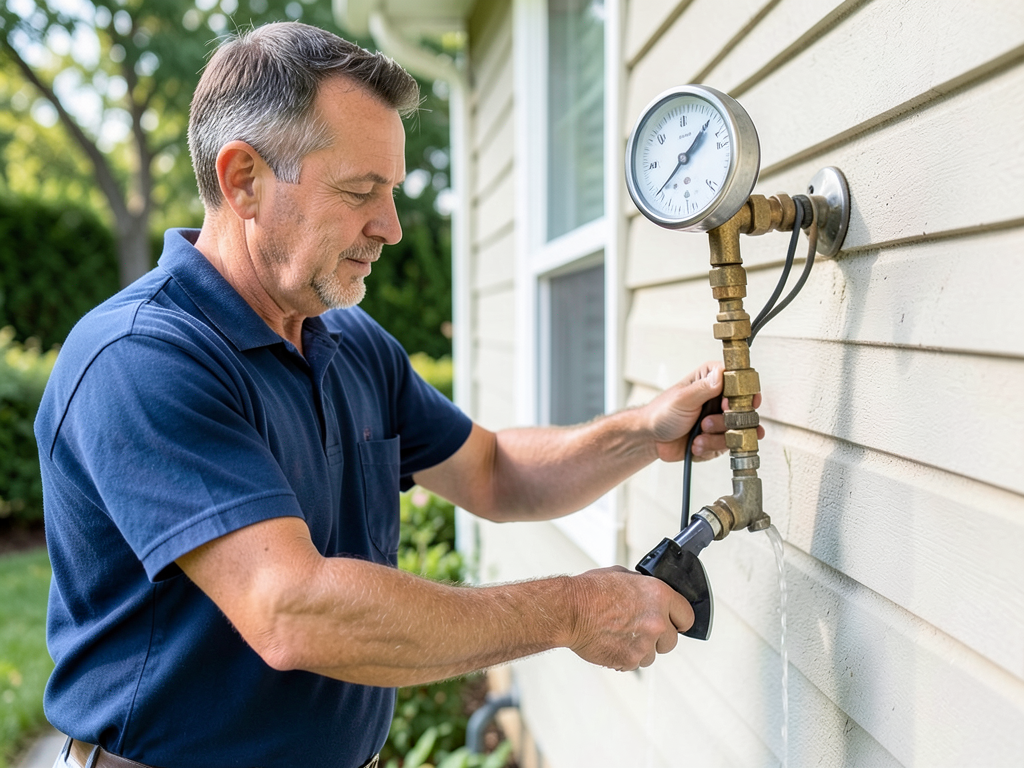
Professional plumbers use specific tools to diagnose pressure problems that you can’t see or hear. A pressure gauge attached to a hose bib can tell you if your incoming water pressure is adequate. Most homes need between 40-60 psi for good performance.
A flow meter can measure exactly how much water your shower is using. If it’s significantly below 1.8 GPM even after cleaning, you might have a hidden blockage in the supply line or a failing mixing valve. These issues require specialized tools and expertise to fix properly.
Listen for unusual sounds when you turn on your shower. A whistling noise often indicates a partially closed valve or a restriction in the line. A banging or knocking sound when you turn off the water might mean your pressure reducing valve is failing and needs replacement.
Mount Hope’s Unique Plumbing Challenges
Mount Hope’s mix of older and newer homes creates specific plumbing challenges that affect shower pressure. Many homes in this area were built between the 1920s and 1960s, when galvanized steel was the standard piping material. These pipes have a lifespan of about 40-50 years before corrosion becomes a major problem.
The neighborhood’s elevation changes also affect water pressure. Homes on higher ground may experience lower pressure because water has to travel uphill through the municipal system. This makes shower-specific problems more noticeable since the baseline pressure is already lower.
Mount Hope’s proximity to downtown San Diego means many homes have been renovated multiple times, often with mixed piping materials. This patchwork approach can create pressure inconsistencies where different pipe types meet, especially in showers where hot and cold lines combine.
Preventive Maintenance for Better Shower Pressure
Once you’ve fixed your shower pressure problem, a little preventive maintenance can keep it working well for years. The key is addressing San Diego’s hard water before it creates major buildup again.
Install a whole-house water softener if you haven’t already. These systems remove calcium and magnesium before they enter your plumbing, preventing scale buildup throughout your home. While they require an initial investment, they protect all your fixtures and appliances from mineral damage.
If a whole-house system isn’t in your budget, consider a point-of-use shower filter. These attach between your shower arm and head and use replaceable cartridges to filter out minerals and chlorine. They’re much less expensive than whole-house systems and can extend the life of your shower head significantly.
Make cleaning your shower head part of your regular bathroom maintenance. A quick monthly soak in vinegar takes just 30 minutes and prevents the heavy buildup that causes pressure problems. This simple habit can save you from dealing with weak showers again in the future.
Cost Factors for Professional Shower Pressure Repairs
Understanding what affects repair costs helps you budget appropriately when professional help is needed. The complexity of the problem and the accessibility of your plumbing are the biggest cost factors.
Simple shower head cleaning or replacement typically costs between $100-200, including labor. This is often the first step even for more complex problems since it’s quick and inexpensive. If cleaning doesn’t solve the issue, your plumber can move on to more involved diagnostics without wasting money.
Pressure reducing valve replacement costs more, usually $300-500, because it involves shutting off your main water supply and potentially adjusting other fixtures afterward. However, a failing PRV affects your entire home’s water pressure, so replacing it often solves multiple problems at once.
Galvanized pipe replacement is the most expensive option, ranging from $2,000-5,000 depending on your home’s size and the extent of the corrosion. This is typically a last resort when pipes are so corroded that cleaning or partial repairs won’t provide lasting results.
Why Ace Plumbing is Mount Hope’s Shower Pressure Expert
We’ve been solving San Diego’s hard water and pressure problems since 2005, and Mount Hope’s unique mix of old and new homes gives us specialized experience that general plumbers don’t have. We understand exactly how the neighborhood’s elevation, water quality, and plumbing age combine to create specific pressure issues.
Our diagnostic process starts with the simple tests we described above, but we go further with professional-grade tools that can pinpoint exactly where your pressure is being lost. We can tell the difference between a clogged shower head and a failing pressure reducing valve within minutes of arriving at your home.
We also understand California’s strict water conservation laws and work within them to improve your shower experience without violating regulations. Our solutions focus on cleaning and optimizing existing fixtures rather than removing water-saving devices that could get you in trouble with inspectors later.
Frequently Asked Questions
Why does my shower have low pressure but the sink works fine?
Showers are often the first fixtures to show pressure problems because they’re at the end of long pipe runs and have smaller supply lines than sinks. Mineral buildup, partially closed valves, or failing pressure reducing valves typically affect end-point fixtures first.
Can I remove the flow restrictor to get better pressure?
Removing the flow restrictor violates California’s Title 20 regulations and can result in fines. It also wastes water and increases your utility bills. Cleaning the existing restrictor or installing a high-efficiency shower head designed for low pressure is a better solution.
How often should I clean my shower head?
In San Diego’s hard water conditions, cleaning your shower head every 3-6 months prevents major buildup. A quick monthly vinegar soak takes just 30 minutes and keeps mineral deposits from becoming a problem.
What’s the average cost to fix low shower pressure?
Simple cleaning or replacement costs $100-200. Pressure reducing valve replacement runs $300-500. Complete pipe replacement can cost $2,000-5,000. Most problems are solved at the lower end of that range.
How do I know if I need a new shower head?
If cleaning doesn’t improve pressure and your shower head is more than 5-7 years old, replacement might be necessary. Signs include cracked plastic, corroded metal, or spray patterns that have changed significantly over time.
Take Action Today for Better Showers Tomorrow
Weak shower pressure isn’t just annoying – it’s a sign that something in your plumbing system needs attention. Whether it’s a simple mineral buildup that you can clean yourself or a more complex issue requiring professional diagnosis, taking action now prevents the problem from getting worse.
Start with the basic cleaning steps we outlined above. If your shower pressure doesn’t improve within 24 hours, give us a call at (619) 304-5400. We offer same-day service throughout Mount Hope and can often diagnose and fix pressure problems in a single visit.
Don’t let another morning start with a disappointing shower. Call (619) 304-5400 today to schedule your pressure diagnosis and get back to enjoying the strong, refreshing showers you deserve. Our team understands Mount Hope’s unique plumbing challenges and knows exactly how to solve them quickly and effectively.
- Remove the Shower Head
Twist off by hand or use channel-lock pliers with a cloth to avoid scratching the finish.
- Soak in Vinegar
Submerge in white vinegar for 2-8 hours to dissolve mineral deposits.
- Clean Spray Holes
Use an old toothbrush to scrub away remaining debris from each spray hole.
- Clean or Replace Filter Screen
Remove and clean the mesh filter or install a new one if damaged.
- Reinstall and Test
Put the shower head back on and run water to check for improved pressure.
{
“@context”: “https://schema.org”,
“@type”: “BlogPosting”,
“headline”: “Why Your Mount Hope Shower Has Low Pressure While the Rest of the House is Fine”,
“description”: “Struggling with low shower pressure in Mount Hope? Discover why your shower has weak flow while other fixtures work fine. Learn DIY fixes and when to call Ace Plumbing.”,
“wordCount”: 2264,
“datePublished”: “2026-06-04T15:48:00.000Z”,
“dateModified”: “2026-06-04T15:48:00.000Z”,
“inLanguage”: “en-US”,
“mainEntityOfPage”: {
“@type”: “WebPage”,
“@id”: “https://aceplumbingsandiego.com”
},
“publisher”: {
“@type”: “LocalBusiness”,
“name”: “Ace Plumbing San Diego”,
“url”: “https://aceplumbingsandiego.com”
},
“author”: {
“@type”: “Organization”,
“name”: “Ace Plumbing San Diego”,
“url”: “https://aceplumbingsandiego.com”
},
“image”: {
“@type”: “ImageObject”,
“url”: “https://aceplumbingsandiego.com/wp-content/uploads/2026/03/why-your-mount-hope-shower-has-low-pressure-while-1.png”
}
}
{
“@context”: “https://schema.org”,
“@type”: “Plumber”,
“name”: “Ace Plumbing San Diego”,
“url”: “https://aceplumbingsandiego.com”,
“address”: {
“@type”: “PostalAddress”,
“addressLocality”: “San Diego”
},
“areaServed”: {
“@type”: “City”,
“name”: “San Diego”
}
}
{
“@context”: “https://schema.org”,
“@type”: “FAQPage”,
“mainEntity”: [
{
“@type”: “Question”,
“name”: “Quick Test: Is It Just Your Shower or Something Bigger?”,
“acceptedAnswer”: {
“@type”: “Answer”,
“text”: “Before you start disassembling anything, you need to figure out if you’re dealing with a localized shower problem or a house-wide issue. This simple test takes less than five minutes but tells you exactly where to focus your efforts.”
}
},
{
“@type”: “Question”,
“name”: “Why does my shower have low pressure but the sink works fine?”,
“acceptedAnswer”: {
“@type”: “Answer”,
“text”: “Showers are often the first fixtures to show pressure problems because they’re at the end of long pipe runs and have smaller supply lines than sinks. Mineral buildup, partially closed valves, or failing pressure reducing valves typically affect end-point fixtures first.”
}
},
{
“@type”: “Question”,
“name”: “Can I remove the flow restrictor to get better pressure?”,
“acceptedAnswer”: {
“@type”: “Answer”,
“text”: “Removing the flow restrictor violates California’s Title 20 regulations and can result in fines. It also wastes water and increases your utility bills. Cleaning the existing restrictor or installing a high-efficiency shower head designed for low pressure is a better solution.”
}
},
{
“@type”: “Question”,
“name”: “How often should I clean my shower head?”,
“acceptedAnswer”: {
“@type”: “Answer”,
“text”: “In San Diego’s hard water conditions, cleaning your shower head every 3-6 months prevents major buildup. A quick monthly vinegar soak takes just 30 minutes and keeps mineral deposits from becoming a problem.”
}
},
{
“@type”: “Question”,
“name”: “What’s the average cost to fix low shower pressure?”,
“acceptedAnswer”: {
“@type”: “Answer”,
“text”: “Simple cleaning or replacement costs $100-200. Pressure reducing valve replacement runs $300-500. Complete pipe replacement can cost $2,000-5,000. Most problems are solved at the lower end of that range.”
}
}
]
}
{
“@context”: “https://schema.org”,
“@type”: “HowTo”,
“name”: “How to Clean a Clogged Shower Head”,
“step”: [
{
“@type”: “HowToStep”,
“position”: 1,
“name”: “Remove the Shower Head”,
“text”: “Twist off by hand or use channel-lock pliers with a cloth to avoid scratching the finish.”
},
{
“@type”: “HowToStep”,
“position”: 2,
“name”: “Soak in Vinegar”,
“text”: “Submerge in white vinegar for 2-8 hours to dissolve mineral deposits.”
},
{
“@type”: “HowToStep”,
“position”: 3,
“name”: “Clean Spray Holes”,
“text”: “Use an old toothbrush to scrub away remaining debris from each spray hole.”
},
{
“@type”: “HowToStep”,
“position”: 4,
“name”: “Clean or Replace Filter Screen”,
“text”: “Remove and clean the mesh filter or install a new one if damaged.”
},
{
“@type”: “HowToStep”,
“position”: 5,
“name”: “Reinstall and Test”,
“text”: “Put the shower head back on and run water to check for improved pressure.”
}
],
“image”: “https://aceplumbingsandiego.com/wp-content/uploads/2026/03/why-your-mount-hope-shower-has-low-pressure-while-1.png”
}
{
“@context”: “https://schema.org”,
“@type”: “BreadcrumbList”,
“itemListElement”: [
{
“@type”: “ListItem”,
“position”: 1,
“name”: “Home”,
“item”: “https://aceplumbingsandiego.com”
},
{
“@type”: “ListItem”,
“position”: 2,
“name”: “Blog”,
“item”: “https://aceplumbingsandiego.com/blog”
},
{
“@type”: “ListItem”,
“position”: 3,
“name”: “Why Your Mount Hope Shower Has Low Pressure While the Rest of the House is Fine”
}
]
}
{
“@context”: “https://schema.org”,
“@type”: “Service”,
“serviceType”: “Plumbing”,
“provider”: {
“@type”: “LocalBusiness”,
“name”: “Ace Plumbing San Diego”,
“url”: “https://aceplumbingsandiego.com”
},
“areaServed”: {
“@type”: “City”,
“name”: “San Diego”
},
“description”: “Struggling with low shower pressure in Mount Hope? Discover why your shower has weak flow while other fixtures work fine. Learn DIY fixes and when to call Ace Plumbing.”
}