
Why Your City Heights Water Heater Needs an Expansion Tank to Prevent a Burst
City Heights homes built between the 1950s and 1980s often have closed-loop plumbing systems that trap thermal expansion inside your water heater. When water heats from 50°F to 120°F, it expands by about 2%, creating dangerous pressure spikes that can rupture tanks, blow out supply lines, or flood your home. The California Plumbing Code (CPC Section 608.4) requires an expansion tank on all closed-loop systems to protect both your property and the municipal water supply. California Plumbing Code Section 608.4.
The risk is especially high in City Heights where many homes have Pressure Reducing Valves (PRVs) installed to combat San Diego’s variable water pressure. These PRVs create the closed-loop condition that makes expansion tanks mandatory. Without one, your water heater’s Temperature and Pressure Relief (T&P) valve will constantly drip, wasting water and eventually failing when you need it most. San Diego Municipal Code requirements.
A properly sized expansion tank absorbs that extra volume by compressing an air bladder inside a steel chamber. This simple device prevents the 150+ PSI spikes that can occur during heating cycles. For City Heights homes, a 2-gallon tank typically suffices for standard 40-50 gallon heaters, while 5-gallon tanks protect larger 75-80 gallon units common in multi-bathroom properties.
The consequences of skipping this safety device range from annoying to catastrophic. Constant pressure cycling wears out your water heater’s internal components, voids most manufacturer warranties, and can cause supply line failures behind walls where leaks go undetected for days. In older City Heights homes with galvanized supply lines, the added stress accelerates corrosion and creates weak points that burst under pressure. How to Deal with a Slab Leak in Your Point Loma Home Without Destroying Your Floors.
Professional installation includes pressure testing your system, matching the tank’s pre-charge pressure to your home’s water pressure, and mounting it vertically on the cold water supply line. The entire process takes 60-90 minutes and costs significantly less than emergency water damage restoration or premature water heater replacement. Finding an Emergency Plumber in North Park Who Actually Picks Up the Phone.
City Heights residents should also consider the area’s hard water conditions. Mineral buildup affects expansion tank longevity, with the internal bladder typically lasting 5-7 years before needing replacement. Annual pressure testing by a licensed plumber can identify failing tanks before they cause damage. Dealing with Hard Water in Oceanside with a Professional Softener System.
Don’t wait for the drip that turns into a flood. Call (619) 304-5400 today to schedule your expansion tank inspection and keep your City Heights home safe from preventable water damage.. Read more about Fixing low water pressure in the upstairs bathroom of your multi-level Morena home.
How Thermal Expansion Creates Dangerous Pressure in Your Water Heater
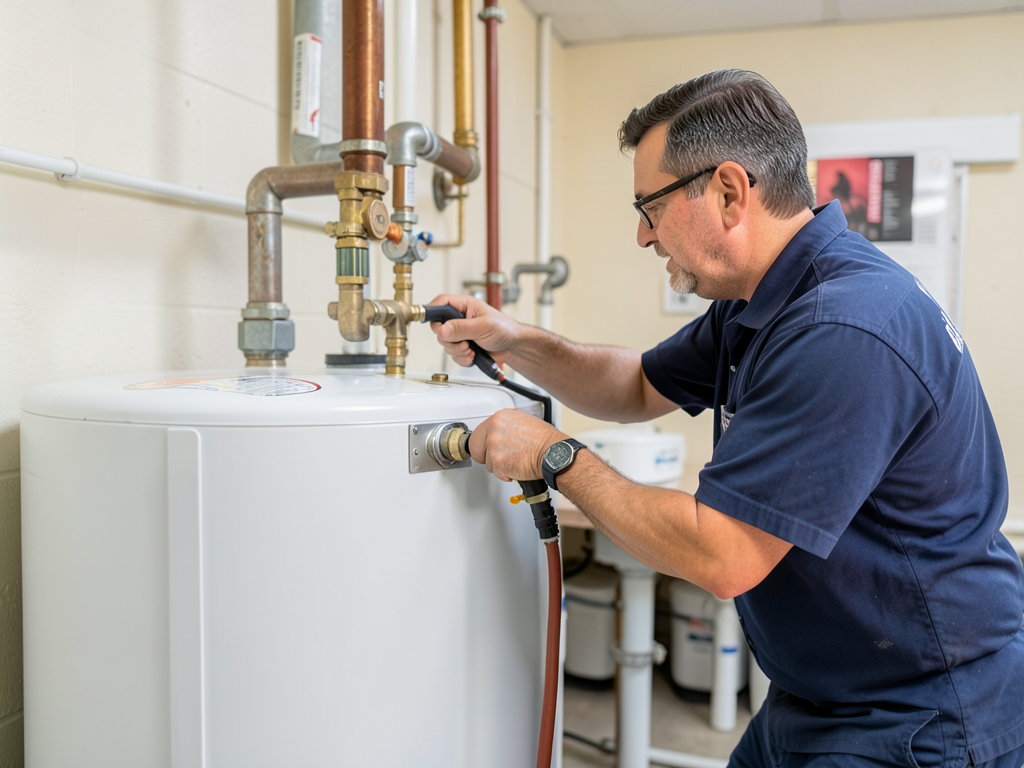
Water cannot be compressed like air. When your 50-gallon water heater heats cold supply water from 50°F to 120°F, that water expands by approximately 1.7 gallons. In an open system where expanded water can flow back into the municipal supply, this isn’t a problem. But City Heights homes typically have backflow preventers or PRVs that create a closed system.
This trapped expansion creates a pressure cooker effect. A typical 40-gallon heater might see pressure spikes from 60 PSI to over 150 PSI during heating cycles. Your T&P relief valve should open at 150 PSI to release this pressure, but constant cycling wears out the spring mechanism and can cause the valve to fail when you need it most.
The pressure spikes also damage your water heater internally. The glass lining cracks from thermal shock, the anode rod corrodes faster, and the heating elements burn out prematurely. These failures often occur just outside warranty periods, costing homeowners hundreds in unnecessary replacement expenses. Why La Jolla Homeowners are Switching to Tankless Water Heaters This Year.
City Heights’ elevation and proximity to Balboa Park means many homes experience slightly different pressure profiles than coastal areas. Properties near College Avenue might see 55-65 PSI, while those closer to I-805 could experience 70-80 PSI during peak usage times. These variations affect expansion tank sizing and pre-charge requirements.
California Plumbing Code Requirements for City Heights Homes

California Plumbing Code Section 608.4 explicitly requires thermal expansion control devices on all water heating systems where a backflow prevention device, check valve, or pressure reducing valve is installed. The code defines a closed system as any configuration where expanded water cannot return to the supply.
San Diego Municipal Code adopts these requirements and adds local enforcement. City Heights, with its mix of older and newer construction, presents unique compliance challenges. Many homes built before 1980 never had expansion tanks installed because PRVs and backflow preventers weren’t common then.
During home sales or major plumbing renovations, inspectors now flag missing expansion tanks as code violations. Insurance companies also recognize this as a liability issue, with some policies requiring proof of compliance for coverage in older neighborhoods.
The code specifies that expansion tanks must be rated for potable water use, have a visible means of determining the air charge, and be accessible for maintenance. Tanks must also be sized according to the water heater’s capacity and the system’s pressure, typically following the water heater manufacturer’s recommendations.
Professional plumbers in City Heights carry the specific documentation and sizing charts required to demonstrate code compliance. DIY installations often use incorrectly sized tanks or fail to match the pre-charge pressure, creating the same problems they’re meant to solve.
Five Warning Signs Your Expansion Tank Needs Replacement
Expansion tanks don’t last forever. The internal bladder typically fails after 5-10 years, depending on water quality and pressure cycles. City Heights’ hard water accelerates this deterioration, with mineral deposits creating microscopic tears in the bladder material.
The first warning sign is constant T&P valve dripping. When the expansion tank can’t absorb pressure, the relief valve opens repeatedly to protect the system. This wastes water and indicates the tank has lost its air charge or the bladder has ruptured.
A failing tank often makes a distinct thumping sound when you tap it with a screwdriver. A healthy tank sounds hollow because the air chamber is intact. A waterlogged tank sounds dull because it’s filled with water instead of air. This simple diagnostic test takes seconds but reveals the tank’s internal condition.
Water leaking from the tank’s air valve indicates bladder failure. When the diaphragm ruptures, water enters the air side and can escape through the Schrader valve designed for pressure checks. This leak often appears as a small puddle beneath the tank.
Premature water heater failure suggests expansion problems. If your heater is less than 5 years old but showing signs of corrosion, leaking, or pressure-related damage, the expansion tank may have failed and subjected the entire system to damaging pressure cycles.
High water pressure readings on your gauge indicate the tank isn’t functioning. After heating cycles, pressure should return to normal levels. Consistently high readings suggest the expansion tank can’t absorb the additional volume.
Professional Expansion Tank Installation Process
Professional installation starts with system diagnosis. A licensed plumber tests your home’s water pressure, checks for existing backflow preventers or PRVs, and examines your water heater’s specifications. This assessment determines the correct tank size and pre-charge pressure.
The installation process follows strict protocols. First, the water supply shuts off and the water heater power disconnects. The plumber then drains the cold water line to prevent flooding during tank removal if replacing an existing unit.
Next comes mounting the tank. Expansion tanks must install vertically with the air valve facing upward. The plumber secures it to the wall or water heater stand using approved brackets rated for the tank’s weight when full of water.
Pressure matching is critical. The tank’s pre-charge pressure must equal your home’s static water pressure, typically 50-70 PSI in City Heights. This matching ensures the tank can absorb the full expansion volume without over-pressurizing the system.
Finally, the plumber connects the tank to the cold water supply using approved fittings and checks for leaks. The system repressurizes, and the plumber verifies proper operation by heating water and monitoring pressure readings throughout the cycle.
The entire process takes 60-90 minutes for a straightforward replacement. Complex installations involving new plumbing runs or electrical work for electric water heaters may require additional time.
Cost Factors and Investment Protection
Expansion tank installation costs vary based on several factors. Basic replacement of an existing tank runs $250-$400 including parts and labor. New installations requiring additional plumbing work range from $400-$600.
Several variables affect pricing. Tank size impacts cost directly – 2-gallon tanks cost less than 5-gallon units. Installation complexity matters too; mounting on a finished wall requires more labor than attaching to an unfinished basement or utility area.
Emergency service calls during nights or weekends carry premium rates. Most plumbing companies charge 1.5x to 2x standard rates for after-hours service, making preventive maintenance far more economical than emergency repairs.
The investment protects against much larger expenses. Water damage from a burst water heater typically costs $3,000-$10,000 to repair, including flooring, drywall, and mold remediation. Premature water heater replacement runs $1,200-$2,500 installed.
Many manufacturers void warranties if expansion tanks aren’t installed on closed systems. This means skipping the $300-$500 tank could cost you $1,000+ when your water heater fails just outside the warranty period.
Insurance companies increasingly recognize expansion tanks as risk mitigation devices. Some offer premium discounts for homes with documented code compliance, while others may deny claims for water damage caused by known code violations.
Frequently Asked Questions
Does every water heater need an expansion tank?
No, only water heaters in closed-loop systems need expansion tanks. If your home has no backflow preventer, check valve, or PRV, you likely have an open system that doesn’t require one. City Heights homes almost always have these devices due to San Diego’s water pressure management requirements.
How long do expansion tanks last in San Diego’s hard water?
Expansion tanks typically last 5-7 years in San Diego’s hard water conditions. The mineral content accelerates bladder deterioration and can cause premature failure. Annual pressure testing helps identify failing tanks before they cause damage to your water heater or plumbing system.
Can I install an expansion tank myself?
While DIY installation is possible, professional installation ensures code compliance and proper system matching. Incorrect pre-charge pressure or improper mounting can create the same problems the tank is meant to solve. Professional installation also provides documentation for insurance and warranty purposes.
What size expansion tank do I need?
Most standard 40-50 gallon water heaters in City Heights need a 2-gallon expansion tank. Larger 75-80 gallon units or homes with multiple bathrooms typically require 5-gallon tanks. A licensed plumber can determine the exact size based on your water heater capacity and home’s water pressure.
How can I tell if my expansion tank is working?
Tap the tank with a screwdriver – it should sound hollow if the air chamber is intact. Check for water at the air valve, which indicates bladder failure. Monitor your T&P valve for constant dripping, which suggests the tank isn’t absorbing pressure properly. Annual pressure testing by a professional provides definitive results.
Protect Your City Heights Home Today
Your water heater works hard every day to provide hot water for showers, laundry, and dishwashing. The expansion tank is its unsung protector, preventing the pressure spikes that can turn a reliable appliance into a flooding hazard. In City Heights’ older homes, this simple device often makes the difference between decades of trouble-free service and costly emergency repairs.
Don’t wait for the drip that signals impending failure. City Heights residents should have their expansion tanks inspected annually, especially in homes over 10 years old or those with known pressure issues. The small investment in preventive maintenance pays dividends in avoided damage and extended equipment life.. Read more about What Morena residents need to know about failing pressure reducing valves.
Ace Plumbing San Diego has served the City Heights community for over 15 years, helping homeowners protect their properties from preventable plumbing disasters. Our licensed technicians understand the specific challenges of San Diego’s water systems and can ensure your home meets all current code requirements.
Call (619) 304-5400 today to schedule your expansion tank inspection. We’ll test your system pressure, check your existing tank’s condition, and provide a clear recommendation for keeping your home safe. Our transparent pricing and professional service mean you’ll never face surprise costs or unnecessary upselling.
Remember, the best time to address expansion tank issues is before they cause damage. Contact us now to protect your City Heights home from preventable flooding and extend the life of your water heater. Your peace of mind is just one phone call away.
You may also find this helpful. Protecting your Pacific Highlands Ranch smart home with a Moen Flo or Phyn leak detector.
{
“@context”: “https://schema.org”,
“@type”: “BlogPosting”,
“headline”: “Why your City Heights water heater needs an expansion tank to prevent a burst”,
“description”: “Learn why City Heights homes need expansion tanks to prevent water heater bursts. Ace Plumbing San Diego explains the risks, codes, and professional installation process.”,
“wordCount”: 2088,
“datePublished”: “2026-04-12T14:39:00.000Z”,
“dateModified”: “2026-04-12T14:39:00.000Z”,
“inLanguage”: “en-US”,
“mainEntityOfPage”: {
“@type”: “WebPage”,
“@id”: “https://aceplumbingsandiego.com”
},
“publisher”: {
“@type”: “LocalBusiness”,
“name”: “Ace Plumbing San Diego”,
“url”: “https://aceplumbingsandiego.com”
},
“author”: {
“@type”: “Organization”,
“name”: “Ace Plumbing San Diego”,
“url”: “https://aceplumbingsandiego.com”
},
“image”: {
“@type”: “ImageObject”,
“url”: “https://aceplumbingsandiego.com/wp-content/uploads/2026/03/why-your-city-heights-water-heater-needs-an-expans-1.png”
}
}
{
“@context”: “https://schema.org”,
“@type”: “Plumber”,
“name”: “Ace Plumbing San Diego”,
“url”: “https://aceplumbingsandiego.com”,
“address”: {
“@type”: “PostalAddress”,
“addressLocality”: “San Diego”
},
“areaServed”: {
“@type”: “City”,
“name”: “San Diego”
}
}
{
“@context”: “https://schema.org”,
“@type”: “FAQPage”,
“mainEntity”: [
{
“@type”: “Question”,
“name”: “Does every water heater need an expansion tank?”,
“acceptedAnswer”: {
“@type”: “Answer”,
“text”: “No, only water heaters in closed-loop systems need expansion tanks. If your home has no backflow preventer, check valve, or PRV, you likely have an open system that doesn’t require one. City Heights homes almost always have these devices due to San Diego’s water pressure management requirements.”
}
},
{
“@type”: “Question”,
“name”: “How long do expansion tanks last in San Diego’s hard water?”,
“acceptedAnswer”: {
“@type”: “Answer”,
“text”: “Expansion tanks typically last 5-7 years in San Diego’s hard water conditions. The mineral content accelerates bladder deterioration and can cause premature failure. Annual pressure testing helps identify failing tanks before they cause damage to your water heater or plumbing system.”
}
},
{
“@type”: “Question”,
“name”: “Can I install an expansion tank myself?”,
“acceptedAnswer”: {
“@type”: “Answer”,
“text”: “While DIY installation is possible, professional installation ensures code compliance and proper system matching. Incorrect pre-charge pressure or improper mounting can create the same problems the tank is meant to solve. Professional installation also provides documentation for insurance and warranty purposes.”
}
},
{
“@type”: “Question”,
“name”: “What size expansion tank do I need?”,
“acceptedAnswer”: {
“@type”: “Answer”,
“text”: “Most standard 40-50 gallon water heaters in City Heights need a 2-gallon expansion tank. Larger 75-80 gallon units or homes with multiple bathrooms typically require 5-gallon tanks. A licensed plumber can determine the exact size based on your water heater capacity and home’s water pressure.”
}
},
{
“@type”: “Question”,
“name”: “How can I tell if my expansion tank is working?”,
“acceptedAnswer”: {
“@type”: “Answer”,
“text”: “Tap the tank with a screwdriver – it should sound hollow if the air chamber is intact. Check for water at the air valve, which indicates bladder failure. Monitor your T&P valve for constant dripping, which suggests the tank isn’t absorbing pressure properly. Annual pressure testing by a professional provides definitive results.”
}
}
]
}
{
“@context”: “https://schema.org”,
“@type”: “BreadcrumbList”,
“itemListElement”: [
{
“@type”: “ListItem”,
“position”: 1,
“name”: “Home”,
“item”: “https://aceplumbingsandiego.com”
},
{
“@type”: “ListItem”,
“position”: 2,
“name”: “Blog”,
“item”: “https://aceplumbingsandiego.com/blog”
},
{
“@type”: “ListItem”,
“position”: 3,
“name”: “Why your City Heights water heater needs an expansion tank to prevent a burst”
}
]
}
{
“@context”: “https://schema.org”,
“@type”: “Service”,
“serviceType”: “Plumbing”,
“provider”: {
“@type”: “LocalBusiness”,
“name”: “Ace Plumbing San Diego”,
“url”: “https://aceplumbingsandiego.com”
},
“areaServed”: {
“@type”: “City”,
“name”: “San Diego”
},
“description”: “Learn why City Heights homes need expansion tanks to prevent water heater bursts. Ace Plumbing San Diego explains the risks, codes, and professional installation process.”
}