
Why Jamul Homeowners are Investing in Rainwater Harvesting Systems (And How to Start)
Living in Jamul means dealing with long dry seasons and rising water costs from the San Diego County Water Authority. Many homeowners are turning to rainwater harvesting systems to capture every drop of rain that falls on their property. These systems can reduce your water bill by up to 40% and help protect Jamul Creek from harmful runoff. The upfront cost pays for itself in just a few years through rebates and water savings. San Diego County Rainwater Harvesting Rebate Program.
Starting a rainwater harvesting system in Jamul requires understanding local regulations, calculating your roof’s catchment potential, and choosing between simple rain barrels or larger underground cisterns. The process involves more than just placing a barrel under a downspout. You need proper filtration, mosquito prevention, and sometimes permits from the County of San Diego. This guide walks you through everything you need to know to make an informed decision. Dealing with Hard Water in Oceanside with a Professional Softener System.
Understanding Rainwater Harvesting in Jamul
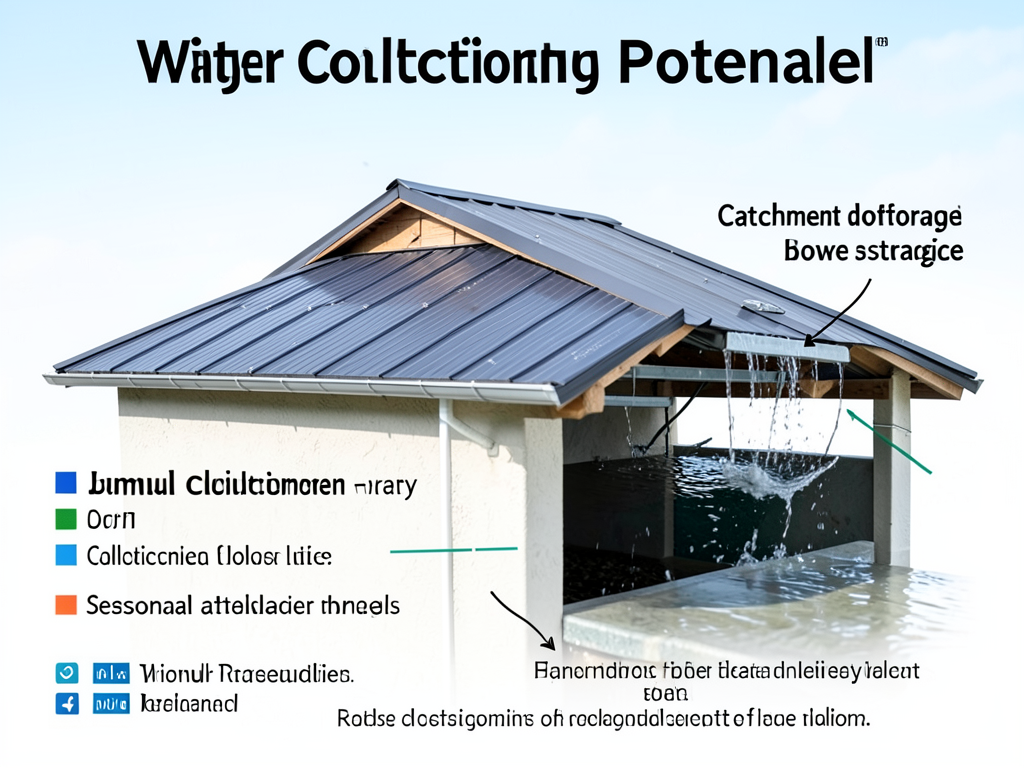
Rainwater harvesting means collecting and storing rain that falls on your roof or other surfaces for later use. In Jamul’s Mediterranean climate, most rain falls between November and March. A typical 2,000-square-foot roof can collect over 1,200 gallons from just one inch of rainfall. That adds up to thousands of gallons each season that would otherwise run off into storm drains.. Read more about Stop Heavy Rains from Flooding Your Alpine Foundation with Proper Perimeter Drainage.
The collected water works perfectly for irrigation, washing cars, or even flushing toilets if properly filtered. Many Jamul homes already have the basic components needed – gutters and downspouts. The key is adding storage tanks, filters, and proper overflow systems to make the setup efficient and safe.
Golden Nugget #1: Jamul receives approximately 16 inches of rain annually, compared to San Diego’s average of 10 inches. This extra rainfall makes Jamul ideal for larger harvesting systems that can provide year-round water independence.
Financial Benefits and Local Rebates
The financial case for rainwater harvesting in Jamul is stronger than ever. Water rates from the Helix Water District and other local providers continue to climb, with some areas seeing 8-10% increases annually. A properly sized system can reduce outdoor water use by 60-80%, which typically accounts for half of a household’s total consumption.
The County of San Diego offers a rainwater harvesting rebate program that pays $1 per gallon of storage capacity, up to $400 per property. This means a 500-gallon tank could earn you a $400 rebate. Additionally, the Metropolitan Water District’s SoCal Water$mart program offers further incentives in some areas. SoCal Water$mart Rebate Program.
Golden Nugget #2: The San Diego County Water Authority reports that residential outdoor irrigation accounts for 50-70% of total household water use in Jamul. Capturing rainwater for this purpose directly impacts your largest water expense.
| System Size | Estimated Collection (Annual) | Rebate Potential | Typical ROI Period |
|---|---|---|---|
| 500 gallons | 8,000-10,000 gallons | $400 | 3-4 years |
| 1,000 gallons | 16,000-20,000 gallons | $400 | 2-3 years |
| 2,500 gallons | 40,000-50,000 gallons | $400 | 1-2 years |
Beyond direct savings, these systems add property value and provide emergency water storage during power outages or supply disruptions. Many insurance companies now offer premium discounts for homes with water conservation features. Finding an Emergency Plumber in North Park Who Actually Picks Up the Phone.
System Types and Components
Rainwater harvesting systems range from simple to sophisticated. The right choice depends on your property size, water needs, and budget. Understanding the components helps you make informed decisions about what works best for your Jamul home.
Basic Rain Barrels: These 50-100 gallon containers connect to downspouts and work well for small gardens. They’re affordable but limited in capacity. Most Jamul homeowners need multiple barrels to make a meaningful impact.
Intermediate Systems: These include 300-500 gallon tanks with basic filtration and overflow protection. They’re ideal for medium-sized properties and can handle most irrigation needs during the rainy season.
Advanced Systems: Large cisterns (1,000+ gallons) with professional-grade filtration, pumps, and sometimes integration with indoor plumbing. These systems can provide year-round water for irrigation, laundry, and toilets.
Golden Nugget #3: The California Plumbing Code (Chapter 16) requires specific backflow prevention devices when rainwater systems connect to indoor plumbing. This prevents contamination of the municipal water supply during pressure fluctuations.
Key components include first-flush diverters that remove debris from the initial rainfall, mesh screens to prevent mosquito breeding, and proper overflow systems to handle heavy storms. Each component plays a crucial role in system efficiency and safety.
Permits and Local Regulations
Understanding permits is crucial before installing any rainwater harvesting system in Jamul. The County of San Diego has specific requirements that vary based on system size and intended use. Getting this right prevents costly mistakes and ensures your system operates legally.
Systems under 5,000 gallons typically don’t require permits if used only for outdoor irrigation. However, anything larger or intended for indoor non-potable use needs proper permitting through the County’s Development Services Department. This process includes site plans, engineering calculations, and sometimes environmental reviews.
The California Plumbing Code mandates specific requirements for non-potable water systems. These include proper labeling of pipes, backflow prevention assemblies, and separation from potable water lines. Local inspectors check these details during final inspections.. Read more about Designing a Reliable Plumbing System for Your New Valley Center Tiny Home.
San Diego County Vector Control requires all rainwater storage containers to have secure lids or screens to prevent mosquito breeding. This is particularly important in Jamul’s rural areas where West Nile virus concerns are higher. Failure to comply can result in fines and mandatory removal of non-compliant systems.
Many Jamul homeowners find the permitting process overwhelming. Professional installers familiar with local requirements can handle permit applications, inspections, and ensure compliance with all codes. This expertise often saves money by preventing costly rework. Why La Jolla Homeowners are Switching to Tankless Water Heaters This Year.
Professional Installation Process
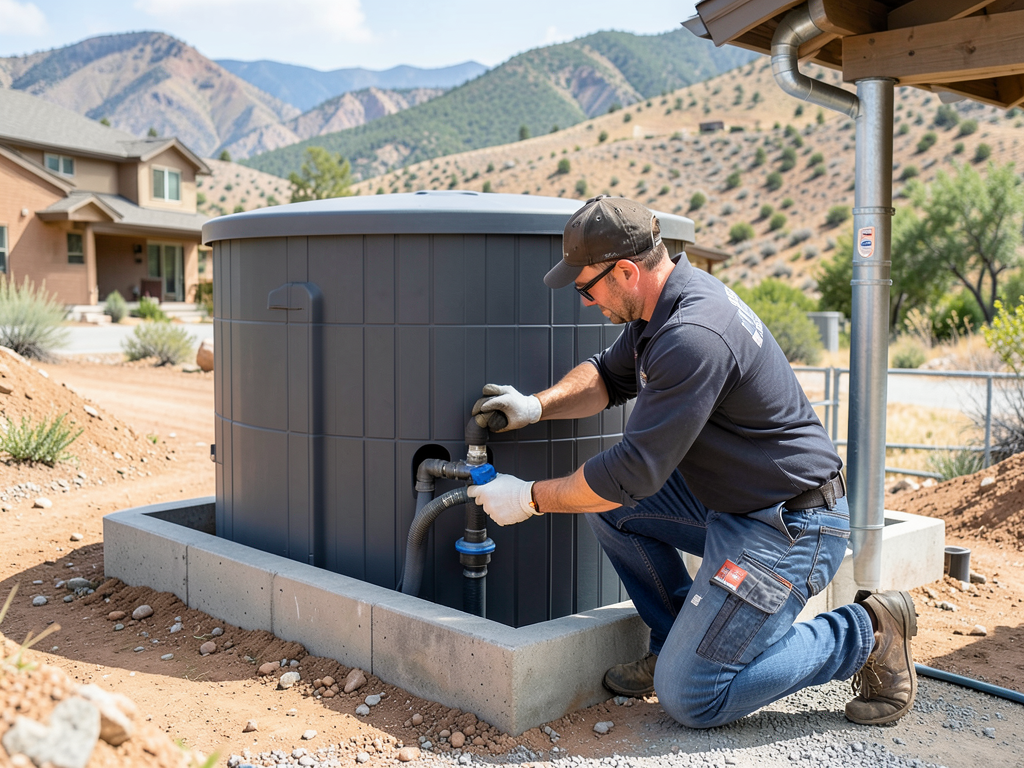
Professional installation ensures your rainwater harvesting system works efficiently and meets all local requirements. The process typically takes 2-3 days for a complete system and includes several critical steps that DIY installations often miss.
Site Assessment: Technicians evaluate your roof size, pitch, and material to calculate catchment potential. They also assess soil conditions, especially important in Jamul’s variable terrain where some areas have expansive clay soils that affect tank stability.
System Design: Based on your water needs and property characteristics, professionals design a system that maximizes collection while ensuring proper drainage and overflow management. This includes calculating pipe sizes and determining optimal tank locations.
Installation Steps: The process begins with preparing the tank base, often requiring concrete pads or compacted gravel for stability. Next, installers modify downspouts, add filtration components, and connect the storage tank. Finally, they test the entire system and demonstrate operation to the homeowner.
Professional installation includes critical elements that ensure long-term reliability. These include proper grounding to prevent lightning damage, freeze protection in exposed pipes, and integration with existing irrigation systems. Many DIY installations fail within the first year due to these overlooked details.
Maintenance is another crucial factor. Professional systems include easy-access cleanouts, replaceable filters, and clear maintenance schedules. This ensures your investment continues providing benefits for 15-20 years rather than failing after a single rainy season.
Maintenance and Seasonal Care
Proper maintenance keeps your rainwater harvesting system functioning efficiently and prevents costly repairs. Jamul’s climate creates specific maintenance needs that differ from coastal or desert areas. Understanding these requirements helps you protect your investment.
Pre-Rain Season (October): Clean gutters and downspouts to remove summer debris. Check screens and filters for damage. Test overflow systems to ensure they’re clear. This preparation prevents contamination and ensures maximum collection when rains arrive.
During Rainy Season (November-March): Monitor tank levels and check for leaks weekly. Clean first-flush diverters after each major storm. Inspect mosquito screens monthly. These simple checks prevent minor issues from becoming major problems.
Post-Rainy Season (April-September): Deep clean tanks if needed. Check for algae growth and treat if present. Inspect all connections for wear. This maintenance prevents stagnation and prepares the system for the next rainy season.
Professional maintenance typically includes pressure testing pipes, replacing worn seals, and calibrating pumps. These services cost $150-300 annually but prevent expensive emergency repairs. Many homeowners find this worthwhile compared to the cost of replacing a failed system.
Seasonal checklists help track maintenance tasks. Most systems need 2-4 hours of attention annually, spread across the seasons. This minimal investment ensures decades of reliable service and continued water savings.
Common Mistakes to Avoid
Many Jamul homeowners make costly mistakes when installing rainwater harvesting systems. Learning from these common errors can save you thousands of dollars and prevent system failures.
Overestimating Collection: Some homeowners calculate potential collection based on ideal conditions rather than Jamul’s actual rainfall patterns. This leads to undersized tanks that empty too quickly. Professional calculations account for realistic rainfall distribution and household usage patterns.
Ignoring Local Codes: Many DIY installations violate County requirements for mosquito prevention, backflow prevention, or structural support. These violations can result in fines, mandatory removal, or insurance claim denials if water damage occurs.
Poor Placement: Tanks placed on uneven ground or without proper foundations can shift, causing leaks or complete system failure. Jamul’s varied terrain requires careful site evaluation to ensure stable installation.
Insufficient Filtration: Basic screens often can’t handle Jamul’s debris load from oak trees and other vegetation. This leads to clogged pipes, contaminated water, and frequent maintenance needs. Professional systems include multi-stage filtration appropriate for local conditions.
Neglecting Overflow: Many systems lack proper overflow management, causing flooding during heavy storms. This can damage foundations, erode soil, and create mosquito breeding areas. Professional designs include adequate overflow capacity and proper drainage paths.
Understanding these pitfalls helps you make better decisions about system design, installation, and maintenance. When in doubt, consulting with a professional familiar with Jamul’s specific conditions prevents these expensive mistakes.
Getting Started with Your System
Starting your rainwater harvesting journey in Jamul involves several key steps. Taking the time to plan properly ensures you get a system that meets your needs and provides maximum benefits.
Step 1: Assess Your Needs
Calculate your outdoor water usage and determine how much rainwater you want to capture. Consider whether you need water for basic irrigation or want to expand to indoor non-potable uses like toilet flushing.
Step 2: Evaluate Your Property
Examine your roof size, gutter condition, and available space for tanks. Consider sun exposure, soil conditions, and proximity to water usage areas. Jamul’s varied topography means each property has unique considerations.
Step 3: Research Rebates
Contact the County of San Diego and your local water district about current rebate programs. Requirements and amounts change annually, so verify current offers before making purchase decisions.
Step 4: Get Professional Quotes
Contact licensed contractors familiar with Jamul’s specific requirements. Ask about their experience with local permitting, knowledge of County codes, and warranty offerings. Compare multiple quotes but don’t automatically choose the lowest price.
Step 5: Plan for Installation
Schedule installation during dry weather if possible. Prepare the site by clearing vegetation and ensuring access for equipment. Discuss timing with your contractor to minimize disruption to your household.
Professional contractors can often complete the entire process, from initial assessment through final inspection. This comprehensive service ensures your system meets all requirements and functions optimally from day one.
The Environmental Impact
Rainwater harvesting in Jamul provides significant environmental benefits beyond individual water savings. Understanding these impacts helps you appreciate the broader value of your investment.
Stormwater Management: Jamul’s rural character means many properties drain directly into natural waterways. Capturing rainwater reduces the volume and velocity of runoff, preventing erosion and protecting Jamul Creek and other local water bodies from sedimentation and pollution.
Reduced Municipal Demand: Every gallon captured is a gallon not drawn from the Colorado River or other imported sources. This helps preserve these vital resources for environmental needs and future growth in San Diego County.
Energy Conservation: Pumping water from distant sources consumes significant energy. By using locally captured rainwater, you reduce the energy needed for water delivery, lowering your carbon footprint.
Habitat Protection: Reduced runoff means less water pollution entering local ecosystems. This protects native plants and animals that depend on clean water sources in Jamul’s canyons and hillsides.
Many Jamul residents find these environmental benefits as compelling as the financial savings. The combination of personal benefit and community impact makes rainwater harvesting a truly sustainable choice for this unique San Diego County community.
Frequently Asked Questions
How much does a rainwater harvesting system cost in Jamul?
Basic rain barrel systems start around $200-500, while complete professional installations with 500+ gallon tanks typically cost $2,000-5,000. Larger systems with pumps and filtration can exceed $10,000. Rebates and water savings often offset 30-50% of the initial cost.
Do I need a permit for rainwater harvesting in Jamul?
Systems under 5,000 gallons for outdoor use typically don’t require permits. However, larger systems or those intended for indoor non-potable use need permits from the County of San Diego. Professional installers can handle the permitting process for you.
Is the water safe to drink?
Rainwater collected from roofs is not potable without extensive treatment. It may contain bird droppings, chemicals from roofing materials, and other contaminants. These systems are designed for irrigation, car washing, and other non-drinking uses unless specifically designed and permitted for potable use. How to Deal with a Slab Leak in Your Point Loma Home Without Destroying Your Floors.
How long do rainwater harvesting systems last?
Quality systems typically last 15-20 years with proper maintenance. Tanks, pipes, and pumps may need replacement parts over time, but the basic structure remains sound. Regular maintenance extends system life and prevents costly failures.
Can I use rainwater for my vegetable garden?
Yes, rainwater is excellent for vegetable gardens. However, avoid using roof-collected water on root crops or leafy greens that are eaten raw, as these may contact contaminants. Use harvested water for drip irrigation of tomatoes, squash, and other vegetables where the edible parts don’t touch the water.
Take the Next Step
Rainwater harvesting represents a smart investment for Jamul homeowners looking to reduce water costs and increase self-sufficiency. The combination of rising water rates, available rebates, and proven technology makes now the perfect time to consider a system for your property.
Professional installation ensures your system meets all local requirements and provides maximum benefit. Our team understands Jamul’s specific conditions, from soil types to rainfall patterns, and can design a system that works perfectly for your home.
Don’t wait for the next drought to consider water conservation. Every rainy season that passes without a harvesting system means lost water and higher bills. Call (619) 304-5400 today to schedule your free property assessment and learn exactly how much you could save with a properly designed rainwater harvesting system.
Ready to start saving water and money? Pick up the phone and call (619) 304-5400 before the next storm hits. Our local experts will evaluate your property, explain all rebate options, and show you exactly how a rainwater harvesting system can benefit your Jamul home for decades to come.
You may also find this helpful. Keeping Your Fairbanks Ranch Solar Water Heater Running Efficiently All Year Round.
You may also find this helpful. Why Your Poway Pool Fill Valve Might Be Adding Hundreds to Your Water Bill.
{
“@context”: “https://schema.org”,
“@type”: “BlogPosting”,
“headline”: “Why Jamul Homeowners are Investing in Rainwater Harvesting Systems (And How to Start)”,
“description”: “Learn why Jamul residents are turning to rainwater harvesting systems to combat drought and rising water costs. Get local rebate info and professional installation tips.”,
“wordCount”: 2493,
“datePublished”: “2026-05-13T06:31:00.000Z”,
“dateModified”: “2026-05-13T06:31:00.000Z”,
“inLanguage”: “en-US”,
“mainEntityOfPage”: {
“@type”: “WebPage”,
“@id”: “https://aceplumbingsandiego.com”
},
“publisher”: {
“@type”: “LocalBusiness”,
“name”: “Ace Plumbing San Diego”,
“url”: “https://aceplumbingsandiego.com”
},
“author”: {
“@type”: “Organization”,
“name”: “Ace Plumbing San Diego”,
“url”: “https://aceplumbingsandiego.com”
},
“image”: {
“@type”: “ImageObject”,
“url”: “https://aceplumbingsandiego.com/wp-content/uploads/2026/03/why-jamul-homeowners-are-investing-in-rainwater-ha-1.png”
}
}
{
“@context”: “https://schema.org”,
“@type”: “Plumber”,
“name”: “Ace Plumbing San Diego”,
“url”: “https://aceplumbingsandiego.com”,
“address”: {
“@type”: “PostalAddress”,
“addressLocality”: “San Diego”
},
“areaServed”: {
“@type”: “City”,
“name”: “San Diego”
}
}
{
“@context”: “https://schema.org”,
“@type”: “FAQPage”,
“mainEntity”: [
{
“@type”: “Question”,
“name”: “How much does a rainwater harvesting system cost in Jamul?”,
“acceptedAnswer”: {
“@type”: “Answer”,
“text”: “Basic rain barrel systems start around $200-500, while complete professional installations with 500+ gallon tanks typically cost $2,000-5,000. Larger systems with pumps and filtration can exceed $10,000. Rebates and water savings often offset 30-50% of the initial cost.”
}
},
{
“@type”: “Question”,
“name”: “Do I need a permit for rainwater harvesting in Jamul?”,
“acceptedAnswer”: {
“@type”: “Answer”,
“text”: “Systems under 5,000 gallons for outdoor use typically don’t require permits. However, larger systems or those intended for indoor non-potable use need permits from the County of San Diego. Professional installers can handle the permitting process for you.”
}
},
{
“@type”: “Question”,
“name”: “Is the water safe to drink?”,
“acceptedAnswer”: {
“@type”: “Answer”,
“text”: “Rainwater collected from roofs is not potable without extensive treatment. It may contain bird droppings, chemicals from roofing materials, and other contaminants. These systems are designed for irrigation, car washing, and other non-drinking uses unless specifically designed and permitted for potable use. How to Deal with a Slab Leak in Your Point Loma Home Without Destroying Your Floors.”
}
},
{
“@type”: “Question”,
“name”: “How long do rainwater harvesting systems last?”,
“acceptedAnswer”: {
“@type”: “Answer”,
“text”: “Quality systems typically last 15-20 years with proper maintenance. Tanks, pipes, and pumps may need replacement parts over time, but the basic structure remains sound. Regular maintenance extends system life and prevents costly failures.”
}
},
{
“@type”: “Question”,
“name”: “Can I use rainwater for my vegetable garden?”,
“acceptedAnswer”: {
“@type”: “Answer”,
“text”: “Yes, rainwater is excellent for vegetable gardens. However, avoid using roof-collected water on root crops or leafy greens that are eaten raw, as these may contact contaminants. Use harvested water for drip irrigation of tomatoes, squash, and other vegetables where the edible parts don’t touch the water.”
}
}
]
}
{
“@context”: “https://schema.org”,
“@type”: “BreadcrumbList”,
“itemListElement”: [
{
“@type”: “ListItem”,
“position”: 1,
“name”: “Home”,
“item”: “https://aceplumbingsandiego.com”
},
{
“@type”: “ListItem”,
“position”: 2,
“name”: “Blog”,
“item”: “https://aceplumbingsandiego.com/blog”
},
{
“@type”: “ListItem”,
“position”: 3,
“name”: “Why Jamul Homeowners are Investing in Rainwater Harvesting Systems (And How to Start)”
}
]
}
{
“@context”: “https://schema.org”,
“@type”: “Service”,
“serviceType”: “Plumbing”,
“provider”: {
“@type”: “LocalBusiness”,
“name”: “Ace Plumbing San Diego”,
“url”: “https://aceplumbingsandiego.com”
},
“areaServed”: {
“@type”: “City”,
“name”: “San Diego”
},
“description”: “Learn why Jamul residents are turning to rainwater harvesting systems to combat drought and rising water costs. Get local rebate info and professional installation tips.”
}