
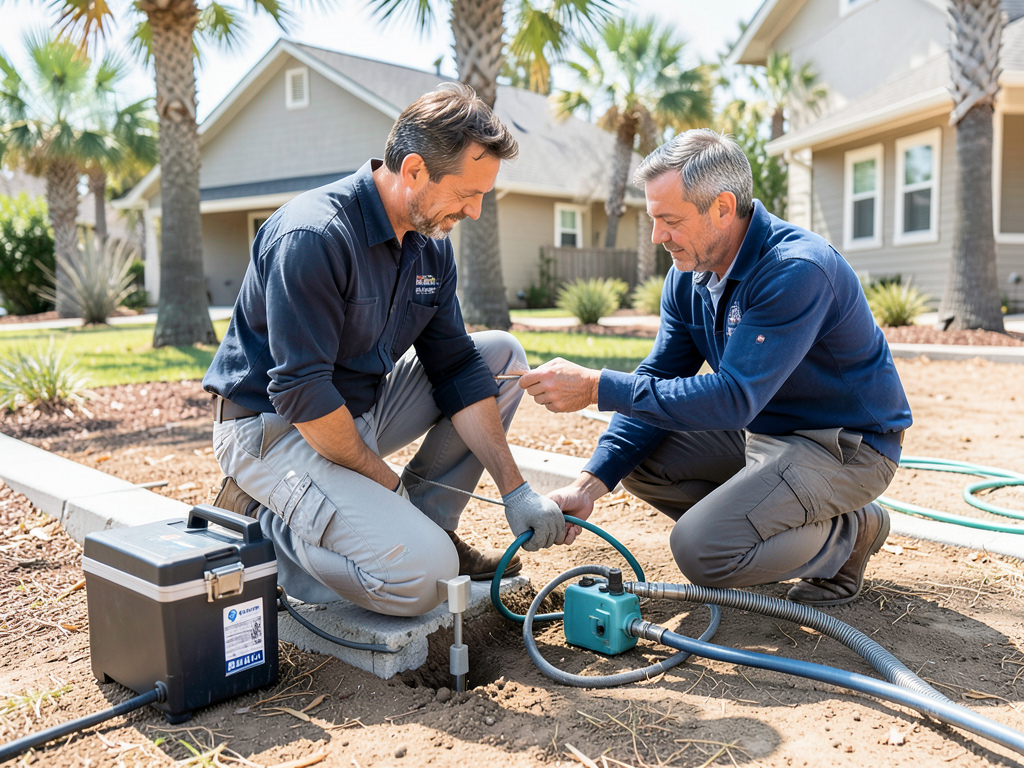
What to do when your Torrey Pines water bill suddenly skyrockets for no reason
Your water bill just jumped hundreds of dollars and you have no idea why. Maybe you’ve been careful about water use. Maybe nothing in your house seems different. But the numbers on your bill tell a different story. Dealing with Hard Water in Oceanside with a Professional Softener System.
A sudden spike in your water bill usually means one thing: water is flowing somewhere it shouldn’t. In Torrey Pines, this often happens because of hidden leaks in aging plumbing systems or irrigation failures that waste thousands of gallons before you notice. San Diego leak adjustment request form.
The first step is simple. Don’t panic. But don’t ignore it either. Every day you wait could mean more water waste and potential damage to your home.. Read more about Why You Should Upgrade Your Main Water Shut-Off Valve in Lemon Grove.
Here’s exactly what to do when your Torrey Pines water bill suddenly skyrockets for no reason.. Read more about How to get instant hot water in your Del Cerro home without wasting gallons down the drain.
Check for the most common causes of high water bills in Torrey Pines
Before calling a plumber, rule out the obvious problems that waste water every day.
Toilets are the biggest culprit. A worn flapper valve can let water leak from the tank to the bowl constantly. You might not hear it, but you could be losing 200 gallons per day. That’s over 6,000 gallons per month.. Read more about The Best Low-Flow Toilets and Showerheads for Imperial Beach Homes.
Check your toilet by putting a few drops of food coloring in the tank. Wait 15 minutes without flushing. If color appears in the bowl, you have a leak. How to Deal with a Slab Leak in Your Point Loma Home Without Destroying Your Floors.
Irrigation systems cause most outdoor water waste. A broken sprinkler head or cracked pipe underground can leak hundreds of gallons per day. In Torrey Pines, where many homes have large yards and complex irrigation, this is extremely common.. Read more about Fixing a leaky outdoor spigot before it ruins your Mountain View backyard.
Look for soggy spots in your yard, especially near sprinkler lines. Turn on your irrigation system and watch for geysers or water pooling where it shouldn’t be.
Water softeners stuck in regeneration mode waste massive amounts of water. If your softener runs constantly, it could be cycling water through without treating it.. Read more about Preventing a massive flood from your Otay Mesa laundry room pipes.
Swimming pools with auto-fill valves can leak slowly. A pinhole in the pool plumbing or a faulty auto-fill can add hundreds of gallons daily without you noticing.
Call (619) 304-5400 today to schedule your inspection if you can’t find the source of your high water bill.
How to read your San Diego water meter and detect hidden leaks
Your water meter is the best tool for finding hidden leaks. Here’s how to use it. Finding an Emergency Plumber in North Park Who Actually Picks Up the Phone.
First, locate your water meter. In Torrey Pines, most meters are in concrete boxes near the street with a metal lid labeled “Water.” You’ll need a screwdriver or meter key to open it.
Once open, you’ll see either an analog dial or a digital display. Look for a small triangle or wheel on the face. This is the leak indicator.
Here’s the test: Turn off every water source in your house. Every faucet, every toilet, every appliance. Make sure no one will use water for the next 30 minutes.
Check the leak indicator. If it’s moving, water is flowing somewhere. Even a tiny movement means a leak.
For digital meters, look for a flashing faucet icon or numbers that keep changing when no water is being used.
If the indicator moves, go to your main water shut-off valve. This is usually where the main line enters your house, often in a garage or near the water heater.
Turn off the main valve. Wait 30 seconds, then check the meter again. If the indicator stops, your leak is inside the house. If it keeps moving, the leak is in the underground supply line between the meter and your house.
Underground leaks are serious. They can undermine your foundation, cause sinkholes, and waste thousands of gallons before you notice.
Call (619) 304-5400 for professional leak detection before the problem gets worse.
Understanding San Diego’s tiered water rates and billing cycles
San Diego’s water rates aren’t simple. The City of San Diego Public Utilities Department uses a tiered system that charges more per unit as you use more water. City of San Diego Public Utilities Department.
Water is measured in HCF (hundred cubic feet). One HCF equals 748 gallons. The first tier might cost around $4.80 per HCF, but the fourth tier can exceed $8.50 per HCF.
Here’s how it works: If your household normally uses 15 HCF per month, you pay the lowest rate for all 15 units. But if a leak pushes you to 40 HCF, you pay the lowest rate for the first 15, a higher rate for the next 10, and the highest rate for the last 15.
That’s why a small leak can double or triple your bill. You’re not just paying for the extra water. You’re paying the highest rate for all the water above your normal usage.
San Diego also adjusts rates seasonally. Summer rates typically run 10-15% higher than winter rates because of increased demand and infrastructure costs.
Billing cycles vary. Some households are billed every 30 days, others every 60 days. A leak that starts right after a reading could run for 50-60 days before the next bill shows the problem.
The City of San Diego offers one-time adjustments for documented leaks, but you must repair the problem and submit proof within 60 days of the high bill.
Don’t wait for the next bill. Call (619) 304-5400 now to find and fix your leak.
Common plumbing problems in Torrey Pines that cause high bills
Torrey Pines has unique plumbing challenges due to its age and location.
Many homes here were built in the 1960s and 1970s. The original copper pipes are now 50-60 years old. Copper develops pinhole leaks from corrosion, especially in areas with hard water.
Hard water in San Diego contains high mineral content. Over time, minerals build up inside pipes, creating turbulence that wears through the copper from the inside out.
Pinhole leaks often start as tiny drips. They can run for months behind walls or under floors before causing visible damage. By then, you’ve wasted thousands of gallons.
Soil movement is another issue in Torrey Pines. The area has clay soil that expands when wet and contracts when dry. This movement can shear pipes, especially at joints or where pipes pass through concrete.
Older homes often have polybutylene pipes. This gray plastic piping was used extensively from the late 1970s through mid-1990s. It fails catastrophically when exposed to chlorine in municipal water.
Water pressure problems are common. Many Torrey Pines homes have pressure reducing valves (PRVs) that are now 20-30 years old. When PRVs fail, pressure can spike to 80-100 psi, causing pipes to burst or joints to fail.
Galvanized steel pipes in pre-1960 homes corrode from the inside. The rust buildup reduces water flow and creates weak spots that leak.
Call (619) 304-5400 for a comprehensive plumbing inspection to identify these aging system problems.
Slab leaks: The silent water waster destroying Torrey Pines homes
Slab leaks are the most dangerous type of hidden leak. They occur when pipes under your concrete foundation develop leaks.
In Torrey Pines, slab leaks often happen because of copper corrosion, soil movement, or poor initial installation. The pipes are buried in the slab during construction, making them impossible to see.
Warning signs of slab leaks include: warm spots on your floor, the sound of running water when everything is off, cracks in your foundation or walls, and unexpectedly high water bills.. Read more about Identifying the early warning signs of a pinhole leak in your Talmadge home.
Hot water slab leaks are most common. The hot water lines expand and contract more than cold lines, stressing the joints. They also corrode faster due to the higher temperature.
Slab leaks waste enormous amounts of water. A small leak can waste 100-200 gallons per day. A larger leak can waste 500+ gallons daily.
The water erodes the soil under your foundation. Over time, this can cause your slab to shift, creating more plumbing problems and structural damage.
Professional leak detection uses acoustic sensors and thermal imaging to locate slab leaks without destroying your floors. The process takes 1-2 hours and pinpoints the exact location.
Repair options include spot repair of the leaking section, rerouting the pipe overhead, or repiping the entire system. The best option depends on your home’s age and the condition of the remaining pipes.
Don’t let a slab leak destroy your home. Call (619) 304-5400 for expert detection and repair.
DIY leak detection: What you can check before calling a plumber
Before spending money on professional services, you can perform several checks yourself.
Start with your water heater. Check around the base for moisture. A leaking temperature and pressure relief valve or corroded tank can waste water constantly.
Inspect all visible pipes under sinks, in basements, and in crawl spaces. Look for corrosion, green deposits on copper, or moisture on pipe surfaces.
Check your water meter reading before bed and first thing in the morning. If the numbers change overnight with no water use, you have a leak.
Examine your irrigation controller. Make sure it’s programmed correctly and not running extra cycles. Check for error messages that might indicate valve problems.
Look at your water bill history. Most utilities provide 12-24 months of data online. A sudden jump compared to the same month last year often indicates a new leak.
Check for mold or mildew smells in bathrooms, kitchens, or laundry areas. Hidden leaks often cause moisture problems that create these odors.
Feel your walls and floors near plumbing fixtures. Cold or damp spots can indicate leaking pipes inside walls.
Test your main shut-off valve. Make sure it turns easily. If it’s stuck, you might need a plumber to replace it before you can isolate leaks.
If these checks don’t reveal the problem, you need professional help. Hidden leaks in walls, under slabs, or in underground pipes require specialized equipment to find.
Call (619) 304-5400 for professional leak detection equipment that finds leaks others miss.
When to call a San Diego leak detection expert
Some leak situations require professional equipment and expertise.
Call an expert if your water meter test shows a leak but you can’t find the source. This means the leak is hidden in walls, under floors, or underground.
If you hear water running but can’t locate it, you need acoustic leak detection. Professionals use sensitive microphones to hear the sound of water escaping through pipes.
When your water bill jumps more than 50% without explanation, professional diagnosis can save you thousands in wasted water and prevent property damage.
If you have a swimming pool that’s losing more than 1/4 inch of water per day, you might have a structural or plumbing leak that requires specialized testing.
Multiple plumbing problems occurring at once often indicate a systemic issue like high water pressure or failing pressure reducing valve. These require professional diagnosis.
Homes with polybutylene or galvanized steel pipes should be inspected regularly. These materials fail predictably and often cause multiple simultaneous leaks.
If your home is over 30 years old and has never had the plumbing inspected, a comprehensive evaluation can identify problems before they cause high bills or damage.
Commercial properties with high water usage need professional monitoring. A small leak in a commercial system can waste tens of thousands of gallons monthly.
Professional leak detection costs $200-400 but can save you thousands in wasted water and prevent catastrophic damage. Call (619) 304-5400 today.
San Diego Public Utilities Department leak adjustment policy
The City of San Diego offers one-time bill adjustments for documented leaks, but the process has specific requirements.
You must repair the leak first. The city will not adjust a bill if the problem is still active. Get a plumber’s invoice showing the repair date and what was fixed.
Submit your adjustment request within 60 days of the high bill date. Late requests are automatically denied.
You need to provide: the high bill in question, proof of repair from a licensed plumber, and documentation of the leak’s cause if known.
The adjustment typically covers the excess usage above your average consumption from the same period in the previous year. If you normally use 15 HCF and the leak pushed you to 40 HCF, you might get credit for the 25 HCF difference.
The city calculates the credit using the lowest tier rate, even if the excess usage was billed at higher tiers. This is the maximum possible credit.
For severe leaks causing extraordinary bills, you can request a payment plan when submitting your adjustment. The city often approves 6-12 month interest-free plans for approved adjustments.
Multi-family properties and commercial accounts have different adjustment policies. Commercial adjustments are evaluated case by case and often require more documentation.
If your adjustment is denied, you can appeal within 30 days. The appeal must include additional documentation or evidence not provided in the original request.
Keep all repair documentation. Call (619) 304-5400 for proper leak repair that satisfies the city’s adjustment requirements.
Preventing future water bill spikes in your Torrey Pines home
After fixing your current leak, take steps to prevent future problems.
Install smart water monitors that attach to your main line. These devices learn your normal usage patterns and alert you to unusual consumption within hours instead of waiting for the next bill.
Replace toilet flappers every 2-3 years. They’re cheap and wear out predictably. A $5 part can waste $500 in water if ignored.
Have your irrigation system inspected annually. A professional can find small problems before they waste thousands of gallons.
Check your water pressure annually. Install a pressure gauge on an outdoor faucet. Pressure should be 40-60 psi. Higher pressure stresses pipes and fixtures.
If your home has polybutylene or galvanized steel pipes, plan for replacement. These materials have known failure patterns and will cause problems.
Install water hammer arrestors if you hear banging pipes when faucets turn off. This shock can damage pipe joints over time.
Consider a whole-house water filtration system. San Diego’s hard water accelerates pipe corrosion and fixture wear.
Keep trees and large shrubs away from your water main. Roots can penetrate joints and cause underground leaks.
Know where your main shut-off valve is located. In an emergency, you can stop water flow immediately and prevent catastrophic damage.
Schedule annual plumbing inspections for homes over 20 years old. A professional can identify aging components before they fail.
Preventive maintenance costs less than emergency repairs. Call (619) 304-5400 to schedule your annual plumbing inspection.
Comparing water waste from common household leaks
Understanding the scale of different leaks helps you appreciate the urgency of repairs.
| Leak Type | Daily Water Waste | Monthly Cost Impact | Repair Urgency |
|---|---|---|---|
| Running toilet | 200-400 gallons | $50-100 | Within 1 week |
| Dripping faucet | 15-30 gallons | $5-15 | Within 1 month |
| Pinhole pipe leak | 50-150 gallons | $15-50 | Within 3 days |
| Slab leak (small) | 100-200 gallons | $30-80 | Within 24 hours |
| Slab leak (large) | 300-500+ gallons | $100-300+ | Immediately |
| Irrigation line break | 200-1000+ gallons | $60-300+ | Within 24 hours |
| Pool auto-fill stuck | 50-300 gallons | $15-100 | Within 1 week |
Even small leaks add up quickly. A toilet that runs continuously wastes enough water in a month to fill a typical swimming pool.
Underground leaks are the most expensive because they often go undetected for months. By the time you notice higher bills, you’ve already wasted thousands of gallons.
Hot water leaks cost more than cold water leaks because you’re also paying to heat the wasted water. A hot water slab leak can cost $200-400 monthly just in wasted energy.
The cost to repair most household leaks ranges from $150-500. Compare that to $100-400 monthly in wasted water and the choice becomes clear.
Don’t let a small leak become a big expense. Call (619) 304-5400 for fast, professional leak repair.
Frequently Asked Questions
How much water does a running toilet waste?
A continuously running toilet can waste 200-400 gallons per day, which equals 6,000-12,000 gallons monthly. That’s enough to fill a typical swimming pool every 2-3 months.
Can I get my water bill adjusted for a leak?
Yes, the City of San Diego offers one-time adjustments for documented leaks. You must repair the leak first, then submit proof of repair within 60 days of the high bill. The adjustment covers excess usage above your normal consumption.
How do I know if my leak is inside or outside?
Check your water meter, then turn off your main shut-off valve. If the meter stops moving, the leak is inside your house. If it keeps moving, the leak is in the underground supply line between the meter and your house.
What’s the most common cause of high water bills in older homes?
In Torrey Pines, the most common causes are slab leaks in aging copper pipes, failing toilet flappers, and underground irrigation breaks. Homes built before 1980 often have pipes nearing the end of their useful life.
How long can I wait to fix a small leak?
Don’t wait. Even small leaks waste hundreds of gallons monthly and often worsen over time. A pinhole leak can become a major break, causing water damage and much higher repair costs.
Do I need a permit to repair a water leak?
Most simple repairs like replacing toilet parts or fixing visible leaks don’t require permits. However, replacing water heaters, repiping, or repairing underground leaks typically require permits and inspections from the City of San Diego.
How much does professional leak detection cost?
Professional leak detection typically costs $200-400, depending on the complexity and location of the leak. This is far less than the cost of wasted water or property damage from an undetected leak.
Can a water leak cause foundation damage?
Yes. Underground leaks can erode soil under your foundation, causing settling, cracking, and structural damage. Hot water leaks are particularly damaging because they can create cavities that collapse suddenly.
What should I do if I find a leak at night?
Turn off your main water shut-off valve immediately to stop the water flow. Then call a 24/7 emergency plumber. Many companies, including Ace Plumbing, offer emergency service for after-hours leaks.
How can I prevent water leaks in the future?
Install smart water monitors, replace aging plumbing components, have annual inspections, maintain proper water pressure, and address small problems before they become major leaks. Preventive maintenance costs far less than emergency repairs.
Stop wasting water and money. Call (619) 304-5400 now to schedule your leak detection service.
{
“@context”: “https://schema.org”,
“@type”: “BlogPosting”,
“headline”: “What to do when your Torrey Pines water bill suddenly skyrockets for no reason”,
“description”: “Your Torrey Pines water bill jumped unexpectedly? Find hidden leaks, check your meter, and understand San Diego’s tiered rates. Call (619) 304-5400 for expert leak detection.”,
“wordCount”: 3083,
“datePublished”: “2026-03-26T13:51:00.000Z”,
“dateModified”: “2026-03-26T13:51:00.000Z”,
“inLanguage”: “en-US”,
“mainEntityOfPage”: {
“@type”: “WebPage”,
“@id”: “https://aceplumbingsandiego.com”
},
“publisher”: {
“@type”: “LocalBusiness”,
“name”: “Ace Plumbing San Diego”,
“url”: “https://aceplumbingsandiego.com”
},
“author”: {
“@type”: “Organization”,
“name”: “Ace Plumbing San Diego”,
“url”: “https://aceplumbingsandiego.com”
},
“image”: {
“@type”: “ImageObject”,
“url”: “https://aceplumbingsandiego.com/wp-content/uploads/2026/03/what-to-do-when-your-torrey-pines-water-bill-sudde-1.png”
}
}
{
“@context”: “https://schema.org”,
“@type”: “Plumber”,
“name”: “Ace Plumbing San Diego”,
“url”: “https://aceplumbingsandiego.com”,
“address”: {
“@type”: “PostalAddress”,
“addressLocality”: “San Diego”
},
“areaServed”: {
“@type”: “City”,
“name”: “San Diego”
}
}
{
“@context”: “https://schema.org”,
“@type”: “FAQPage”,
“mainEntity”: [
{
“@type”: “Question”,
“name”: “How much water does a running toilet waste?”,
“acceptedAnswer”: {
“@type”: “Answer”,
“text”: “A continuously running toilet can waste 200-400 gallons per day, which equals 6,000-12,000 gallons monthly. That’s enough to fill a typical swimming pool every 2-3 months.”
}
},
{
“@type”: “Question”,
“name”: “Can I get my water bill adjusted for a leak?”,
“acceptedAnswer”: {
“@type”: “Answer”,
“text”: “Yes, the City of San Diego offers one-time adjustments for documented leaks. You must repair the leak first, then submit proof of repair within 60 days of the high bill. The adjustment covers excess usage above your normal consumption.”
}
},
{
“@type”: “Question”,
“name”: “How do I know if my leak is inside or outside?”,
“acceptedAnswer”: {
“@type”: “Answer”,
“text”: “Check your water meter, then turn off your main shut-off valve. If the meter stops moving, the leak is inside your house. If it keeps moving, the leak is in the underground supply line between the meter and your house.”
}
},
{
“@type”: “Question”,
“name”: “What’s the most common cause of high water bills in older homes?”,
“acceptedAnswer”: {
“@type”: “Answer”,
“text”: “In Torrey Pines, the most common causes are slab leaks in aging copper pipes, failing toilet flappers, and underground irrigation breaks. Homes built before 1980 often have pipes nearing the end of their useful life.”
}
},
{
“@type”: “Question”,
“name”: “How long can I wait to fix a small leak?”,
“acceptedAnswer”: {
“@type”: “Answer”,
“text”: “Don’t wait. Even small leaks waste hundreds of gallons monthly and often worsen over time. A pinhole leak can become a major break, causing water damage and much higher repair costs.”
}
},
{
“@type”: “Question”,
“name”: “Do I need a permit to repair a water leak?”,
“acceptedAnswer”: {
“@type”: “Answer”,
“text”: “Most simple repairs like replacing toilet parts or fixing visible leaks don’t require permits. However, replacing water heaters, repiping, or repairing underground leaks typically require permits and inspections from the City of San Diego.”
}
},
{
“@type”: “Question”,
“name”: “How much does professional leak detection cost?”,
“acceptedAnswer”: {
“@type”: “Answer”,
“text”: “Professional leak detection typically costs $200-400, depending on the complexity and location of the leak. This is far less than the cost of wasted water or property damage from an undetected leak.”
}
},
{
“@type”: “Question”,
“name”: “Can a water leak cause foundation damage?”,
“acceptedAnswer”: {
“@type”: “Answer”,
“text”: “Yes. Underground leaks can erode soil under your foundation, causing settling, cracking, and structural damage. Hot water leaks are particularly damaging because they can create cavities that collapse suddenly.”
}
},
{
“@type”: “Question”,
“name”: “What should I do if I find a leak at night?”,
“acceptedAnswer”: {
“@type”: “Answer”,
“text”: “Turn off your main water shut-off valve immediately to stop the water flow. Then call a 24/7 emergency plumber. Many companies, including Ace Plumbing, offer emergency service for after-hours leaks.”
}
},
{
“@type”: “Question”,
“name”: “How can I prevent water leaks in the future?”,
“acceptedAnswer”: {
“@type”: “Answer”,
“text”: “Install smart water monitors, replace aging plumbing components, have annual inspections, maintain proper water pressure, and address small problems before they become major leaks. Preventive maintenance costs far less than emergency repairs.”
}
}
]
}
{
“@context”: “https://schema.org”,
“@type”: “BreadcrumbList”,
“itemListElement”: [
{
“@type”: “ListItem”,
“position”: 1,
“name”: “Home”,
“item”: “https://aceplumbingsandiego.com”
},
{
“@type”: “ListItem”,
“position”: 2,
“name”: “Blog”,
“item”: “https://aceplumbingsandiego.com/blog”
},
{
“@type”: “ListItem”,
“position”: 3,
“name”: “What to do when your Torrey Pines water bill suddenly skyrockets for no reason”
}
]
}
{
“@context”: “https://schema.org”,
“@type”: “Service”,
“serviceType”: “Plumbing”,
“provider”: {
“@type”: “LocalBusiness”,
“name”: “Ace Plumbing San Diego”,
“url”: “https://aceplumbingsandiego.com”
},
“areaServed”: {
“@type”: “City”,
“name”: “San Diego”
},
“description”: “Your Torrey Pines water bill jumped unexpectedly? Find hidden leaks, check your meter, and understand San Diego’s tiered rates. Call (619) 304-5400 for expert leak detection.”
}