
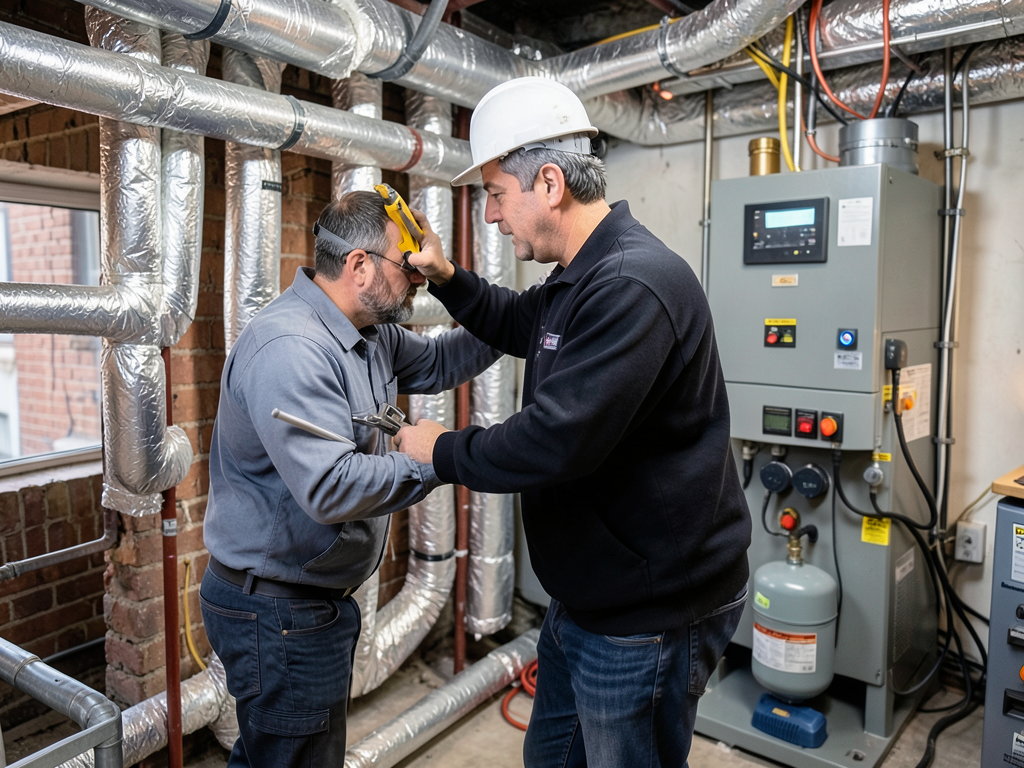
What East Village loft owners need to know about preventing burst pipes during a cold snap
East Village loft owners need to know about preventing burst pipes during a cold snap. While San Diego rarely experiences freezing temperatures, even a brief cold snap can cause pipes to burst when water expands inside them. The combination of East Village’s historic buildings, older plumbing systems, and the occasional overnight temperature drop below 40°F creates a perfect storm for potential water damage. Dealing with Hard Water in Oceanside with a Professional Softener System.
East Village’s converted warehouses and lofts often have exposed plumbing in uninsulated walls, basements, or mechanical rooms. When temperatures dip, these pipes become vulnerable. The hard water common in San Diego also contributes to mineral buildup inside pipes, reducing their ability to expand slightly without cracking. How to Deal with a Slab Leak in Your Point Loma Home Without Destroying Your Floors.
Understanding these risks is the first step toward prevention. The next sections cover specific actions East Village loft owners can take before, during, and after a cold snap to protect their property from costly water damage.
Understanding East Village’s unique plumbing risks
East Village’s historic buildings present specific challenges for modern plumbing. Many lofts occupy structures built in the early 1900s, when building codes and materials were different from today’s standards. These older buildings often have galvanized steel pipes that corrode from the inside out, creating weak spots that can fail under pressure changes.
The neighborhood’s elevation and proximity to downtown create a microclimate that can be 5-10 degrees cooler than coastal areas like Pacific Beach or Mission Bay. This temperature difference matters when overnight lows approach freezing. East Village’s concrete and steel structures also retain cold longer than wood-frame buildings, keeping pipes colder for extended periods.. Read more about Protecting your Pacific Highlands Ranch smart home with a Moen Flo or Phyn leak detector.
Many East Village lofts have converted industrial plumbing systems that weren’t designed for residential use. These systems often have higher water pressure than modern homes, which increases stress on pipes during temperature fluctuations. The California Plumbing Code Section 604 requires pressure-reducing valves for systems exceeding 80 PSI, but many older buildings haven’t been updated to meet this standard. California Plumbing Code Section 604.
Hard water in San Diego causes mineral deposits to accumulate inside pipes over time. This buildup reduces the pipe’s internal diameter and makes it more susceptible to bursting when water freezes and expands. A pipe with significant scale buildup might fail at just 28°F, while a clean pipe could withstand slightly lower temperatures.
Step-by-step prevention for East Village lofts
Preventing burst pipes requires a systematic approach. Start by identifying all exposed plumbing in your loft, including pipes in utility closets, behind access panels, and in mechanical rooms. Pay special attention to pipes running along exterior walls or in unheated spaces.
Insulate exposed pipes using foam pipe insulation sleeves. These cost about $2-5 per six-foot section and can be installed with simple tools. Focus on pipes in basements, crawl spaces, and along exterior walls. For added protection, wrap pipes with heat tape before adding insulation. Heat tape maintains a temperature just above freezing, preventing ice formation.
Check your water pressure using a simple pressure gauge available at hardware stores for under $10. Attach it to an outdoor spigot and turn on the water. If the pressure reads above 80 PSI, you need a pressure-reducing valve installed. High pressure stresses pipes and makes them more likely to burst when water freezes.
Locate your main water shut-off valve before an emergency occurs. In East Village lofts, this is often in a utility closet, basement, or mechanical room. Test the valve to ensure it turns easily. During a cold snap, if you suspect a pipe is freezing, shut off the water supply immediately to prevent flooding if the pipe bursts. Finding an Emergency Plumber in North Park Who Actually Picks Up the Phone.
Keep cabinet doors open under sinks, especially those on exterior walls. This allows warm air to circulate around pipes. For lofts with particularly vulnerable plumbing, consider leaving a small trickle of water running overnight when temperatures drop below 35°F. Moving water is much less likely to freeze than standing water.
Professional maintenance for East Village properties
Annual plumbing inspections can identify vulnerabilities before they cause problems. A licensed plumber can check for signs of corrosion, test water pressure, and inspect insulation. They can also identify pipes that may need replacement due to age or damage from San Diego’s hard water.
Consider installing a whole-house water softener if you haven’t already. Softened water reduces mineral buildup in pipes, extending their lifespan and making them more resistant to freezing damage. The initial investment of $1,500-3,000 can save thousands in potential water damage repairs.
For lofts with complex plumbing systems, a professional can install temperature sensors that alert you when pipes approach freezing temperatures. These systems can send notifications to your phone, allowing you to take preventive action before damage occurs.
Hydro-jetting services can remove years of mineral buildup from pipes. This process uses high-pressure water to clean the inside of pipes, restoring their full diameter and improving water flow. Clean pipes are less likely to burst because they can better accommodate the slight expansion that occurs when water begins to freeze. Why Hydro Jetting is the Only Real Solution for Carlsbad Sewer Line Issues.
If your loft has a tankless water heater mounted on an exterior wall, ensure it has proper freeze protection. Many modern units have built-in freeze prevention, but older models may need additional insulation or heat tape. The cost of adding freeze protection is minimal compared to replacing a burst tankless heater.
Emergency protocol if a pipe bursts
Even with prevention, pipes can still burst. Knowing what to do immediately can minimize damage. First, locate and shut off your main water valve. This stops additional water from flooding your loft. If you can’t find the main valve or it’s stuck, use the street-side shut-off valve, which may require a special wrench available at hardware stores.
Next, turn off electricity to any areas with water damage. Water and electricity create a serious hazard. If water is near electrical panels or outlets, stay clear and call an electrician. Your safety is more important than saving property. City of San Diego Water Department.
Document the damage with photos and videos before beginning cleanup. This documentation is crucial for insurance claims. Most homeowner’s insurance covers sudden water damage from burst pipes, but you’ll need evidence of the extent and cause of the damage.
Remove standing water immediately using wet vacuums, mops, or towels. The longer water sits, the more damage it causes. Within 24-48 hours, standing water can lead to mold growth, which creates additional health hazards and repair costs.
Call a 24/7 emergency plumber immediately. In East Village, response times can vary based on traffic and demand. Having a trusted plumber’s number saved in your phone saves valuable time. Look for plumbers who offer emergency services and can arrive within an hour of your call.
Local resources for East Village loft owners
The City of San Diego Water Department provides resources for property owners dealing with plumbing emergencies. Their 24-hour emergency line can help with questions about water service interruptions and provide guidance on reporting major leaks that affect multiple properties.
East Village’s proximity to downtown means traffic can significantly impact emergency response times. During rush hour or special events at Petco Park, travel times can double. Plan accordingly by having emergency supplies and knowing your shut-off valve location before problems arise.
Many East Village buildings have homeowners associations or property management companies that maintain common plumbing systems. If you’re a tenant or owner, know who to contact for building-wide plumbing issues. Some problems may require coordination with building management rather than individual action. Why La Jolla Homeowners are Switching to Tankless Water Heaters This Year.
Local hardware stores like Home Depot on Imperial Avenue or Lowe’s in Mission Valley stock emergency plumbing supplies. Keep basic items on hand: pipe repair clamps, plumber’s tape, buckets, and absorbent materials. These can provide temporary fixes until professional help arrives.
Consider joining East Village community groups on social media. These platforms often share real-time information about weather conditions, traffic impacts, and local service availability during emergencies. Community knowledge can be invaluable during unexpected situations.
Comparing prevention methods and costs
| Prevention Method | Cost Range | DIY Difficulty | Effectiveness Rating |
|---|---|---|---|
| Foam Pipe Insulation | $50-200 | Easy | Good |
| Heat Tape Installation | $100-400 | Moderate | Very Good |
| Pressure Reducing Valve | $300-800 | Difficult | Excellent |
| Professional Inspection | $150-350 | N/A | Good |
| Whole-House Water Softener | $1,500-3,000 | Professional | Excellent |
Common symptoms of pipe problems in East Village
Recognizing early warning signs can prevent burst pipes. Listen for unusual sounds in your plumbing system. Banging or knocking noises when you turn water on or off often indicate water hammer, which puts stress on pipes and joints. This pressure surge can cause pipes to fail, especially in older East Village buildings.
Check for water pressure fluctuations. If your shower pressure varies dramatically or your faucets sputter, you may have mineral buildup or pipe damage. These pressure changes can make pipes more vulnerable to bursting during temperature drops.
Look for water stains on ceilings or walls, especially in lofts with upper-floor neighbors. A small, slow leak can indicate pipe corrosion that might lead to a major burst during cold weather. Address these issues promptly with professional help.
Pay attention to your water heater’s performance. If it struggles to maintain temperature or makes unusual noises, mineral buildup could be affecting its efficiency. This same buildup occurs in your pipes, reducing their ability to handle pressure changes.
Monitor your water bill for unexplained increases. A hidden leak, even a small one, wastes water and indicates pipe problems that could worsen during cold snaps. Early detection saves money and prevents emergencies.
Protecting East Village’s historic character while preventing damage
East Village’s historic buildings require special consideration when making plumbing updates. Many lofts are in structures eligible for or listed on the National Register of Historic Places. Any modifications must balance modern functionality with historic preservation guidelines.
When insulating pipes in historic buildings, use reversible methods that don’t damage original materials. Avoid adhesives on historic woodwork or plaster. Instead, use mechanical fasteners or temporary solutions that can be removed without leaving marks.
Consider the visual impact of prevention measures. In lofts with exposed brick or original architectural features, visible insulation or heat tape might detract from the historic character. Work with preservation specialists to find solutions that protect both pipes and aesthetics.
Some East Village buildings have original plumbing fixtures that are themselves historic elements. When upgrading systems, try to preserve these fixtures or document them before replacement. Many historic fixtures can be retrofitted with modern internal components while maintaining their exterior appearance.
Building codes in historic districts may have specific requirements for plumbing modifications. Check with the City of San Diego Development Services Department before making major changes. They can advise on code compliance while respecting historic preservation goals.. Read more about Why Midway District condo owners need to worry about shared vertical plumbing stacks.
East Village loft insurance considerations
Review your insurance policy to understand what water damage is covered. Most standard policies cover sudden, accidental water damage from burst pipes but may exclude damage from freezing if you haven’t taken reasonable preventive measures. Document your prevention efforts to support any future claims.
Consider adding water damage riders to your policy for additional protection. These riders can cover costs that standard policies exclude, such as temporary housing during repairs or replacement of damaged personal property. The additional premium is often worth the expanded coverage.
Keep records of all plumbing maintenance and upgrades. Insurance companies may require proof that you’ve properly maintained your plumbing system before paying claims. Save receipts, inspection reports, and photos of prevention measures you’ve implemented.
Understand your deductible amounts for different types of water damage. Some policies have separate deductibles for pipe bursts versus other water damage. Knowing these amounts helps you make informed decisions during emergencies.
If you’re a renter in an East Village loft, your renter’s insurance may not cover damage to the building’s plumbing. However, it should cover your personal property damaged by water. Clarify these details with your insurance provider to avoid surprises during emergencies.. Read more about What Burlingame homeowners should know about replacing vintage galvanized steel pipes.
Seasonal preparation timeline
Prepare your East Village loft plumbing before cold weather arrives. In San Diego, this means taking action in late October or early November, even though true freezing temperatures are rare. Early preparation ensures you’re ready for any unexpected cold snaps.
October: Schedule professional plumbing inspection and pressure testing. This gives you time to address any issues before winter.
November: Install insulation on exposed pipes and check heat tape functionality. Test your main water shut-off valve to ensure it works properly.
December-February: Monitor weather forecasts for temperature drops below 35°F. When cold weather is predicted, take additional precautions like opening cabinet doors and considering a slight water trickle.
March-April: Remove temporary insulation from outdoor spigots and restore normal water flow to any pipes you may have adjusted during cold weather.
Year-round: Maintain your water softener, check for leaks monthly, and address any plumbing issues promptly rather than waiting for them to become emergencies.
Technology solutions for modern loft protection
Smart home technology offers advanced protection for East Village lofts. Smart water sensors can detect leaks anywhere in your home and send instant alerts to your phone. Place these sensors near water heaters, under sinks, and in mechanical rooms for comprehensive coverage.
Smart water shut-off valves automatically turn off your water supply when they detect unusual flow patterns that might indicate a burst pipe. These systems can prevent thousands of gallons of water damage by stopping the flow within seconds of a pipe failure.
Wi-Fi connected thermostats can help maintain consistent temperatures in your loft, preventing cold spots where pipes might freeze. Some systems can even learn your schedule and adjust temperatures automatically to protect vulnerable plumbing.
Leak detection systems that integrate with your home automation can provide peace of mind when you’re away. These systems can notify you of problems while you’re at work or traveling, allowing you to call for help before extensive damage occurs.
While these technologies require initial investment, they can save money long-term by preventing costly water damage. Many insurance companies offer discounts for homes with certified leak detection systems, offsetting some of the installation costs.
Building community resilience in East Village
East Village’s close-knit community can be a valuable resource during plumbing emergencies. Consider organizing a neighborhood preparedness group where residents share information about reliable contractors, weather alerts, and prevention strategies.
Share resources with neighbors who might need help with prevention measures. Some residents may lack the physical ability or tools to insulate pipes or install heat tape. Community cooperation ensures everyone’s property is protected.
Document and share information about recurring problems in specific buildings or areas. If certain blocks experience more plumbing issues due to age or design, collective action might be needed to address these systemic problems.
Support local businesses that provide emergency services. Having reliable, nearby contractors available during emergencies benefits the entire community. Share positive experiences and recommendations to build a network of trusted service providers.
Participate in East Village community meetings and discussions about infrastructure improvements. Collective advocacy for updated plumbing systems and better building maintenance can benefit all residents and prevent future emergencies.
Frequently Asked Questions
How cold does it need to get for pipes to burst in San Diego?
Pipes typically begin to freeze when temperatures drop below 32°F, but in San Diego’s climate, they can burst at slightly higher temperatures due to factors like high water pressure, mineral buildup, and lack of insulation. East Village lofts with exposed plumbing in unheated spaces may experience problems when overnight lows approach 35-40°F.
Should I turn off my water main during a cold snap?
Only turn off your water main if you suspect a pipe is freezing or if you’ll be away during extremely cold weather. For most cold snaps in San Diego, keeping water flowing at a slight trickle through vulnerable faucets is sufficient protection. Turning off the main water cuts off your entire supply and may not be necessary for typical East Village temperature drops.
How much does it cost to fix a burst pipe in East Village?
The cost to repair a burst pipe varies widely depending on location, extent of damage, and accessibility. Simple repairs might cost $150-300, while extensive damage requiring wall demolition and water damage restoration can exceed $5,000. Emergency after-hours service typically adds 50-100% to standard rates.
Can I claim water damage from a burst pipe on my insurance?
Most standard homeowner’s insurance policies cover sudden, accidental water damage from burst pipes. However, damage from freezing may be excluded if you haven’t taken reasonable preventive measures. Review your policy details and document your prevention efforts to support any claims. Renters insurance typically covers personal property damage but not building repairs.
How long does it take to repair a burst pipe?
Simple pipe repairs can be completed in 1-2 hours. However, if the burst pipe is in a wall or requires water damage restoration, the process may take several days. Emergency plumbers can often stop active leaks within an hour of arrival, but complete repairs depend on damage extent and parts availability.
What should I do first if I discover a burst pipe?
Immediately shut off your main water valve to stop flooding. Then turn off electricity to affected areas if water is near outlets or panels. Document damage with photos before cleanup. Remove standing water if safe to do so, then call a 24/7 emergency plumber. Quick action minimizes damage and repair costs.
Are tankless water heaters more vulnerable to freezing?
Tankless water heaters mounted on exterior walls can be vulnerable to freezing if they lack proper freeze protection. Many modern units have built-in freeze prevention, but older models may need additional insulation or heat tape. The cost of adding freeze protection is minimal compared to replacing a burst tankless heater.
How can I tell if my pipes are already damaged?
Signs of pipe damage include water pressure fluctuations, unusual sounds when water runs, water stains on walls or ceilings, higher than normal water bills, and visible corrosion on exposed pipes. If you notice any of these signs, have a professional inspection before cold weather arrives to prevent potential bursts.
Take action before the next cold snap hits
Protecting your East Village loft from burst pipes requires proactive preparation. The combination of San Diego’s occasional cold snaps, East Village’s historic buildings, and the neighborhood’s specific microclimate creates unique risks that demand attention. Simple prevention measures can save you thousands in potential water damage repairs.
Start with a professional plumbing inspection to identify vulnerabilities specific to your loft. Install proper insulation on exposed pipes, check your water pressure, and locate your main shut-off valve. These steps take a few hours but provide years of protection.
Don’t wait until temperatures drop to take action. By then, it may be too late to prevent damage. Call (619) 304-5400 today to schedule your plumbing inspection and winterization service. Our experienced technicians understand East Village’s unique challenges and can recommend the most effective prevention strategies for your specific property.
Remember, a small investment in prevention now can prevent major headaches and expenses later. East Village’s historic character deserves protection, and so does your peace of mind. Pick up the phone and call (619) 304-5400 before the next cold snap hits.
Your loft’s plumbing system works hard every day. Give it the protection it needs to handle whatever weather comes our way. Call (619) 304-5400 today and join the many East Village residents who sleep soundly knowing their property is protected from water damage.
You may also find this helpful. Why your Barrio Logan loft conversion might need a sewer ejector pump.
{
“@context”: “https://schema.org”,
“@type”: “BlogPosting”,
“headline”: “What East Village loft owners need to know about preventing burst pipes during a cold snap”,
“description”: “East Village loft owners need to know about preventing burst pipes during a cold snap”,
“wordCount”: 3279,
“datePublished”: “2026-04-10T10:37:00.000Z”,
“dateModified”: “2026-04-10T10:37:00.000Z”,
“inLanguage”: “en-US”,
“mainEntityOfPage”: {
“@type”: “WebPage”,
“@id”: “https://aceplumbingsandiego.com”
},
“publisher”: {
“@type”: “LocalBusiness”,
“name”: “Ace Plumbing San Diego”,
“url”: “https://aceplumbingsandiego.com”
},
“author”: {
“@type”: “Organization”,
“name”: “Ace Plumbing San Diego”,
“url”: “https://aceplumbingsandiego.com”
},
“image”: {
“@type”: “ImageObject”,
“url”: “https://aceplumbingsandiego.com/wp-content/uploads/2026/03/what-east-village-loft-owners-need-to-know-about-p-1.png”
}
}
{
“@context”: “https://schema.org”,
“@type”: “Plumber”,
“name”: “Ace Plumbing San Diego”,
“url”: “https://aceplumbingsandiego.com”,
“address”: {
“@type”: “PostalAddress”,
“addressLocality”: “San Diego”
},
“areaServed”: {
“@type”: “City”,
“name”: “San Diego”
}
}
{
“@context”: “https://schema.org”,
“@type”: “FAQPage”,
“mainEntity”: [
{
“@type”: “Question”,
“name”: “How cold does it need to get for pipes to burst in San Diego?”,
“acceptedAnswer”: {
“@type”: “Answer”,
“text”: “Pipes typically begin to freeze when temperatures drop below 32°F, but in San Diego’s climate, they can burst at slightly higher temperatures due to factors like high water pressure, mineral buildup, and lack of insulation. East Village lofts with exposed plumbing in unheated spaces may experience problems when overnight lows approach 35-40°F.”
}
},
{
“@type”: “Question”,
“name”: “Should I turn off my water main during a cold snap?”,
“acceptedAnswer”: {
“@type”: “Answer”,
“text”: “Only turn off your water main if you suspect a pipe is freezing or if you’ll be away during extremely cold weather. For most cold snaps in San Diego, keeping water flowing at a slight trickle through vulnerable faucets is sufficient protection. Turning off the main water cuts off your entire supply and may not be necessary for typical East Village temperature drops.”
}
},
{
“@type”: “Question”,
“name”: “How much does it cost to fix a burst pipe in East Village?”,
“acceptedAnswer”: {
“@type”: “Answer”,
“text”: “The cost to repair a burst pipe varies widely depending on location, extent of damage, and accessibility. Simple repairs might cost $150-300, while extensive damage requiring wall demolition and water damage restoration can exceed $5,000. Emergency after-hours service typically adds 50-100% to standard rates.”
}
},
{
“@type”: “Question”,
“name”: “Can I claim water damage from a burst pipe on my insurance?”,
“acceptedAnswer”: {
“@type”: “Answer”,
“text”: “Most standard homeowner’s insurance policies cover sudden, accidental water damage from burst pipes. However, damage from freezing may be excluded if you haven’t taken reasonable preventive measures. Review your policy details and document your prevention efforts to support any claims. Renters insurance typically covers personal property damage but not building repairs.”
}
},
{
“@type”: “Question”,
“name”: “How long does it take to repair a burst pipe?”,
“acceptedAnswer”: {
“@type”: “Answer”,
“text”: “Simple pipe repairs can be completed in 1-2 hours. However, if the burst pipe is in a wall or requires water damage restoration, the process may take several days. Emergency plumbers can often stop active leaks within an hour of arrival, but complete repairs depend on damage extent and parts availability.”
}
},
{
“@type”: “Question”,
“name”: “What should I do first if I discover a burst pipe?”,
“acceptedAnswer”: {
“@type”: “Answer”,
“text”: “Immediately shut off your main water valve to stop flooding. Then turn off electricity to affected areas if water is near outlets or panels. Document damage with photos before cleanup. Remove standing water if safe to do so, then call a 24/7 emergency plumber. Quick action minimizes damage and repair costs.”
}
},
{
“@type”: “Question”,
“name”: “Are tankless water heaters more vulnerable to freezing?”,
“acceptedAnswer”: {
“@type”: “Answer”,
“text”: “Tankless water heaters mounted on exterior walls can be vulnerable to freezing if they lack proper freeze protection. Many modern units have built-in freeze prevention, but older models may need additional insulation or heat tape. The cost of adding freeze protection is minimal compared to replacing a burst tankless heater.”
}
},
{
“@type”: “Question”,
“name”: “How can I tell if my pipes are already damaged?”,
“acceptedAnswer”: {
“@type”: “Answer”,
“text”: “Signs of pipe damage include water pressure fluctuations, unusual sounds when water runs, water stains on walls or ceilings, higher than normal water bills, and visible corrosion on exposed pipes. If you notice any of these signs, have a professional inspection before cold weather arrives to prevent potential bursts.”
}
}
]
}
{
“@context”: “https://schema.org”,
“@type”: “BreadcrumbList”,
“itemListElement”: [
{
“@type”: “ListItem”,
“position”: 1,
“name”: “Home”,
“item”: “https://aceplumbingsandiego.com”
},
{
“@type”: “ListItem”,
“position”: 2,
“name”: “Blog”,
“item”: “https://aceplumbingsandiego.com/blog”
},
{
“@type”: “ListItem”,
“position”: 3,
“name”: “What East Village loft owners need to know about preventing burst pipes during a cold snap”
}
]
}
{
“@context”: “https://schema.org”,
“@type”: “Service”,
“serviceType”: “Plumbing”,
“provider”: {
“@type”: “LocalBusiness”,
“name”: “Ace Plumbing San Diego”,
“url”: “https://aceplumbingsandiego.com”
},
“areaServed”: {
“@type”: “City”,
“name”: “San Diego”
},
“description”: “East Village loft owners need to know about preventing burst pipes during a cold snap”
}