
Moving from Septic to City Sewer in Winter Gardens (What the Process Actually Looks Like)
If you live in Winter Gardens and own a property with a septic system, you’re probably aware that connecting to the city sewer is becoming more common. The process might seem overwhelming, but understanding what actually happens from start to finish can save you time, money, and stress. This guide walks you through the real-world steps of converting your Winter Gardens home from septic to municipal sewer, with specific details about local requirements and what to expect. City of San Diego Development Services Department.
Winter Gardens residents often face unique challenges due to the area’s soil composition and older infrastructure. Many properties here were built before municipal sewer lines extended this far, making septic systems the original solution. Now, with newer developments and improved city services, more homeowners are making the switch. Why La Jolla Homeowners are Switching to Tankless Water Heaters This Year.
The first thing to know is that this isn’t a weekend DIY project. It requires permits, inspections, and coordination with both the county and city agencies. The process typically takes 4-8 weeks from start to finish, depending on permit approval times and the complexity of your property’s layout.
Why Winter Gardens Homeowners Choose to Convert
Several factors drive the decision to convert from septic to sewer in Winter Gardens. Property values often increase after conversion since sewer connection is seen as a modern upgrade. Maintenance becomes simpler too – no more septic tank pumping every 3-5 years or worrying about system failures.
Environmental concerns also play a role. Older septic systems can leach into groundwater, especially in areas with high water tables or expansive clay soils common in parts of Winter Gardens. Converting to sewer eliminates this risk entirely. Dealing with Hard Water in Oceanside with a Professional Softener System.
Another consideration is property expansion. If you’re planning to add square footage, convert a garage, or build an ADU, having sewer access makes the permitting process much smoother. County regulations often require sewer connection before approving major renovations on properties near existing lines.. Read more about Why Your Fairmount Park Garage Smells Like a Sewer (And How to Stop It).
Step 1: The Initial Property Assessment
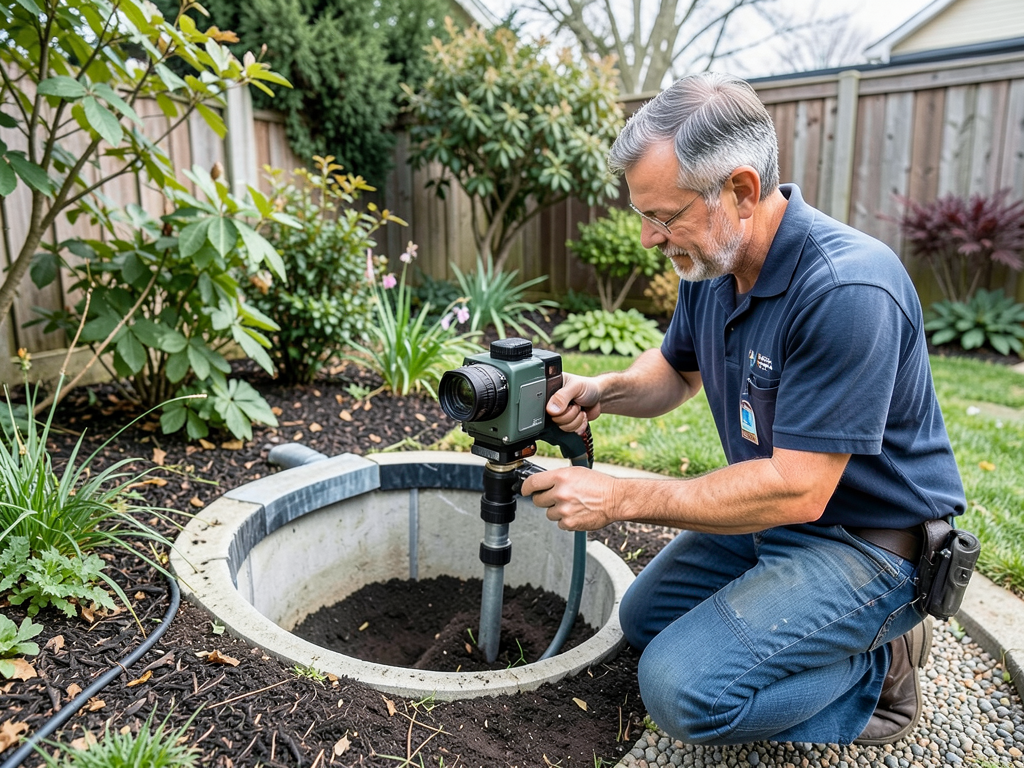
Before anything else happens, a licensed plumber needs to assess your property. This involves locating your existing septic tank, drain field, and any related components. In Winter Gardens, many septic systems are buried under mature landscaping or concrete, making this step crucial.
The assessment also includes determining the distance to the nearest city sewer main. Winter Gardens properties vary widely – some are within 50 feet of a sewer line, while others might be 200+ feet away. This distance directly impacts the project’s complexity and cost.
During this phase, the plumber will also check your property’s elevation relative to the sewer main. Gravity-fed systems work best when your home sits lower than the sewer line. If your property is uphill, you’ll need a pump system, which adds another layer of complexity.
Step 2: Permit Applications and Local Requirements
San Diego County requires several permits for septic-to-sewer conversion. The process starts with the Development Services Department, which reviews your property’s zoning and determines if sewer connection is even possible from your location. San Diego County Septic System Information.
You’ll need a plumbing permit from the City of San Diego, even though Winter Gardens sits in an unincorporated area. This is because the sewer connection involves city infrastructure. The permit process typically takes 2-3 weeks and requires detailed site plans showing the proposed work.
Environmental Health also gets involved, especially for the septic tank abandonment phase. They need to verify that your old system won’t contaminate groundwater after removal. This inspection is mandatory and cannot be skipped, regardless of how old or small your septic system is.
Step 3: Septic Tank Abandonment Procedures
Once permits are approved, the first major construction task is properly abandoning your septic tank. This isn’t as simple as pumping it out and covering it up. San Diego County Code Section 83.37.4 requires specific procedures to prevent future sinkholes or contamination.
The process starts with pumping out all remaining waste. Then, the tank gets cleaned and inspected for cracks. Any damaged sections need repair before proceeding. Next, the tank is either crushed in place or completely removed, depending on its condition and your property’s future plans.
After crushing or removal, the cavity gets filled with sand or gravel. This prevents settling and provides stability for whatever goes on top – whether that’s new landscaping, a patio, or just restored lawn. The entire area gets compacted in layers to ensure proper density.
Step 4: Installing the New Sewer Lateral
With the septic system handled, attention turns to installing the new sewer lateral – the pipe that connects your home to the city main. In Winter Gardens, this often means trenching through clay soil or navigating around mature tree roots.
Traditional trenching is common, but many Winter Gardens properties now opt for trenchless methods like pipe bursting or directional drilling. These techniques minimize landscape damage and can be completed faster, though they cost more upfront. The choice depends on your property’s specific conditions and your budget.
The new lateral must meet San Diego plumbing code requirements, including proper slope (typically 1/4 inch per foot) and cleanouts at specific intervals. PVC pipe is standard, but in areas with expansive soil, flexible piping might be recommended to prevent cracking from ground movement.
Step 5: Connecting to the City Sewer Main
The final connection to the city sewer main requires coordination with public works crews. This step often happens on a Saturday or Sunday when traffic is lighter, especially if your connection is on a main road in Winter Gardens.
A tapping saddle or wye fitting gets installed on the existing sewer main. This connection must be watertight and properly aligned to prevent future issues. The city requires this work to be done by a licensed contractor familiar with municipal connection standards.
After connection, the new lateral gets pressure tested to ensure there are no leaks. This test is mandatory before the city will approve the final connection. Any failures mean digging up and repairing the affected section before retesting.
Step 6: Final Inspections and Approvals
With all the physical work complete, the final step involves inspections from multiple agencies. The city plumbing inspector checks the new lateral installation, while Environmental Health verifies the septic abandonment was done correctly.
Once both inspections pass, you’ll receive a final approval letter. This document is important for your records and may be needed if you sell your home in the future. Some homeowners also choose to have their property re-surveyed to update the septic system’s status on official records.
During this phase, you’ll also need to contact your local sewage authority to update your account information. They’ll typically charge a connection fee and may require a deposit, depending on your usage history and credit.
Cost Factors for Winter Gardens Conversions
Conversion costs vary widely based on several factors specific to Winter Gardens properties. The distance to the sewer main is the biggest variable – properties within 75 feet might spend $8,000-$12,000, while those 200+ feet away could see costs of $15,000-$25,000 or more.
Soil conditions significantly impact pricing. Winter Gardens’ clay soil requires more excavation time and may need soil stabilization additives. Properties with bedrock underneath can see costs increase by 30-40% due to specialized equipment needs.
Landscape restoration adds another cost layer. Mature trees, extensive landscaping, or concrete driveways all increase the complexity of trenching work. Some homeowners choose to handle restoration themselves to save money, while others prefer the convenience of a complete turnkey solution.
Trenchless vs. Traditional Methods
Modern trenchless technology offers alternatives to traditional open-trench installation. Pipe bursting involves pulling a new pipe through the old path while simultaneously breaking up the existing pipe. This method works well in Winter Gardens where tree root systems make trenching difficult.
Directional drilling creates a bore path underground without disturbing the surface. This is ideal for properties with extensive landscaping or those where trenching would damage existing structures. However, drilling depth limitations mean it’s not suitable for every Winter Gardens property. How to Deal with a Slab Leak in Your Point Loma Home Without Destroying Your Floors.
The choice between methods affects both timeline and cost. Trenchless typically costs 30-50% more but can be completed in 2-3 days versus 5-7 days for traditional methods. For Winter Gardens homeowners who value their mature landscaping, the extra cost often justifies the time savings and reduced property damage.
Post-Conversion Considerations
After conversion, you’ll notice immediate changes in your utility bills. Sewer fees typically range from $30-$60 monthly in Winter Gardens, depending on usage. This replaces the periodic septic pumping costs, which average $300-$500 every 3-5 years.
Property insurance may also change. Some insurers offer discounts for homes connected to municipal sewer, viewing them as lower risk than properties with septic systems. Check with your provider to see if you qualify for any adjustments.
Finally, consider the long-term maintenance implications. While you no longer need septic tank pumping, your new sewer lateral still requires occasional inspection. Tree root intrusion is common in Winter Gardens, so plan for camera inspections every 3-5 years to catch potential issues early.
Common Winter Gardens Conversion Challenges
Several issues frequently arise during conversions in Winter Gardens. The area’s clay soil expands and contracts with moisture changes, potentially shifting underground pipes over time. Flexible piping or expansion joints may be necessary to prevent future cracking.
Another challenge is coordinating with multiple agencies. Winter Gardens falls in a jurisdictional gray area between county and city oversight, which can lead to confusion about who handles which permits. Working with a contractor familiar with local processes prevents delays.
Weather also plays a role. Winter Gardens experiences heavy rains during certain seasons, which can delay excavation work or cause trench collapses if proper shoring isn’t used. Most contractors avoid starting major work during storm season unless absolutely necessary.
Choosing the Right Contractor
Not all plumbers have experience with septic-to-sewer conversions, especially in Winter Gardens where local knowledge matters. Look for contractors who specifically mention experience with county permits and municipal connections in their service descriptions.
Ask potential contractors about their experience with Winter Gardens properties specifically. Have they handled conversions on similar soil types? Do they understand the local permit process? Can they provide references from nearby properties?
Insurance coverage is critical. Make sure your contractor carries both general liability and workers’ compensation insurance. For work involving city infrastructure, they should also have specific coverage for municipal projects.
Environmental and Property Value Benefits
Beyond the practical advantages, converting to sewer offers environmental benefits specific to Winter Gardens. The area’s proximity to local waterways means that failing septic systems can have broader ecological impacts. Sewer connection eliminates this contamination risk entirely.
Property values typically increase 3-5% after conversion, according to local real estate data. Buyers view sewer connection as a modern upgrade, especially in areas like Winter Gardens where many homes still rely on older septic systems.
Insurance companies also view sewer-connected homes as lower risk, which can lead to premium reductions. While not guaranteed, many Winter Gardens homeowners report 5-10% decreases in their annual insurance costs after conversion.
Timeline Expectations
Realistic timelines help manage expectations. The entire process typically follows this pattern: 2-3 weeks for permits, 1-2 weeks for septic abandonment, 3-5 days for new lateral installation, and 1-2 weeks for final inspections and approvals.
Weather can significantly impact these timelines. Winter Gardens experiences its heaviest rains from December through March, which can delay excavation work. Most contractors recommend scheduling conversions during drier months if possible.
Permit processing times vary by season. Summer months often see faster approvals as fewer homeowners undertake major projects. Winter conversions might face longer wait times due to increased rainfall and higher demand for emergency services. Finding an Emergency Plumber in North Park Who Actually Picks Up the Phone.
Frequently Asked Questions
How long does a septic-to-sewer conversion take in Winter Gardens?
The complete process typically takes 4-8 weeks, depending on permit approval times and weather conditions. The actual construction work usually requires 7-10 days spread across the timeline.
What permits are required for septic-to-sewer conversion?
You’ll need plumbing permits from the City of San Diego, environmental health clearances from San Diego County, and potentially encroachment permits if work affects public right-of-way. Your contractor should handle all permit applications.
Can I convert my septic system to sewer myself?
No. California law requires licensed contractors for any work involving sewer connections or septic system abandonment. DIY attempts can result in fines, failed inspections, and potential environmental contamination.
How much does septic-to-sewer conversion cost in Winter Gardens?
Costs range from $8,000 to $25,000 or more, depending on distance to sewer main, soil conditions, and chosen installation method. Properties requiring extensive trenching or specialized equipment will see higher costs.
Will converting to sewer increase my property value?
Yes. Local real estate data shows 3-5% value increases after conversion, with buyers viewing sewer connection as a modern upgrade. The increase often offsets a significant portion of the conversion cost.
What happens to my old septic tank?
The tank must be properly abandoned per San Diego County Code Section 83.37.4. This typically involves pumping, cleaning, crushing or removing the tank, then filling the cavity with sand or gravel and compacting it in layers.
Will I need to replace my plumbing fixtures after conversion?
No. Your existing plumbing fixtures will work with the new sewer connection. However, this is an excellent time to inspect and potentially upgrade old pipes or fixtures if they show signs of wear.
How do I know if my property can connect to city sewer?
A professional assessment determines connection feasibility. Factors include distance to the nearest sewer main, property elevation, and local infrastructure capacity. Most Winter Gardens properties within 200 feet of a main can connect with proper permits.
What maintenance is required after conversion?
Your new sewer lateral needs occasional inspection, typically every 3-5 years. Tree root intrusion is common in Winter Gardens, so plan for periodic camera inspections to catch potential issues early.
Ready to Make the Switch?
Converting from septic to city sewer is a significant investment in your Winter Gardens property’s future. The process requires expertise, proper permits, and careful coordination with multiple agencies. While the upfront costs might seem substantial, the long-term benefits – increased property value, simplified maintenance, and environmental protection – make it worthwhile for many homeowners.
Every Winter Gardens property is unique, and the best way to understand your specific situation is through a professional assessment. A qualified plumber can evaluate your property, explain your options, and provide a detailed timeline and cost estimate tailored to your needs.
Don’t let uncertainty about the process hold you back from making this valuable upgrade to your home. Understanding what actually happens during a septic-to-sewer conversion empowers you to make informed decisions and ensures the project goes smoothly from start to finish.
Call (619) 304-5400 today to schedule your property assessment and take the first step toward a worry-free sewer connection. Our team understands the unique challenges of Winter Gardens properties and can guide you through every phase of the conversion process.
Ready to learn more about your specific property? Pick up the phone and call (619) 304-5400 before the next storm season hits. We’ll help you understand exactly what your Winter Gardens home needs for a successful septic-to-sewer conversion.
{
“@context”: “https://schema.org”,
“@type”: “BlogPosting”,
“headline”: “Moving from Septic to City Sewer in Winter Gardens (What the Process Actually Looks Like)”,
“description”: “Learn the complete septic-to-sewer conversion process in Winter Gardens, CA. Step-by-step guide with local permit requirements, costs, and what to expect from start to finish.”,
“wordCount”: 2574,
“datePublished”: “2026-06-01T14:18:00.000Z”,
“dateModified”: “2026-06-01T14:18:00.000Z”,
“inLanguage”: “en-US”,
“mainEntityOfPage”: {
“@type”: “WebPage”,
“@id”: “https://aceplumbingsandiego.com”
},
“publisher”: {
“@type”: “LocalBusiness”,
“name”: “Ace Plumbing San Diego”,
“url”: “https://aceplumbingsandiego.com”
},
“author”: {
“@type”: “Organization”,
“name”: “Ace Plumbing San Diego”,
“url”: “https://aceplumbingsandiego.com”
},
“image”: {
“@type”: “ImageObject”,
“url”: “https://aceplumbingsandiego.com/wp-content/uploads/2026/03/moving-from-septic-to-city-sewer-in-winter-gardens-1.png”
}
}
{
“@context”: “https://schema.org”,
“@type”: “Plumber”,
“name”: “Ace Plumbing San Diego”,
“url”: “https://aceplumbingsandiego.com”,
“address”: {
“@type”: “PostalAddress”,
“addressLocality”: “San Diego”
},
“areaServed”: {
“@type”: “City”,
“name”: “San Diego”
}
}
{
“@context”: “https://schema.org”,
“@type”: “FAQPage”,
“mainEntity”: [
{
“@type”: “Question”,
“name”: “How long does a septic-to-sewer conversion take in Winter Gardens?”,
“acceptedAnswer”: {
“@type”: “Answer”,
“text”: “The complete process typically takes 4-8 weeks, depending on permit approval times and weather conditions. The actual construction work usually requires 7-10 days spread across the timeline.”
}
},
{
“@type”: “Question”,
“name”: “What permits are required for septic-to-sewer conversion?”,
“acceptedAnswer”: {
“@type”: “Answer”,
“text”: “You’ll need plumbing permits from the City of San Diego, environmental health clearances from San Diego County, and potentially encroachment permits if work affects public right-of-way. Your contractor should handle all permit applications.”
}
},
{
“@type”: “Question”,
“name”: “Can I convert my septic system to sewer myself?”,
“acceptedAnswer”: {
“@type”: “Answer”,
“text”: “No. California law requires licensed contractors for any work involving sewer connections or septic system abandonment. DIY attempts can result in fines, failed inspections, and potential environmental contamination.”
}
},
{
“@type”: “Question”,
“name”: “How much does septic-to-sewer conversion cost in Winter Gardens?”,
“acceptedAnswer”: {
“@type”: “Answer”,
“text”: “Costs range from $8,000 to $25,000 or more, depending on distance to sewer main, soil conditions, and chosen installation method. Properties requiring extensive trenching or specialized equipment will see higher costs.”
}
},
{
“@type”: “Question”,
“name”: “Will converting to sewer increase my property value?”,
“acceptedAnswer”: {
“@type”: “Answer”,
“text”: “Yes. Local real estate data shows 3-5% value increases after conversion, with buyers viewing sewer connection as a modern upgrade. The increase often offsets a significant portion of the conversion cost.”
}
},
{
“@type”: “Question”,
“name”: “What happens to my old septic tank?”,
“acceptedAnswer”: {
“@type”: “Answer”,
“text”: “The tank must be properly abandoned per San Diego County Code Section 83.37.4. This typically involves pumping, cleaning, crushing or removing the tank, then filling the cavity with sand or gravel and compacting it in layers.”
}
},
{
“@type”: “Question”,
“name”: “Will I need to replace my plumbing fixtures after conversion?”,
“acceptedAnswer”: {
“@type”: “Answer”,
“text”: “No. Your existing plumbing fixtures will work with the new sewer connection. However, this is an excellent time to inspect and potentially upgrade old pipes or fixtures if they show signs of wear.”
}
},
{
“@type”: “Question”,
“name”: “How do I know if my property can connect to city sewer?”,
“acceptedAnswer”: {
“@type”: “Answer”,
“text”: “A professional assessment determines connection feasibility. Factors include distance to the nearest sewer main, property elevation, and local infrastructure capacity. Most Winter Gardens properties within 200 feet of a main can connect with proper permits.”
}
},
{
“@type”: “Question”,
“name”: “What maintenance is required after conversion?”,
“acceptedAnswer”: {
“@type”: “Answer”,
“text”: “Your new sewer lateral needs occasional inspection, typically every 3-5 years. Tree root intrusion is common in Winter Gardens, so plan for periodic camera inspections to catch potential issues early.”
}
},
{
“@type”: “Question”,
“name”: “Ready to Make the Switch?”,
“acceptedAnswer”: {
“@type”: “Answer”,
“text”: “Converting from septic to city sewer is a significant investment in your Winter Gardens property’s future. The process requires expertise, proper permits, and careful coordination with multiple agencies. While the upfront costs might seem substantial, the long-term benefits – increased property value, simplified maintenance, and environmental protection – make it worthwhile for many homeowners.”
}
}
]
}
{
“@context”: “https://schema.org”,
“@type”: “BreadcrumbList”,
“itemListElement”: [
{
“@type”: “ListItem”,
“position”: 1,
“name”: “Home”,
“item”: “https://aceplumbingsandiego.com”
},
{
“@type”: “ListItem”,
“position”: 2,
“name”: “Blog”,
“item”: “https://aceplumbingsandiego.com/blog”
},
{
“@type”: “ListItem”,
“position”: 3,
“name”: “Moving from Septic to City Sewer in Winter Gardens (What the Process Actually Looks Like)”
}
]
}
{
“@context”: “https://schema.org”,
“@type”: “Service”,
“serviceType”: “Plumbing”,
“provider”: {
“@type”: “LocalBusiness”,
“name”: “Ace Plumbing San Diego”,
“url”: “https://aceplumbingsandiego.com”
},
“areaServed”: {
“@type”: “City”,
“name”: “San Diego”
},
“description”: “Learn the complete septic-to-sewer conversion process in Winter Gardens, CA. Step-by-step guide with local permit requirements, costs, and what to expect from start to finish.”
}