
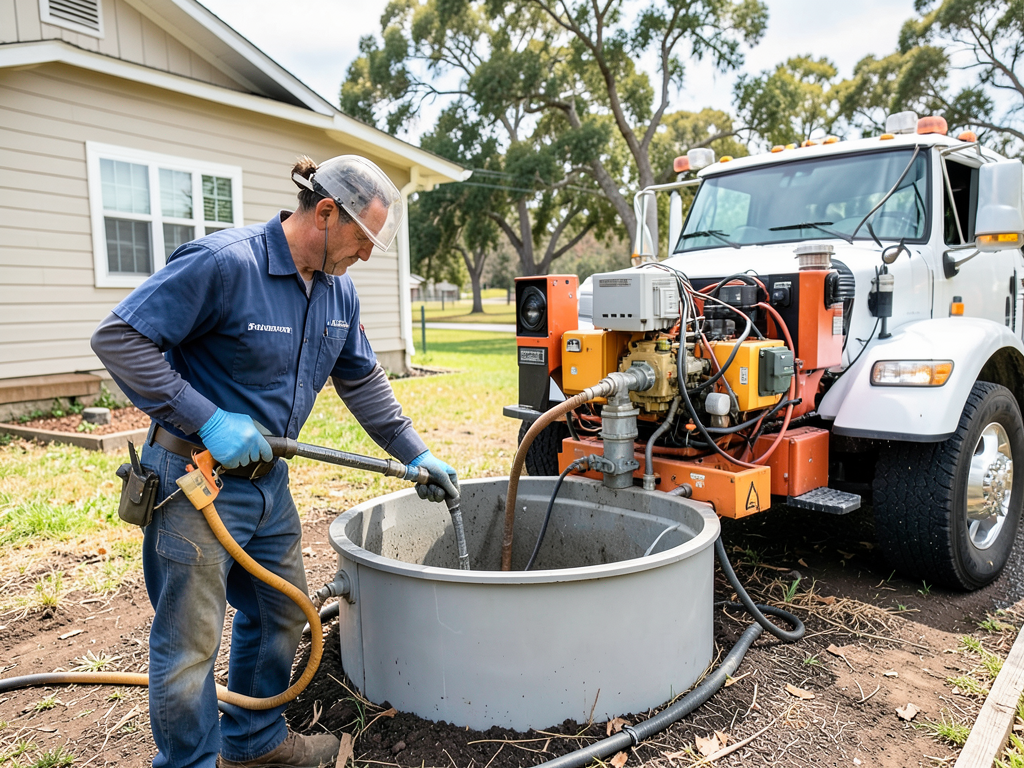
Maintaining a Septic System for Rural Properties in Fallbrook and Escondido
Your septic system works silently underground every day handling all the wastewater from your rural Fallbrook or Escondido property. Many homeowners do not think about it until something goes wrong. That is when emergency repairs become expensive and inconvenient. Understanding how your system operates and following a simple maintenance plan can save you thousands of dollars and protect your property value. San Diego County Department of Environmental Health.
Rural properties in North County San Diego face unique challenges because of our Mediterranean climate and soil conditions. Long dry summers followed by heavy winter rains create pressure on leach fields. The San Diego County Department of Environmental Health has specific regulations that govern septic system design and maintenance. Following these guidelines helps prevent system failures and protects local groundwater. EPA Septic System Maintenance Guide.
This guide covers everything you need to know about keeping your septic system healthy. We explain the basic components how they work together and what warning signs indicate trouble. You will learn the recommended pumping schedule for your household size and discover simple steps to extend your system’s life. We also share water conservation tips that reduce strain on your septic tank while helping you comply with local drought restrictions. Dealing with Hard Water in Oceanside with a Professional Softener System.
Whether you live near the avocado groves of Fallbrook or the hillside homes of Escondido this information applies to your property. Let us help you avoid costly repairs and keep your septic system running smoothly for years to come.. Read more about Installing a Greywater System to Keep Your South Park Garden Green During a Drought.
How Your Septic System Works in San Diego’s Climate
A septic system consists of a tank and a drain field working together to treat household wastewater. Wastewater flows from your home into the septic tank where solids settle to the bottom and oils float to the top. Bacteria break down the solid waste over time. The liquid wastewater then flows into the drain field where soil naturally filters it before it reaches groundwater.. Read more about Designing the Plumbing for a New Pool House or Cabana in Bonita.
San Diego’s climate affects how your system operates. Our long dry periods cause soil to shrink and crack which can create pathways for wastewater to bypass the natural filtration process. When heavy rains arrive the soil becomes saturated reducing its ability to absorb liquid from the drain field. This combination creates unique challenges for rural properties in Fallbrook and Escondido.
The soil composition in these areas also matters. Many properties have clay-rich soil that drains slowly compared to sandy soils. This means your drain field needs more space and careful design to function properly. The San Diego County DEH requires specific soil testing before approving septic system permits to ensure adequate drainage capacity.. Read more about Solving Yard Drainage and Exterior Plumbing Issues for Encinitas Homeowners.
Understanding these local factors helps you make better decisions about system maintenance and upgrades. For example properties with slow-draining clay soil may need more frequent pumping or larger drain fields to handle the same household wastewater volume as properties with sandy soil.
The Do’s and Don’ts of Septic Care
Proper septic care starts with what goes down your drains. Many household products can damage your system or kill the beneficial bacteria that break down waste. Following these guidelines helps your system work efficiently and last longer.
Septic safe products include plain toilet paper that breaks down quickly laundry detergents labeled septic safe and biodegradable cleaning products. These items will not harm your system or reduce bacterial activity in the tank.
System killers to avoid include flushable wipes even though they claim to be flushable these products do not break down and can clog pipes and drain fields. Grease cooking oils and fats should never go down drains because they solidify and create blockages. Chemical drain cleaners kill beneficial bacteria and can damage pipes. Coffee grounds eggshells and other food scraps belong in the trash not your septic system.
Water conservation also protects your septic system. Fix leaky faucets and toilets promptly because a single dripping faucet can waste hundreds of gallons per month. Install low flow fixtures to reduce wastewater volume. Spread out laundry loads throughout the week instead of doing multiple loads in one day. This prevents hydraulic overloading where too much water enters the system at once.
Keep heavy vehicles and livestock off your drain field area. Soil compaction reduces the field’s ability to absorb wastewater. Plant only grass or shallow rooted plants over the drain field. Tree and shrub roots can grow into pipes and cause expensive damage.
Recommended Pumping Frequency and Inspection Schedules
Regular pumping removes accumulated solids before they flow into the drain field and cause failure. The pumping frequency depends on your household size and tank capacity. Most rural properties in Fallbrook and Escondido have tanks ranging from one thousand to two thousand gallons.
The San Diego County DEH recommends pumping your septic tank every three to five years for a typical household. However this is just a general guideline. Your actual needs may vary based on water usage and the amount of solid waste entering the system.
Here is a more specific guide based on household size and tank capacity. A household of one to two people with a one thousand gallon tank should pump every five years. A household of three to four people with the same tank size needs pumping every three years. Larger households of five or more people may need annual pumping regardless of tank size.
Regular inspections help catch problems early. Have a licensed professional inspect your system every one to three years. They will check for signs of drain field failure measure scum and sludge layers and ensure all components function properly. Inspections cost much less than emergency repairs and can extend your system’s life by years. Finding an Emergency Plumber in North Park Who Actually Picks Up the Phone.
Keep records of all pumping and inspections. This documentation proves you maintained the system properly if you ever sell your property. It also helps you track patterns and adjust maintenance schedules as needed.
Managing Your Leach Field During Rainy Seasons
San Diego’s rainy season creates special challenges for septic systems. Heavy rains can saturate the soil around your drain field reducing its ability to absorb wastewater. This can cause sewage to back up into your home or create wet spots in your yard.
Before the rainy season inspect your drain field area. Look for any signs of standing water or soggy soil. Make sure the area slopes away from your home to prevent surface water from flowing toward the drain field. Clean gutters and downspouts direct water away from the drain field area.
During heavy rains reduce water usage as much as possible. Postpone laundry washing and limit long showers. This reduces the volume of wastewater entering the already stressed system. If you notice sewage odors or wet spots in the drain field area stop using water immediately and call a professional.
Some properties benefit from drain field risers or extensions that raise the system above the seasonal high water table. These modifications can prevent flooding during wet winters but require permits from the San Diego County DEH.
Landscaping choices also matter. Avoid planting water loving plants near the drain field because they increase soil moisture. Native drought tolerant plants work best because they require minimal irrigation and have shallow root systems that will not damage pipes.
Signs Your Septic System Needs Immediate Repair
Recognizing warning signs early can prevent complete system failure. Some problems develop gradually while others appear suddenly. Knowing what to watch for helps you act before expensive damage occurs.
Odors inside your home or near the drain field indicate problems. Sewage smells mean wastewater is not being properly treated or contained. These odors often appear before visible problems develop so do not ignore them.
Slow drains throughout your home suggest your septic tank is full or your drain field is failing. If multiple fixtures drain slowly at the same time the problem is likely in your septic system not individual pipes.
Lush green grass over the drain field during dry weather can signal trouble. While healthy grass is normal unusually vibrant growth indicates excess nutrients from leaking wastewater. This means your system is not properly treating the effluent before it reaches the soil.
Standing water or soggy soil over the drain field even during dry weather indicates the system cannot absorb wastewater properly. This often happens when the drain field is clogged or when soil becomes compacted over time.
Gurgling sounds in your plumbing when you flush toilets or run water suggest air is trapped in the system. This can happen when the tank is too full or when pipes become blocked.
If you notice any of these signs stop using water immediately and call a licensed septic professional. Continuing to use a failing system can cause sewage to back up into your home causing extensive damage and health hazards.
Professional Septic Services in San Diego
Maintaining a septic system requires specialized knowledge and equipment. Licensed professionals understand local regulations and can perform services safely and legally. They also carry insurance to protect you from liability if something goes wrong during maintenance or repair work.
Professional services include tank pumping inspections and repairs. Pumping requires special trucks and trained operators who know how to handle wastewater safely. Inspections involve measuring tank contents checking for structural damage and evaluating drain field performance.
Repairs might include fixing cracked tanks replacing damaged pipes or installing new drain field components. Some problems require excavation and soil replacement which only licensed contractors should perform.
When choosing a septic service provider verify their license with the California State License Board. Ask about their experience with rural properties in Fallbrook and Escondido specifically. Request references from local customers and check online reviews for reliability and quality of work.
Professional maintenance costs vary based on tank size and location but typically range from three hundred to six hundred dollars for pumping. Inspections cost one hundred to two hundred dollars. These prices are much lower than emergency repairs which can cost thousands of dollars.
Call (619) 304-5400 today to schedule your septic system inspection. Our licensed technicians serve Fallbrook Escondido and all of San Diego County. We provide honest assessments and upfront pricing with no hidden fees.
Water Conservation Techniques That Protect Your Septic System
Water conservation benefits both your septic system and the environment. Using less water reduces the volume of wastewater your system must treat which extends its life and prevents hydraulic overloading.
Start with simple fixes like repairing leaky faucets and toilets. A toilet that runs continuously can waste up to two hundred gallons per day. Check for leaks by adding food coloring to your toilet tank. If color appears in the bowl without flushing you have a leak that needs repair. How to Deal with a Slab Leak in Your Point Loma Home Without Destroying Your Floors.
Install water efficient fixtures throughout your home. Modern low flow toilets use only one point six gallons per flush compared to older models that use three to five gallons. High efficiency washing machines use thirty percent less water than standard models. These upgrades reduce wastewater volume while maintaining performance.
Change your water use habits to spread out demand on your system. Run dishwashers and washing machines only with full loads. Take shorter showers and turn off water while brushing teeth or shaving. These small changes add up to significant water savings over time.
Consider greywater systems for irrigation. These systems capture water from sinks showers and washing machines for landscape use. This reduces the volume of water entering your septic tank while providing free irrigation for your garden. Check with the San Diego County DEH about permit requirements for greywater systems.
Landscaping choices also impact water usage. Plant native drought tolerant species that require minimal irrigation. Use mulch around plants to retain soil moisture and reduce watering needs. These practices protect your septic system while creating beautiful low maintenance landscapes.
Advanced Treatment Units and Modern Septic Technology
Traditional septic systems work well for many properties but some situations require advanced treatment. Properties with poor soil conditions small lot sizes or high water tables may need alternative systems to meet San Diego County DEH requirements.
Advanced Treatment Units use additional treatment steps to produce cleaner effluent. These systems often include aeration chambers that promote bacterial growth and break down waste more completely. The cleaner effluent reduces the burden on the drain field and allows installation in areas where traditional systems would fail.
Mound systems work well for properties with high water tables or shallow bedrock. These systems pump effluent into an elevated sand mound where natural filtration occurs before the water reaches groundwater. While more expensive than conventional systems they provide reliable treatment in challenging conditions.
Recirculating sand filters use layers of sand and gravel to filter effluent multiple times before discharge. These systems produce very clean effluent suitable for properties near sensitive environmental areas or those with strict discharge requirements.
Technology continues to improve septic system performance. Some modern systems include remote monitoring that alerts homeowners to problems before they become emergencies. Others use smart controls to optimize treatment based on usage patterns and environmental conditions. Why La Jolla Homeowners are Switching to Tankless Water Heaters This Year.
While these advanced systems cost more upfront they often save money long term by preventing failures and reducing maintenance needs. They also provide more treatment options for properties that cannot accommodate conventional systems.
Impact of Local Vegetation on Septic Systems
The plants around your property can significantly affect your septic system’s performance. Some vegetation helps protect your system while other plants can cause serious damage. Understanding which plants to keep and which to avoid helps prevent expensive repairs.
Native California plants generally work well near septic systems. These species have adapted to local conditions and typically have shallow root systems that will not invade pipes or tanks. Good choices include California poppy deer grass and various native sages. These plants also require minimal irrigation which reduces water entering your system.
Problem plants include trees and shrubs with aggressive root systems. Eucalyptus trees common in some rural areas send roots far and wide searching for water. These roots can penetrate septic tanks pipes and drain field components causing leaks and blockages. Other problematic species include willows poplars and certain fruit trees.
Grass remains the best ground cover over drain fields. Turf grass has shallow roots that will not damage pipes while providing erosion control and aesthetic benefits. Keep grass mowed to proper height and avoid heavy fertilization which can increase nutrient loading on your system.
Vegetable gardens should stay away from drain fields. While the soil over a drain field is often fertile growing food crops in this area poses health risks from potential contamination. The extra water and nutrients from gardens also stress the system.
Proper plant selection and placement protect your investment in your septic system. Take time to plan your landscaping with your system’s needs in mind.
Cost Factors and Long Term Savings
Understanding the costs associated with septic system ownership helps you budget properly and avoid financial surprises. While septic systems require ongoing maintenance they often cost less over time than connecting to municipal sewer systems especially for rural properties.
Initial installation costs vary widely based on property conditions and system type. A conventional system for a typical rural home might cost five thousand to fifteen thousand dollars. Advanced systems with special features can cost twenty thousand dollars or more. These costs include permits soil testing and professional installation.
Annual maintenance costs average two hundred to five hundred dollars for inspections and minor services. Pumping every three to five years adds three hundred to six hundred dollars per service. These predictable costs are much lower than emergency repairs which can cost thousands of dollars.
Long term savings come from several factors. You avoid monthly sewer fees which can cost fifty to one hundred dollars per month in some areas. You have control over your wastewater treatment without depending on municipal systems. Well maintained systems can last forty to fifty years providing excellent return on investment.
Insurance considerations matter too. Some homeowner policies cover septic system damage while others exclude it. Check your coverage and consider additional protection if needed. Regular maintenance often satisfies insurance requirements and can prevent claim denials for lack of upkeep.
Property values benefit from properly maintained septic systems. Buyers view well documented maintenance records as evidence of responsible ownership. This can make your property more attractive when selling and potentially increase its market value.
Frequently Asked Questions
How often should I pump my septic tank in Fallbrook or Escondido?
Most households need pumping every three to five years but frequency depends on tank size and household water usage. Larger households or smaller tanks may need annual pumping. The San Diego County DEH recommends inspections every one to three years to determine your specific needs.
What are the signs my septic system is failing?
Warning signs include sewage odors slow drains gurgling pipes lush grass over the drain field and standing water in the yard. If you notice any of these problems stop using water immediately and call a professional. Continuing to use a failing system can cause sewage backup into your home.
Can I plant a garden over my drain field?
No you should not plant vegetable gardens over drain fields. While the soil is often fertile growing food crops poses health risks from potential contamination. The extra water and nutrients from gardens also stress the system. Plant grass or native drought tolerant species instead.
Do I need permits for septic system repairs in San Diego County?
Yes most septic system work requires permits from the San Diego County Department of Environmental Health. This includes repairs installations and even some maintenance activities. Working without permits can result in fines and may void your system’s warranty or insurance coverage.
How does San Diego’s climate affect septic systems?
Our Mediterranean climate creates unique challenges. Long dry periods cause soil to shrink while heavy winter rains can saturate drain fields. This combination stresses systems and can cause failures. Properties with clay soil face additional challenges because these soils drain slowly and compact easily.
What household products should I avoid with a septic system?
Avoid flushable wipes chemical drain cleaners grease and oil coffee grounds and harsh cleaning products. These items can clog pipes kill beneficial bacteria or damage system components. Use septic safe products and dispose of problematic items in the trash instead of down drains.
How much does professional septic service cost in San Diego?
Pumping typically costs three hundred to six hundred dollars depending on tank size and location. Inspections cost one hundred to two hundred dollars. Emergency repairs can cost thousands of dollars. Regular maintenance costs much less than emergency repairs and extends your system’s life significantly.
Can I add bacteria treatments to my septic tank?
Most septic tanks already contain sufficient bacteria from household waste. Adding commercial bacterial treatments rarely provides benefits and may interfere with the natural bacterial balance. Focus instead on proper maintenance and avoiding products that kill beneficial bacteria.
What should I do if my drains are backing up?
Stop using all water immediately if you notice sewage backing up into drains. This indicates a serious problem that could contaminate your home. Call a licensed septic professional right away. Do not attempt to fix the problem yourself as you could expose yourself to harmful pathogens.
How can I tell if my drain field is failing?
Drain field failure signs include wet spots in the yard sewage odors and unusually green grass over the field during dry weather. The ground may feel spongy when walked on. If you suspect drain field failure stop water usage and call a professional immediately to prevent further damage.
- Schedule Regular Inspections
Have a licensed professional inspect your system every one to three years. They will check tank levels inspect pipes and evaluate drain field performance. Regular inspections catch problems early when they are less expensive to fix.
- Follow Pumping Schedule
Pump your tank every three to five years based on household size and tank capacity. Keep records of all pumping and inspections. This documentation proves proper maintenance if you sell your property.
- Practice Water Conservation
Fix leaks install low flow fixtures and spread out water intensive activities. Reducing water usage decreases the volume of wastewater your system must treat and prevents hydraulic overloading.
- Protect Your Drain Field
Keep heavy vehicles and livestock off the drain field area. Plant only grass or shallow rooted plants. Avoid planting trees or shrubs near the field because roots can damage pipes and tanks.
- Use Septic Safe Products
Choose cleaning products laundry detergents and toilet paper labeled septic safe. Never flush wipes grease chemicals or non biodegradable items. These products can clog pipes kill beneficial bacteria or damage system components.
Maintaining your septic system does not have to be complicated or expensive. Simple steps like regular pumping proper water use and careful landscaping can prevent most problems. Understanding how your system works and following local regulations helps you avoid costly repairs and protect your property investment.
Rural properties in Fallbrook and Escondido face specific challenges from our climate and soil conditions. However with proper care your septic system can provide reliable wastewater treatment for decades. The key is staying proactive rather than reactive. Regular maintenance costs much less than emergency repairs and helps your system last longer.
If you notice any warning signs or have questions about your septic system do not wait for problems to worsen. Professional help is just a phone call away. Our licensed technicians understand the unique needs of San Diego County properties and can provide the expert service you need.
Call (619) 304-5400 today to schedule your septic system inspection or pumping service. We serve Fallbrook Escondido and all of San Diego County with prompt professional service and upfront pricing. Protect your property and your family’s health with proper septic system maintenance.
Remember that a well maintained septic system protects not just your property but also our shared groundwater resources. By following these guidelines you help keep our rural communities healthy and environmentally responsible for generations to come.
{
“@context”: “https://schema.org”,
“@type”: “BlogPosting”,
“headline”: “Maintaining a Septic System for Rural Properties in Fallbrook and Escondido”,
“description”: “Learn how to maintain your septic system in Fallbrook and Escondido with expert tips on pumping schedules, leach field care, and San Diego County DEH regulations.”,
“wordCount”: 3707,
“datePublished”: “2026-03-07T08:40:00.000Z”,
“dateModified”: “2026-03-07T08:40:00.000Z”,
“inLanguage”: “en-US”,
“mainEntityOfPage”: {
“@type”: “WebPage”,
“@id”: “https://aceplumbingsandiego.com”
},
“publisher”: {
“@type”: “LocalBusiness”,
“name”: “Ace Plumbing San Diego”,
“url”: “https://aceplumbingsandiego.com”
},
“author”: {
“@type”: “Organization”,
“name”: “Ace Plumbing San Diego”,
“url”: “https://aceplumbingsandiego.com”
},
“image”: {
“@type”: “ImageObject”,
“url”: “https://aceplumbingsandiego.com/wp-content/uploads/2026/03/maintaining-a-septic-system-for-rural-properties-i-1.png”
}
}
{
“@context”: “https://schema.org”,
“@type”: “Plumber”,
“name”: “Ace Plumbing San Diego”,
“url”: “https://aceplumbingsandiego.com”,
“address”: {
“@type”: “PostalAddress”,
“addressLocality”: “San Diego”
},
“areaServed”: {
“@type”: “City”,
“name”: “San Diego”
}
}
{
“@context”: “https://schema.org”,
“@type”: “FAQPage”,
“mainEntity”: [
{
“@type”: “Question”,
“name”: “How often should I pump my septic tank in Fallbrook or Escondido?”,
“acceptedAnswer”: {
“@type”: “Answer”,
“text”: “Most households need pumping every three to five years but frequency depends on tank size and household water usage. Larger households or smaller tanks may need annual pumping. The San Diego County DEH recommends inspections every one to three years to determine your specific needs.”
}
},
{
“@type”: “Question”,
“name”: “What are the signs my septic system is failing?”,
“acceptedAnswer”: {
“@type”: “Answer”,
“text”: “Warning signs include sewage odors slow drains gurgling pipes lush grass over the drain field and standing water in the yard. If you notice any of these problems stop using water immediately and call a professional. Continuing to use a failing system can cause sewage backup into your home.”
}
},
{
“@type”: “Question”,
“name”: “Can I plant a garden over my drain field?”,
“acceptedAnswer”: {
“@type”: “Answer”,
“text”: “No you should not plant vegetable gardens over drain fields. While the soil is often fertile growing food crops poses health risks from potential contamination. The extra water and nutrients from gardens also stress the system. Plant grass or native drought tolerant species instead.”
}
},
{
“@type”: “Question”,
“name”: “Do I need permits for septic system repairs in San Diego County?”,
“acceptedAnswer”: {
“@type”: “Answer”,
“text”: “Yes most septic system work requires permits from the San Diego County Department of Environmental Health. This includes repairs installations and even some maintenance activities. Working without permits can result in fines and may void your system’s warranty or insurance coverage.”
}
},
{
“@type”: “Question”,
“name”: “How does San Diego’s climate affect septic systems?”,
“acceptedAnswer”: {
“@type”: “Answer”,
“text”: “Our Mediterranean climate creates unique challenges. Long dry periods cause soil to shrink while heavy winter rains can saturate drain fields. This combination stresses systems and can cause failures. Properties with clay soil face additional challenges because these soils drain slowly and compact easily.”
}
},
{
“@type”: “Question”,
“name”: “What household products should I avoid with a septic system?”,
“acceptedAnswer”: {
“@type”: “Answer”,
“text”: “Avoid flushable wipes chemical drain cleaners grease and oil coffee grounds and harsh cleaning products. These items can clog pipes kill beneficial bacteria or damage system components. Use septic safe products and dispose of problematic items in the trash instead of down drains.”
}
},
{
“@type”: “Question”,
“name”: “How much does professional septic service cost in San Diego?”,
“acceptedAnswer”: {
“@type”: “Answer”,
“text”: “Pumping typically costs three hundred to six hundred dollars depending on tank size and location. Inspections cost one hundred to two hundred dollars. Emergency repairs can cost thousands of dollars. Regular maintenance costs much less than emergency repairs and extends your system’s life significantly.”
}
},
{
“@type”: “Question”,
“name”: “Can I add bacteria treatments to my septic tank?”,
“acceptedAnswer”: {
“@type”: “Answer”,
“text”: “Most septic tanks already contain sufficient bacteria from household waste. Adding commercial bacterial treatments rarely provides benefits and may interfere with the natural bacterial balance. Focus instead on proper maintenance and avoiding products that kill beneficial bacteria.”
}
},
{
“@type”: “Question”,
“name”: “What should I do if my drains are backing up?”,
“acceptedAnswer”: {
“@type”: “Answer”,
“text”: “Stop using all water immediately if you notice sewage backing up into drains. This indicates a serious problem that could contaminate your home. Call a licensed septic professional right away. Do not attempt to fix the problem yourself as you could expose yourself to harmful pathogens.”
}
},
{
“@type”: “Question”,
“name”: “How can I tell if my drain field is failing?”,
“acceptedAnswer”: {
“@type”: “Answer”,
“text”: “Drain field failure signs include wet spots in the yard sewage odors and unusually green grass over the field during dry weather. The ground may feel spongy when walked on. If you suspect drain field failure stop water usage and call a professional immediately to prevent further damage.”
}
}
]
}
{
“@context”: “https://schema.org”,
“@type”: “HowTo”,
“name”: “How to Maintain Your Septic System”,
“step”: [
{
“@type”: “HowToStep”,
“position”: 1,
“name”: “Schedule Regular Inspections”,
“text”: “Have a licensed professional inspect your system every one to three years. They will check tank levels inspect pipes and evaluate drain field performance. Regular inspections catch problems early when they are less expensive to fix.”
},
{
“@type”: “HowToStep”,
“position”: 2,
“name”: “Follow Pumping Schedule”,
“text”: “Pump your tank every three to five years based on household size and tank capacity. Keep records of all pumping and inspections. This documentation proves proper maintenance if you sell your property.”
},
{
“@type”: “HowToStep”,
“position”: 3,
“name”: “Practice Water Conservation”,
“text”: “Fix leaks install low flow fixtures and spread out water intensive activities. Reducing water usage decreases the volume of wastewater your system must treat and prevents hydraulic overloading.”
},
{
“@type”: “HowToStep”,
“position”: 4,
“name”: “Protect Your Drain Field”,
“text”: “Keep heavy vehicles and livestock off the drain field area. Plant only grass or shallow rooted plants. Avoid planting trees or shrubs near the field because roots can damage pipes and tanks.”
},
{
“@type”: “HowToStep”,
“position”: 5,
“name”: “Use Septic Safe Products”,
“text”: “Choose cleaning products laundry detergents and toilet paper labeled septic safe. Never flush wipes grease chemicals or non biodegradable items. These products can clog pipes kill beneficial bacteria or damage system components.”
}
],
“image”: “https://aceplumbingsandiego.com/wp-content/uploads/2026/03/maintaining-a-septic-system-for-rural-properties-i-1.png”
}
{
“@context”: “https://schema.org”,
“@type”: “BreadcrumbList”,
“itemListElement”: [
{
“@type”: “ListItem”,
“position”: 1,
“name”: “Home”,
“item”: “https://aceplumbingsandiego.com”
},
{
“@type”: “ListItem”,
“position”: 2,
“name”: “Blog”,
“item”: “https://aceplumbingsandiego.com/blog”
},
{
“@type”: “ListItem”,
“position”: 3,
“name”: “Maintaining a Septic System for Rural Properties in Fallbrook and Escondido”
}
]
}
{
“@context”: “https://schema.org”,
“@type”: “Service”,
“serviceType”: “Plumbing”,
“provider”: {
“@type”: “LocalBusiness”,
“name”: “Ace Plumbing San Diego”,
“url”: “https://aceplumbingsandiego.com”
},
“areaServed”: {
“@type”: “City”,
“name”: “San Diego”
},
“description”: “Learn how to maintain your septic system in Fallbrook and Escondido with expert tips on pumping schedules, leach field care, and San Diego County DEH regulations.”
}