
How to get instant hot water in your Del Cerro home without wasting gallons down the drain
Hot water recirculating pumps eliminate the wait for hot water and save thousands of gallons annually in Del Cerro homes. These systems keep hot water moving through your pipes so it’s ready when you need it at every fixture. San Diego County Water Authority.
Del Cerro’s hillside homes and sprawling ranch-style layouts often have longer plumbing runs from the water heater to bathrooms and kitchens. That distance means more cold water sitting in the pipes before hot water arrives. A recirculating system keeps hot water circulating in a loop, so it’s always available at your taps without the wait. How to Deal with a Slab Leak in Your Point Loma Home Without Destroying Your Floors.
California’s water conservation mandates and Del Cerro’s high water rates make this upgrade both environmentally responsible and cost-effective. The system pays for itself through reduced water waste and lower utility bills while providing the convenience you want. Dealing with Hard Water in Oceanside with a Professional Softener System.
How hot water recirculating pumps actually work
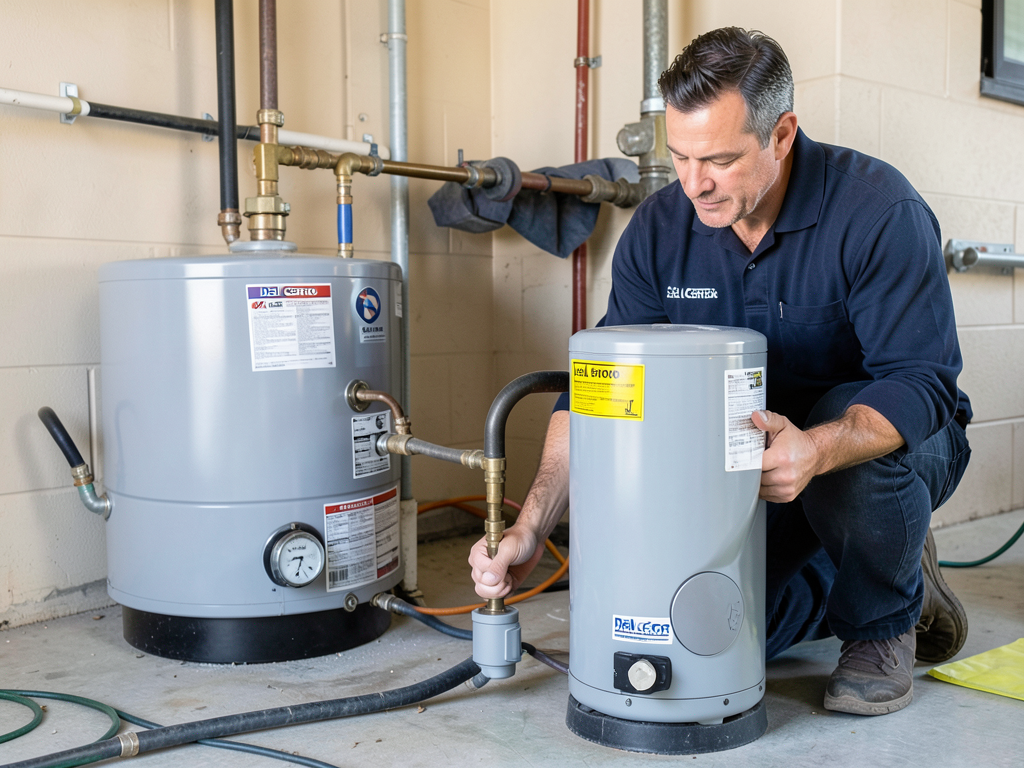
A recirculating pump creates a continuous loop that keeps hot water moving through your plumbing system. The pump sits near your water heater and pushes hot water through a dedicated return line back to the heater. A thermostatic control monitors water temperature and only runs the pump when needed, preventing energy waste.
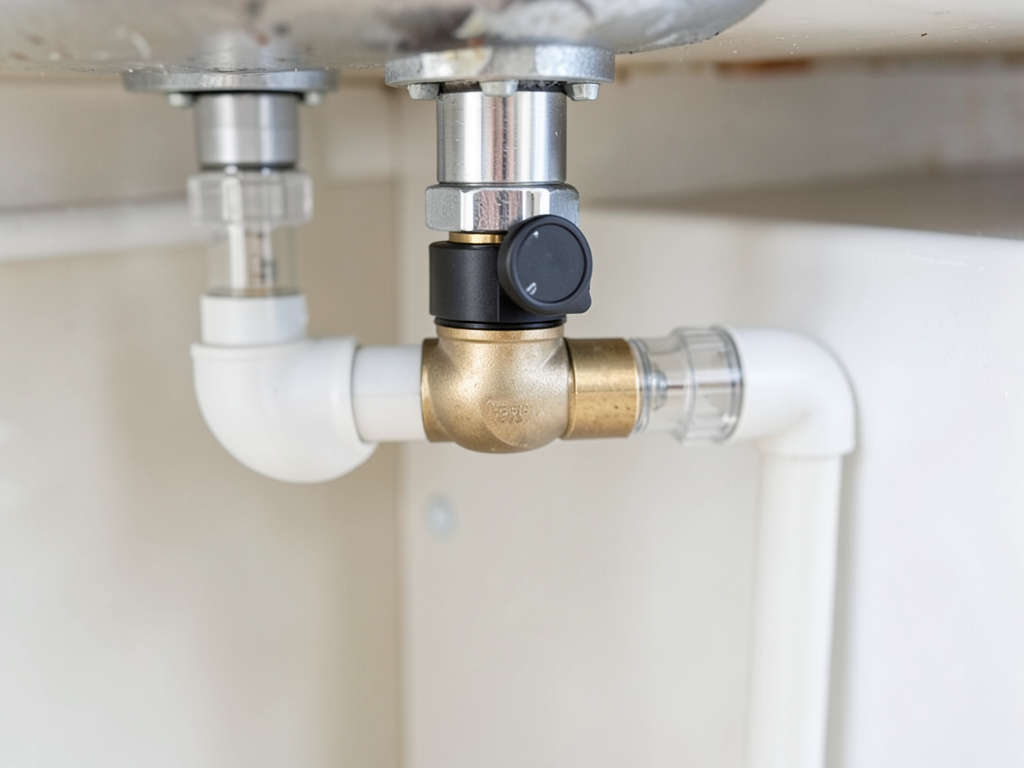
Traditional systems use a dedicated return line plumbed back to the water heater. Modern retrofit systems use a thermostatic bypass valve under the farthest fixture that allows cooled water to return through the cold water line instead of requiring new piping. The pump activates when water temperature drops below a set point, typically around 85-95°F.
Timer controls add another layer of efficiency by running the pump only during peak usage hours. Smart controls can learn your schedule and adjust automatically. The pump uses minimal electricity – about 25-50 watts when running – costing roughly $5-10 per year in energy. City of San Diego Water Conservation.
Water flow through the system is typically 1-3 gallons per minute, which is much slower than normal fixture flow but enough to maintain temperature throughout the loop. The check valve prevents cold water from mixing back into the hot line when fixtures are used.
Types of hot water recirculating systems for Del Cerro homes
Dedicated return line systems require new plumbing but provide the most efficient operation. A separate pipe runs from the farthest fixture back to the water heater, creating a true hot water loop. This system works best for new construction or major remodels where walls are open.
Under-sink bypass valve systems retrofit existing plumbing without new pipes. A thermostatic valve installs under the sink farthest from the water heater, allowing cooled water to return through the cold water line. This is ideal for Del Cerro’s older homes where running new pipes would be difficult and expensive.
Point-of-use pumps install directly under individual fixtures for targeted hot water delivery. These compact units work well for isolated problems like a guest bathroom or kitchen sink far from the main water heater. They’re less expensive but only serve one location.
Whole-house comfort systems combine recirculation with water heating. Tankless water heaters with built-in recirculation pumps eliminate the storage tank while providing instant hot water. These high-efficiency units work well for Del Cerro’s energy-conscious homeowners looking to maximize both water and energy savings. Why La Jolla Homeowners are Switching to Tankless Water Heaters This Year.
Local benefits and savings for Del Cerro homeowners
Del Cerro residents can save 2,000-5,000 gallons of water annually with a recirculating system. At current San Diego County Water Authority rates of $4.40 per hundred cubic feet (748 gallons), that’s $12-25 in water savings per year. The real savings come from eliminating the frustration of waiting for hot water.
California Title 24 energy efficiency standards now require hot water systems to minimize waste. A properly installed recirculating pump helps your home meet these requirements while reducing the energy needed to reheat cooled water that would otherwise sit in pipes. The thermostatic control ensures the pump only runs when necessary.
Del Cerro’s hard water can affect pump longevity. Local water contains high mineral content that can cause scale buildup in pumps and pipes. Professional installation includes proper sizing and water treatment recommendations to protect your investment. Annual maintenance typically involves cleaning the pump and checking valve operation.
The City of San Diego offers water conservation rebates that may apply to recirculating systems when installed with other water-saving measures. SDG&E provides energy efficiency rebates for high-efficiency water heating equipment. These incentives can offset installation costs significantly. SDG&E Energy Efficiency Rebates.
Professional installation process and what to expect
Professional installation begins with a plumbing inspection to determine your home’s layout and the best system type. The technician checks water pressure, pipe sizing, and existing plumbing configuration. For dedicated return line systems, they map the most efficient route for new piping.
Installation typically takes 2-4 hours for under-sink systems and 4-8 hours for dedicated return lines. The process involves mounting the pump near the water heater, installing thermostatic valves or return lines, and connecting electrical power. Professional plumbers ensure proper check valve installation to prevent cold water mixing.. Read more about Installing a luxury steam shower in your Carmel Mountain Ranch master bath.
Testing includes verifying pump operation, checking for leaks, and confirming water temperature at all fixtures. The technician programs timer controls and demonstrates system operation. They also inspect your water heater’s temperature setting – most systems work best at 120°F for safety and efficiency.
Professional installation includes compliance with California plumbing codes and obtaining necessary permits. Licensed plumbers ensure proper backflow prevention and earthquake strapping where required. They also provide warranty coverage and maintenance recommendations specific to Del Cerro’s water conditions.
Cost analysis and return on investment
Under-sink recirculating systems cost $300-500 for equipment plus $300-500 for professional installation, totaling $600-1,000. Dedicated return line systems run $500-800 for equipment with $500-1,000 installation, totaling $1,000-1,800 depending on home layout and piping complexity.
Energy costs average $5-10 annually to operate the pump. Water savings of 2,000-5,000 gallons yearly translate to $12-25 in direct water cost savings. The real value comes from eliminated wait times and reduced wear on fixtures from temperature cycling.
Payback period typically ranges from 3-7 years based on water usage patterns and local utility rates. Homes with longer wait times or larger families see faster returns. The system also increases home value by improving plumbing efficiency and meeting modern energy standards.
Maintenance costs are minimal – annual cleaning and inspection runs $75-150. Most pumps last 10-15 years with proper care. The investment protects against future water rate increases and supports California’s water conservation goals.
Comparing recirculating pumps to other hot water solutions
| System Type | Installation Cost | Water Savings | Energy Use | Best For |
|---|---|---|---|---|
| Under-Sink Bypass Valve | $600-1,000 | 2,000-4,000 gal/year | Low (25-50W) | Existing homes |
| Dedicated Return Line | $1,000-1,800 | 3,000-5,000 gal/year | Low (25-50W) | New construction |
| Point-of-Use Pump | $400-600 | 500-1,500 gal/year | Very Low | Single fixture |
| Tankless with Recirculation | $2,000-3,500 | 3,000-5,000 gal/year | Medium (100-200W) | Complete replacement |
Under-sink systems offer the best balance of cost and effectiveness for most Del Cerro homes. They provide significant water savings without the expense of new piping. Dedicated return lines maximize efficiency but require higher upfront investment.
Point-of-use pumps work for specific problem areas but don’t solve whole-house wait times. Tankless systems with recirculation eliminate storage tanks but cost significantly more and may not fit all homes’ electrical capacity.
Solar water heating systems can complement recirculation but require substantial roof space and upfront investment. They work best in Del Cerro’s sunny climate but have longer payback periods than simple recirculation.
Common questions about recirculating pumps
Do I need a return line for a recirculating pump?
No. Modern under-sink systems use your existing cold water line to return cooled water to the heater. This eliminates the need for new piping and makes installation possible in any home. The thermostatic valve prevents cold water from mixing with hot at your fixtures.
Is a recirculating pump noisy?
Quality pumps operate at 40-50 decibels, about the sound of a quiet refrigerator. They’re typically installed in garages or utility closets where noise isn’t noticeable. Timer controls can schedule operation during daytime hours when you’re less likely to hear it.. Read more about How to choose a heavy duty garage utility sink for your Jamacha-Lomita workshop.
Does a recirculating pump increase my electricity bill?
The pump uses minimal electricity – about 25-50 watts when running. At typical usage patterns, annual energy cost is $5-10. This is far less than the water and energy wasted waiting for hot water to arrive at distant fixtures.
How long do recirculating pumps last?
Quality pumps typically last 10-15 years with proper maintenance. Del Cerro’s hard water may require more frequent cleaning to prevent scale buildup. Annual maintenance includes checking valve operation and cleaning the pump impeller.
Can I install a recirculating pump myself?
While DIY installation is possible, professional installation ensures proper sizing, code compliance, and warranty protection. Licensed plumbers also handle electrical connections safely and can identify potential issues like inadequate water pressure or pipe sizing problems.
Installation tips and maintenance for Del Cerro homes
Proper pump sizing is crucial for Del Cerro’s varied home layouts. Larger homes with multiple bathrooms may need higher-capacity pumps or multiple zones. Professional assessment ensures you get the right system for your specific needs.
Hard water maintenance is essential in Del Cerro. Install a water softener if you haven’t already, or use scale-prevention devices on the recirculating system. Clean the pump annually and check thermostatic valves for proper operation.
Insulate hot water pipes to maximize system efficiency. Pipe insulation reduces heat loss and can decrease pump run time by keeping water warmer in the loop. This is especially important for pipes in unheated garages or crawl spaces common in Del Cerro homes.
Test your system monthly by running hot water at the farthest fixture. If it takes more than 10 seconds to get hot, your system may need adjustment or maintenance. Listen for unusual pump noises that could indicate bearing wear or debris in the impeller.
Consider smart controls that integrate with your home automation system. These allow remote monitoring and scheduling, optimizing pump operation based on your actual usage patterns rather than fixed timers.
Environmental impact and water conservation
California faces ongoing drought conditions, making water conservation critical. A recirculating pump can save 2,000-5,000 gallons annually – enough to fill a small swimming pool. This reduction in water waste supports state conservation goals and helps protect local aquifers.
The energy used by the pump is offset by eliminating the need to reheat cooled water that would otherwise sit in pipes. The system’s overall carbon footprint is typically neutral or slightly positive when considering the water treatment and pumping energy saved.
Del Cerro’s location in the San Diego watershed means every gallon saved helps maintain river flows and supports local ecosystems. The City of San Diego’s Pure Water program aims to recycle wastewater, but reducing initial consumption remains the most cost-effective conservation strategy.
Many Del Cerro homeowners combine recirculating pumps with low-flow fixtures and smart irrigation controllers for comprehensive water savings. These combined approaches can reduce household water consumption by 30-50% while maintaining comfort and convenience.
Choosing the right system for your Del Cerro home
Evaluate your home’s layout first. Single-story homes with centralized plumbing may not need recirculation, while multi-story or sprawling ranch homes benefit most. Count your bathrooms and measure the distance from water heater to farthest fixture.
Consider your household’s hot water usage patterns. Families with teenagers who take long showers or homes with multiple simultaneous users need more robust systems. Homes with occasional guests might prioritize cost-effective under-sink solutions.
Check your water heater’s capacity and condition. Older units may need replacement soon, making a tankless system with built-in recirculation more economical long-term. Ensure your electrical panel can handle additional pump loads if needed.
Factor in Del Cerro’s specific conditions: hard water requires scale prevention, hillside homes may need earthquake strapping, and older homes might have galvanized pipes that affect system performance. Professional assessment identifies these factors before installation.
Review local incentives and rebates. The City of San Diego, San Diego County Water Authority, and SDG&E occasionally offer rebates for water-saving equipment. These can significantly reduce your net cost while supporting conservation goals.
Frequently Asked Questions
How much water does a recirculating pump save?
Most Del Cerro homes save 2,000-5,000 gallons annually. The exact amount depends on your home’s size, number of fixtures, and how far hot water travels from the heater. Homes with longer plumbing runs see the greatest savings.
Will a recirculating pump work with my tankless water heater?
Yes, but you’ll need a system designed for tankless heaters. These include pumps that can handle the higher temperature output and controls that prevent excessive cycling. Some tankless manufacturers offer integrated recirculation solutions.
How long does installation take?
Under-sink systems install in 2-4 hours. Dedicated return line installations take 4-8 hours depending on home layout and whether walls need opening. Most installations complete in one day with minimal disruption to your home.
Do recirculating pumps require maintenance?
Yes, annual maintenance includes cleaning the pump, checking valve operation, and inspecting for leaks. Del Cerro’s hard water may require more frequent cleaning to prevent scale buildup. Most systems need 30 minutes of maintenance yearly.
Can I use a recirculating pump with a solar water heater?
Absolutely. In fact, recirculation works well with solar systems by reducing the amount of cooled water that needs reheating. The pump helps maintain temperature in the solar storage tank and delivers hot water quickly to fixtures.
Ready to stop wasting water and get instant hot water throughout your Del Cerro home? Call (619) 304-5400 today to schedule your professional assessment. Our licensed plumbers will evaluate your home’s layout, recommend the right system, and provide clear pricing with no surprises. Don’t wait another day to enjoy the convenience and savings of instant hot water.
Pick up the phone and call (619) 304-5400 now. We’re standing by to help Del Cerro homeowners like you eliminate hot water wait times and start saving water immediately. Your solution is just one call away.
{
“@context”: “https://schema.org”,
“@type”: “BlogPosting”,
“headline”: “How to get instant hot water in your Del Cerro home without wasting gallons down the drain”,
“description”: “Stop wasting water waiting for hot water in your Del Cerro home. Learn how recirculating pumps save water and provide instant hot water.”,
“wordCount”: 2354,
“datePublished”: “2026-04-08T10:27:00.000Z”,
“dateModified”: “2026-04-08T10:27:00.000Z”,
“inLanguage”: “en-US”,
“mainEntityOfPage”: {
“@type”: “WebPage”,
“@id”: “https://aceplumbingsandiego.com”
},
“publisher”: {
“@type”: “LocalBusiness”,
“name”: “Ace Plumbing San Diego”,
“url”: “https://aceplumbingsandiego.com”
},
“author”: {
“@type”: “Organization”,
“name”: “Ace Plumbing San Diego”,
“url”: “https://aceplumbingsandiego.com”
},
“image”: {
“@type”: “ImageObject”,
“url”: “https://aceplumbingsandiego.com/wp-content/uploads/2026/03/how-to-get-instant-hot-water-in-your-del-cerro-hom-1.png”
}
}
{
“@context”: “https://schema.org”,
“@type”: “Plumber”,
“name”: “Ace Plumbing San Diego”,
“url”: “https://aceplumbingsandiego.com”,
“address”: {
“@type”: “PostalAddress”,
“addressLocality”: “San Diego”
},
“areaServed”: {
“@type”: “City”,
“name”: “San Diego”
}
}
{
“@context”: “https://schema.org”,
“@type”: “FAQPage”,
“mainEntity”: [
{
“@type”: “Question”,
“name”: “Do I need a return line for a recirculating pump?”,
“acceptedAnswer”: {
“@type”: “Answer”,
“text”: “No. Modern under-sink systems use your existing cold water line to return cooled water to the heater. This eliminates the need for new piping and makes installation possible in any home. The thermostatic valve prevents cold water from mixing with hot at your fixtures.”
}
},
{
“@type”: “Question”,
“name”: “Is a recirculating pump noisy?”,
“acceptedAnswer”: {
“@type”: “Answer”,
“text”: “Quality pumps operate at 40-50 decibels, about the sound of a quiet refrigerator. They’re typically installed in garages or utility closets where noise isn’t noticeable. Timer controls can schedule operation during daytime hours when you’re less likely to hear it.”
}
},
{
“@type”: “Question”,
“name”: “Does a recirculating pump increase my electricity bill?”,
“acceptedAnswer”: {
“@type”: “Answer”,
“text”: “The pump uses minimal electricity – about 25-50 watts when running. At typical usage patterns, annual energy cost is $5-10. This is far less than the water and energy wasted waiting for hot water to arrive at distant fixtures.”
}
},
{
“@type”: “Question”,
“name”: “How long do recirculating pumps last?”,
“acceptedAnswer”: {
“@type”: “Answer”,
“text”: “Quality pumps typically last 10-15 years with proper maintenance. Del Cerro’s hard water may require more frequent cleaning to prevent scale buildup. Annual maintenance includes checking valve operation and cleaning the pump impeller.”
}
},
{
“@type”: “Question”,
“name”: “Can I install a recirculating pump myself?”,
“acceptedAnswer”: {
“@type”: “Answer”,
“text”: “While DIY installation is possible, professional installation ensures proper sizing, code compliance, and warranty protection. Licensed plumbers also handle electrical connections safely and can identify potential issues like inadequate water pressure or pipe sizing problems.”
}
},
{
“@type”: “Question”,
“name”: “How much water does a recirculating pump save?”,
“acceptedAnswer”: {
“@type”: “Answer”,
“text”: “Most Del Cerro homes save 2,000-5,000 gallons annually. The exact amount depends on your home’s size, number of fixtures, and how far hot water travels from the heater. Homes with longer plumbing runs see the greatest savings.”
}
},
{
“@type”: “Question”,
“name”: “Will a recirculating pump work with my tankless water heater?”,
“acceptedAnswer”: {
“@type”: “Answer”,
“text”: “Yes, but you’ll need a system designed for tankless heaters. These include pumps that can handle the higher temperature output and controls that prevent excessive cycling. Some tankless manufacturers offer integrated recirculation solutions.”
}
},
{
“@type”: “Question”,
“name”: “How long does installation take?”,
“acceptedAnswer”: {
“@type”: “Answer”,
“text”: “Under-sink systems install in 2-4 hours. Dedicated return line installations take 4-8 hours depending on home layout and whether walls need opening. Most installations complete in one day with minimal disruption to your home.”
}
},
{
“@type”: “Question”,
“name”: “Do recirculating pumps require maintenance?”,
“acceptedAnswer”: {
“@type”: “Answer”,
“text”: “Yes, annual maintenance includes cleaning the pump, checking valve operation, and inspecting for leaks. Del Cerro’s hard water may require more frequent cleaning to prevent scale buildup. Most systems need 30 minutes of maintenance yearly.”
}
},
{
“@type”: “Question”,
“name”: “Can I use a recirculating pump with a solar water heater?”,
“acceptedAnswer”: {
“@type”: “Answer”,
“text”: “Absolutely. In fact, recirculation works well with solar systems by reducing the amount of cooled water that needs reheating. The pump helps maintain temperature in the solar storage tank and delivers hot water quickly to fixtures.”
}
}
]
}
{
“@context”: “https://schema.org”,
“@type”: “BreadcrumbList”,
“itemListElement”: [
{
“@type”: “ListItem”,
“position”: 1,
“name”: “Home”,
“item”: “https://aceplumbingsandiego.com”
},
{
“@type”: “ListItem”,
“position”: 2,
“name”: “Blog”,
“item”: “https://aceplumbingsandiego.com/blog”
},
{
“@type”: “ListItem”,
“position”: 3,
“name”: “How to get instant hot water in your Del Cerro home without wasting gallons down the drain”
}
]
}
{
“@context”: “https://schema.org”,
“@type”: “Service”,
“serviceType”: “Plumbing”,
“provider”: {
“@type”: “LocalBusiness”,
“name”: “Ace Plumbing San Diego”,
“url”: “https://aceplumbingsandiego.com”
},
“areaServed”: {
“@type”: “City”,
“name”: “San Diego”
},
“description”: “Stop wasting water waiting for hot water in your Del Cerro home. Learn how recirculating pumps save water and provide instant hot water.”
}