
Finding and Testing Your Main Water Shut-Off Valve in Rural Rainbow Before an Emergency Hits
If a pipe bursts in your rural Rainbow home you have seconds to stop the flooding. The first step is knowing exactly where your main water shut-off valve is located and confirming it actually works before disaster strikes. Many homeowners discover too late that their valve is buried behind storage boxes in a dark corner or worse it’s completely seized from years of mineral buildup in San Diego’s hard water. San Diego County Water Authority.
This guide walks you through finding your valve identifying what type you have and testing it properly so you can act fast when seconds count. We’ll also cover what to do if the valve won’t budge and when you need to call a professional plumber immediately. Finding an Emergency Plumber in North Park Who Actually Picks Up the Phone.
Why Rural Rainbow Homes Have Unique Water Shut-Off Challenges
Rural Rainbow properties often sit on larger lots with sprawling single-story ranch homes built between the 1960s and 1990s. These homes typically have main shut-off valves located in exterior meter boxes near the street or in garage utility areas. The San Diego County Water Authority maintains the water meter and the line up to your property edge but everything from the meter to your home is your responsibility. Dealing with Hard Water in Oceanside with a Professional Softener System.
The area’s hard water combined with minimal soil movement creates specific problems. Mineral deposits from San Diego’s water supply can cause gate valves to seize completely. Older homes with galvanized steel pipes are especially vulnerable since corrosion builds up inside the valve body over decades. Rural properties also face longer response times from emergency services so having a working shut-off valve can mean the difference between a soaked floor and a flooded house.
Quick Emergency Steps to Shut Off Your Water Supply
If water is actively flooding your home right now skip to these steps:
- Locate your main shut-off valve immediately. This is usually near the front of your property in a ground-level box or inside your garage.
- Identify if you have a gate valve (round wheel handle) or ball valve (lever handle).
- For a ball valve turn the lever 90 degrees until it sits perpendicular to the pipe.
- For a gate valve turn the wheel clockwise until it stops. Never force it beyond what feels like a natural stop.
- If the valve won’t move or you can’t find it go to your water meter box and use a curb key to turn off the street-side valve.
- Once water is off open the lowest faucet in your home to drain remaining pressure.
Call (619) 304-5400 immediately if you cannot shut off the water or if the valve breaks during operation. Every minute of running water increases damage costs.
Locating Your Main Shut-Off Valve in Rural Rainbow Homes
Main water shut-off valves in rural Rainbow homes typically fall into three categories based on construction era and design. Knowing which type you have helps you search more efficiently.
Exterior Meter Box Location Most common in homes built after 1980. Look for a rectangular plastic or concrete box with a green lid near your property line often along the driveway or front sidewalk. The box sits flush with the ground and may be covered by grass or mulch. Inside you’ll find your water meter and a valve on the house side of the meter.
Garage or Utility Room Location Common in older ranch homes. The valve sits where the main water line enters your home often near the water heater or along an exterior wall. Look for a pipe coming through the wall with a valve on it. This setup keeps the valve protected from weather but may be hidden behind storage items.
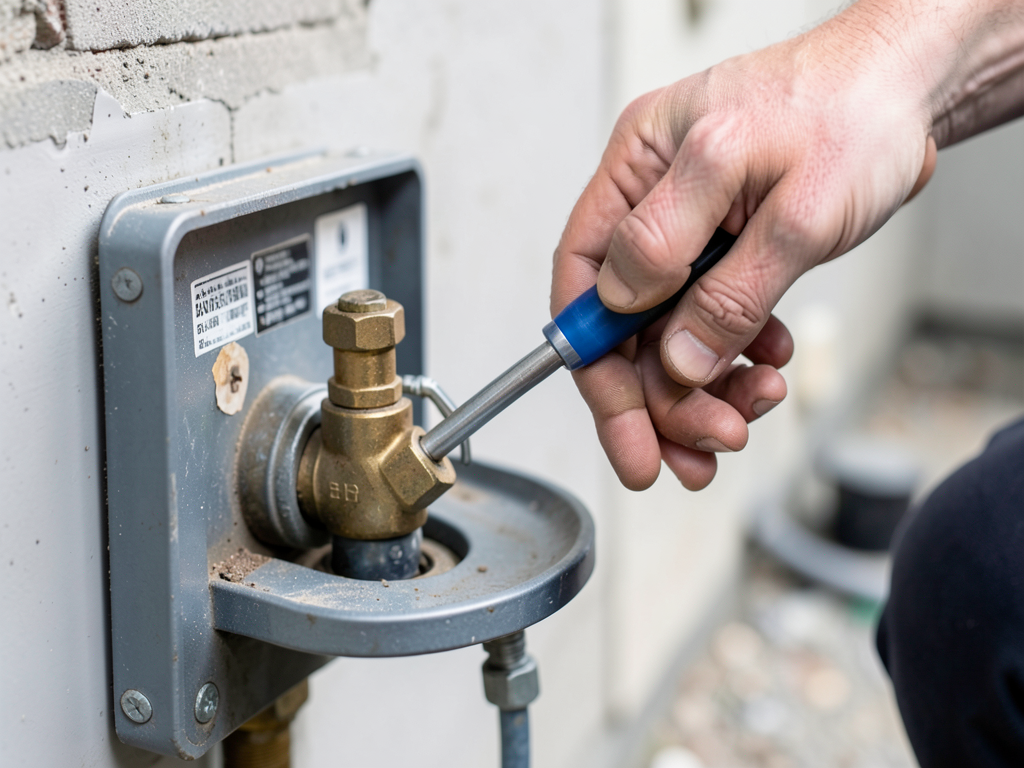
Exterior Wall Location Some homes built in the 1970s have the valve mounted on an outside wall often near the front hose bib. Look for a pipe coming out of the wall with a valve on it. This location makes the valve easy to access but exposes it to weather and potential freezing in rare cold snaps.
Take a flashlight and check these locations systematically. Rural properties often have longer water line runs so your valve might be farther from the house than you expect. If you have a large lot start at the street and work toward your home.
Identifying Gate Valves vs Ball Valves
Knowing which type of valve you have determines how you operate it and what to expect if it’s old. The two main types look and work completely differently.
Gate Valves These have a round wheel handle that you turn multiple times to open or close. They’re common in older homes and can become stuck from mineral buildup or corrosion. Gate valves work by raising or lowering a metal gate inside the valve body. When fully open they allow maximum water flow but they’re prone to seizing if not operated periodically.
Ball Valves These have a lever handle that turns 90 degrees to open or close. When the lever aligns with the pipe the valve is open. When it sits perpendicular to the pipe it’s closed. Ball valves are more reliable and less likely to seize. They’re standard in homes built after 1990 and in any recent plumbing updates.
Gate valves can fail in partially open positions which causes water hammer and pressure issues. Ball valves either work or they don’t with no middle ground. If you have a gate valve and it feels stiff when turning don’t force it. Forcing a stuck gate valve often breaks the stem leaving you with no way to shut off the water.
Using the Curb Key for Street-Level Shut-Off
When your house-side valve fails or you can’t find it you need to access the water meter box and use a curb key. This tool fits onto the meter’s street-side valve which the water authority maintains but allows homeowner emergency access.
Water meter boxes in rural Rainbow typically have a hinged lid that lifts up or a bolt-on lid that requires a special wrench. Inside you’ll see your water meter and two valves. The valve closest to the street belongs to the water authority. The valve closest to your home is the one you can operate in emergencies.
Curb keys are T-shaped metal tools available at hardware stores or online. The key end fits onto the valve’s square stem. Turn the key clockwise to close the valve. You’ll feel resistance when the valve seats fully. Never force beyond this point as you could damage the water authority’s equipment. How to Deal with a Slab Leak in Your Point Loma Home Without Destroying Your Floors.
If your valve box lid is stuck or you can’t locate the right valve call (619) 304-5400. Our technicians carry the proper tools and know exactly how to access these systems without causing damage.
What to Do After Shutting Off the Water
Once you’ve stopped the water flow you need to minimize ongoing damage. Water trapped in your pipes will continue to leak from the break point until pressure equalizes.
Open the lowest faucet in your home completely. This is usually an outdoor hose bib or a basement sink if you have one. Opening this faucet allows water to drain from the system rather than continuing to push through the break. Leave it open until no more water comes out.
Check all other faucets and flush toilets to remove remaining water from supply lines. This step prevents additional pressure buildup and makes cleanup easier. If you have a water heater shut off its supply valve if it’s accessible. This prevents the tank from trying to refill and potentially causing more pressure in the system.
Document everything with photos before starting cleanup. This documentation helps with insurance claims and helps your plumber understand the full scope of damage. Move valuables and electronics away from wet areas immediately.
Call (619) 304-5400 for emergency plumbing service. We provide 24/7 response in rural Rainbow and can often arrive faster than municipal services can dispatch a crew for private property issues.
Testing Your Valve Before You Need It
Don’t wait for an emergency to discover your valve doesn’t work. Test it quarterly by turning it off and on again. This simple maintenance prevents mineral buildup from seizing the valve permanently.
Start by locating your valve and identifying its type. For ball valves a quick 90-degree turn test confirms it moves freely. For gate valves turn the wheel clockwise until you feel resistance then turn it back counterclockwise. The valve should move smoothly through its full range.
If you feel grinding resistance or the valve won’t turn completely don’t force it. This indicates mineral buildup or corrosion that requires professional attention. Forcing a stuck valve often breaks internal components making the situation worse.
Listen for unusual sounds when operating the valve. Grinding or popping noises suggest internal damage. Also check for leaks around the valve stem when you turn it. Even small drips indicate worn seals that will fail completely under emergency pressure.
Mark your calendar to test your valve every three months. This simple habit can save you thousands in water damage and prevent the panic of discovering a failed valve during an actual emergency.
Common Problems with Rural Rainbow Shut-Off Valves
Rural Rainbow’s specific conditions create valve problems you won’t find in newer suburban developments. Understanding these issues helps you identify problems early.
Mineral Buildup San Diego’s hard water leaves calcium and magnesium deposits inside valves. These deposits create a concrete-like buildup that can completely seize a gate valve. You’ll notice this as stiffness when turning the wheel or complete inability to move the valve.
Galvanized Pipe Corrosion Homes built before 1980 often have galvanized steel pipes. The same corrosion that affects the pipes also attacks valve components. You might see rust around valve stems or notice the valve turns roughly with visible debris coming from the valve when operated.
Tree Root Interference Rural properties often have large trees near water lines. Roots can shift pipes over time putting pressure on valves or meter boxes. You might notice your valve box has moved slightly or the valve operates at an odd angle.
Rodent Damage Rural areas have more rodent activity. Mice and rats sometimes nest in meter boxes or chew through valve box lids. Check your valve box periodically for signs of animal activity or damage to the lid seal.
Age-Related Wear Most shut-off valves last 15-20 years with proper maintenance. If your valve is older than this it’s living on borrowed time. Signs of age include visible corrosion, stiff operation, or the valve feeling loose on its stem.
When to Call a Professional Plumber
Some valve problems require immediate professional attention. Knowing when to call can prevent a minor issue from becoming a major emergency.
Seized Valves If your valve won’t turn at all don’t keep trying. Forcing a stuck valve often breaks internal components. A professional plumber has specialized tools to free seized valves without damage.
Leaks Around the Valve Water seeping from around the valve stem or body indicates worn seals. These leaks will only get worse and can cause water damage to walls or floors where the valve is located.
Broken Valve Components If the valve wheel spins freely without turning the internal mechanism or if you see visible cracks in the valve body stop using it immediately. These failures mean the valve cannot reliably shut off water.
Galvanized Pipe Systems If your home still has galvanized pipes throughout the valve replacement becomes more complex. These systems often require complete replacement rather than simple valve repair.
Main Line Issues Problems with the water meter itself or the line between the meter and your home require professional tools and often permits. Don’t attempt to repair these components yourself.
Call (619) 304-5400 if you encounter any of these situations. We provide emergency valve repair and replacement throughout rural Rainbow with the proper tools and parts to fix the problem correctly the first time.
Preventing Future Valve Problems
Once you’ve addressed immediate valve issues take steps to prevent future problems. These simple measures extend valve life and ensure reliability when you need it most.
Regular Operation Turn your main valve off and on every three months. This prevents mineral buildup from seizing the valve and keeps internal components lubricated. Just a few seconds of operation every quarter can add years to valve life.
Water Softener Installation San Diego’s hard water causes most valve problems. A whole-house water softener removes the minerals that create buildup. While this requires an upfront investment it protects all your plumbing fixtures and can prevent costly emergency repairs.
Valve Replacement Schedule Plan to replace gate valves every 15 years and ball valves every 20 years. Even if they seem to work fine older valves become unreliable. Replacing them on your schedule is much cheaper than emergency replacement after a failure.
Clear Access Path Keep the area around your valve clear of storage items and debris. You need to access the valve within seconds during an emergency. A clear path can save valuable minutes when water is actively flooding your home.
Emergency Kit Preparation Keep a flashlight, curb key, and basic plumbing wrench near your valve or in an easily accessible location. These tools allow you to act quickly without searching through dark garages or toolboxes during an emergency.
Local Building Codes and Regulations
San Diego County and the California Plumbing Code establish specific requirements for main water shut-off valves. Understanding these regulations helps you identify proper installations and potential code violations. California Code of Regulations Title 23.
California Plumbing Code Section 603.2 requires a shut-off valve on the main supply pipe where it enters the building. This valve must be accessible and operable without special tools. For residential properties this typically means a valve within 3 feet of where the water line enters the structure.
San Diego County Ordinance mandates that all residential water meter installations include a customer valve on the house side of the meter. This valve must be a full-port ball valve for any installation after 2010. Older installations may still have gate valves which are grandfathered but not recommended for replacement.
California Code of Regulations Title 23 requires that all shut-off valves be installed in an accessible location protected from freezing temperatures. In rural Rainbow this means valves must be installed above the frost line or in heated spaces.
Water Authority Requirements The San Diego County Water Authority requires that all customer-side valves be full-port type to maintain proper water flow and pressure. Partial-port valves can cause pressure drops and are not permitted on new installations.
If your valve installation doesn’t meet these requirements call (619) 304-5400 for an inspection. We can identify code violations and recommend upgrades that ensure your system meets all local requirements.
Special Considerations for Rural Properties
Rural Rainbow properties face unique challenges that affect valve selection and placement. Understanding these factors helps you make better decisions about your plumbing system.
Longer Water Line Runs Rural properties often have water lines running hundreds of feet from the street to the house. This creates more potential failure points and makes proper valve placement critical. We recommend installing a secondary shut-off valve near the house even if your main valve is at the street.
Well Water Systems Some rural properties use well water instead of municipal supply. Well systems require different valve configurations including pressure tank isolation valves and pump shut-off switches. These systems need specialized knowledge for proper maintenance and repair.
Fire Protection Systems Rural properties sometimes have fire sprinklers or other fire protection systems. These systems require backflow preventers and often have their own isolation valves. Shutting off your main water without understanding these systems can disable fire protection.
Agricultural Water Lines Properties with agricultural uses may have separate irrigation systems with their own valves. Understanding how these systems interconnect with your domestic water supply prevents accidental shutdowns of critical irrigation during growing seasons.
Power Outage Considerations Rural areas experience more frequent power outages which can affect well pumps and pressure systems. Consider installing battery backup systems for critical valves or choosing manual override options for automated systems.
Call (619) 304-5400 for a comprehensive evaluation of your rural property’s water system. We understand the unique challenges of rural Rainbow properties and can recommend solutions that protect your home and property.
Emergency Contact Information
Save this information in your phone now. When water is flooding your home you won’t have time to search for help.
Ace Plumbing San Diego
Emergency Service: (619) 304-5400
Available 24/7 throughout rural Rainbow and San Diego County
Average response time: 45-90 minutes depending on location and traffic conditions
San Diego County Water Authority
Non-emergency line: (858) 522-6700
Emergency line: Available through local dispatch
Best for street-side meter issues or main line breaks
Local Fire Department
Rainbow: (760) 728-4422
For life-threatening emergencies or when water threatens electrical systems
Program these numbers into your phone today. Water damage gets more expensive every minute it continues. Having the right contacts ready can save you thousands in repair costs.
Frequently Asked Questions
How do I know if my main water shut-off valve is working?
Test your valve by turning it clockwise until it stops then turning it back counterclockwise. The valve should move smoothly through its full range without grinding or sticking. If you feel resistance or the valve won’t turn completely it may be seized from mineral buildup and need professional attention.
What should I do if I can’t find my main water shut-off valve?
Start by checking common locations: the garage near the water heater, an exterior wall near the front of the house, or the ground-level meter box near the street. If you still can’t find it look for where the main water line enters your home and trace it to the nearest valve. If all else fails call (619) 304-5400 for professional assistance.
How much does it cost to replace a main water shut-off valve?
Valve replacement costs vary based on valve type, location, and accessibility. Simple ball valve replacements typically cost $250-$400 while complex replacements involving galvanized pipes or difficult access can cost $600-$1,200. Emergency replacements often cost 50-100% more than scheduled replacements.
Can I shut off my water at the street if my house valve fails?
Yes, you can use a curb key to turn off the valve in your water meter box. This valve is designed for emergency customer use. However, if you’re unsure which valve to turn or if the box is stuck, call a professional plumber to avoid damaging the water authority’s equipment.
How often should I test my main water shut-off valve?
Test your valve every three months by turning it off and on again. This prevents mineral buildup from seizing the valve and ensures it will work when you need it most. Regular testing can extend valve life by several years and prevent emergency failures.
What’s the difference between a gate valve and a ball valve?
Gate valves have a round wheel handle that turns multiple times and use a sliding gate mechanism. They’re common in older homes but prone to seizing. Ball valves have a lever handle that turns 90 degrees and use a rotating ball mechanism. They’re more reliable and less likely to fail but cost slightly more.
Should I replace my old gate valve with a ball valve?
Yes, if your gate valve is over 15 years old or shows signs of sticking, we recommend upgrading to a ball valve. Ball valves are more reliable, easier to operate in emergencies, and less likely to fail when you need them most. The upgrade cost is minimal compared to potential water damage from valve failure.
What do I do if my valve breaks while I’m trying to turn it off?
If the valve handle breaks or the valve spins freely without stopping water flow, immediately use a curb key to shut off water at the meter box. Then call (619) 304-5400 for emergency valve replacement. Do not attempt to repair a broken valve yourself as this often causes more damage.
{
“@context”: “https://schema.org”,
“@type”: “BlogPosting”,
“headline”: “Finding and Testing Your Main Water Shut-Off Valve in Rural Rainbow Before an Emergency Hits”,
“description”: “Learn where your main water shut-off valve is located in rural Rainbow and how to test it before an emergency strikes. Expert tips from San Diego plumbers.”,
“wordCount”: 3368,
“datePublished”: “2026-06-10T11:45:00.000Z”,
“dateModified”: “2026-06-10T11:45:00.000Z”,
“inLanguage”: “en-US”,
“mainEntityOfPage”: {
“@type”: “WebPage”,
“@id”: “https://aceplumbingsandiego.com”
},
“publisher”: {
“@type”: “LocalBusiness”,
“name”: “Ace Plumbing San Diego”,
“url”: “https://aceplumbingsandiego.com”
},
“author”: {
“@type”: “Organization”,
“name”: “Ace Plumbing San Diego”,
“url”: “https://aceplumbingsandiego.com”
},
“image”: {
“@type”: “ImageObject”,
“url”: “https://aceplumbingsandiego.com/wp-content/uploads/2026/03/finding-and-testing-your-main-water-shut-off-valve-1.png”
}
}
{
“@context”: “https://schema.org”,
“@type”: “Plumber”,
“name”: “Ace Plumbing San Diego”,
“url”: “https://aceplumbingsandiego.com”,
“address”: {
“@type”: “PostalAddress”,
“addressLocality”: “San Diego”
},
“areaServed”: {
“@type”: “City”,
“name”: “San Diego”
}
}
{
“@context”: “https://schema.org”,
“@type”: “FAQPage”,
“mainEntity”: [
{
“@type”: “Question”,
“name”: “How do I know if my main water shut-off valve is working?”,
“acceptedAnswer”: {
“@type”: “Answer”,
“text”: “Test your valve by turning it clockwise until it stops then turning it back counterclockwise. The valve should move smoothly through its full range without grinding or sticking. If you feel resistance or the valve won’t turn completely it may be seized from mineral buildup and need professional attention.”
}
},
{
“@type”: “Question”,
“name”: “What should I do if I can’t find my main water shut-off valve?”,
“acceptedAnswer”: {
“@type”: “Answer”,
“text”: “Start by checking common locations: the garage near the water heater, an exterior wall near the front of the house, or the ground-level meter box near the street. If you still can’t find it look for where the main water line enters your home and trace it to the nearest valve. If all else fails call (619) 304-5400 for professional assistance.”
}
},
{
“@type”: “Question”,
“name”: “How much does it cost to replace a main water shut-off valve?”,
“acceptedAnswer”: {
“@type”: “Answer”,
“text”: “Valve replacement costs vary based on valve type, location, and accessibility. Simple ball valve replacements typically cost $250-$400 while complex replacements involving galvanized pipes or difficult access can cost $600-$1,200. Emergency replacements often cost 50-100% more than scheduled replacements.”
}
},
{
“@type”: “Question”,
“name”: “Can I shut off my water at the street if my house valve fails?”,
“acceptedAnswer”: {
“@type”: “Answer”,
“text”: “Yes, you can use a curb key to turn off the valve in your water meter box. This valve is designed for emergency customer use. However, if you’re unsure which valve to turn or if the box is stuck, call a professional plumber to avoid damaging the water authority’s equipment.”
}
},
{
“@type”: “Question”,
“name”: “How often should I test my main water shut-off valve?”,
“acceptedAnswer”: {
“@type”: “Answer”,
“text”: “Test your valve every three months by turning it off and on again. This prevents mineral buildup from seizing the valve and ensures it will work when you need it most. Regular testing can extend valve life by several years and prevent emergency failures.”
}
},
{
“@type”: “Question”,
“name”: “What’s the difference between a gate valve and a ball valve?”,
“acceptedAnswer”: {
“@type”: “Answer”,
“text”: “Gate valves have a round wheel handle that turns multiple times and use a sliding gate mechanism. They’re common in older homes but prone to seizing. Ball valves have a lever handle that turns 90 degrees and use a rotating ball mechanism. They’re more reliable and less likely to fail but cost slightly more.”
}
},
{
“@type”: “Question”,
“name”: “Should I replace my old gate valve with a ball valve?”,
“acceptedAnswer”: {
“@type”: “Answer”,
“text”: “Yes, if your gate valve is over 15 years old or shows signs of sticking, we recommend upgrading to a ball valve. Ball valves are more reliable, easier to operate in emergencies, and less likely to fail when you need them most. The upgrade cost is minimal compared to potential water damage from valve failure.”
}
},
{
“@type”: “Question”,
“name”: “What do I do if my valve breaks while I’m trying to turn it off?”,
“acceptedAnswer”: {
“@type”: “Answer”,
“text”: “If the valve handle breaks or the valve spins freely without stopping water flow, immediately use a curb key to shut off water at the meter box. Then call (619) 304-5400 for emergency valve replacement. Do not attempt to repair a broken valve yourself as this often causes more damage.”
}
}
]
}
{
“@context”: “https://schema.org”,
“@type”: “BreadcrumbList”,
“itemListElement”: [
{
“@type”: “ListItem”,
“position”: 1,
“name”: “Home”,
“item”: “https://aceplumbingsandiego.com”
},
{
“@type”: “ListItem”,
“position”: 2,
“name”: “Blog”,
“item”: “https://aceplumbingsandiego.com/blog”
},
{
“@type”: “ListItem”,
“position”: 3,
“name”: “Finding and Testing Your Main Water Shut-Off Valve in Rural Rainbow Before an Emergency Hits”
}
]
}
{
“@context”: “https://schema.org”,
“@type”: “Service”,
“serviceType”: “Plumbing”,
“provider”: {
“@type”: “LocalBusiness”,
“name”: “Ace Plumbing San Diego”,
“url”: “https://aceplumbingsandiego.com”
},
“areaServed”: {
“@type”: “City”,
“name”: “San Diego”
},
“description”: “Learn where your main water shut-off valve is located in rural Rainbow and how to test it before an emergency strikes. Expert tips from San Diego plumbers.”
}