
Designing the Plumbing for a New Pool House or Cabana in Bonita
Building a pool house or cabana in Bonita requires careful plumbing planning to ensure functionality, code compliance, and water efficiency. Whether you’re adding a simple changing area or a full guest suite, understanding the local requirements and technical considerations will save you time and prevent costly mistakes. Dealing with Hard Water in Oceanside with a Professional Softener System.
The first decision involves determining your pool house’s purpose. A basic changing room needs minimal plumbing—just a floor drain and possibly an outdoor shower. A full bathroom requires hot and cold water lines, drainage, venting, and sewer connections. Adding a kitchenette or wet bar introduces gas lines, additional drainage, and possibly greywater systems. Each configuration affects your permit requirements and construction timeline differently.. Read more about Planning an Outdoor Shower for Your Bird Rock Beach House.
San Diego County requires permits for any pool house with plumbing fixtures. The Development Services Department evaluates accessory structures based on size, plumbing fixtures, and electrical systems. A structure under 120 square feet without plumbing might qualify as an exempt accessory building. However, adding even one plumbing fixture triggers full permit requirements, including plan review, inspections, and compliance with California Building Code and Title 24 energy standards. San Diego County Development Services Department.
Water pressure presents a common challenge for pool houses located away from the main residence. Extending existing supply lines often results in insufficient pressure for multiple fixtures. Installing a dedicated pressure tank or booster pump ensures consistent flow for showers and sinks. The system must include a backflow prevention device to protect the main water supply from contamination, as required by California Code of Regulations Title 17.. Read more about How to get instant hot water in your Del Cerro home without wasting gallons down the drain.
Drainage design requires careful slope calculations. Shower and sink drains need a minimum 1/4 inch per foot slope toward the main sewer line. When the pool house sits below the main residence’s sewer elevation, gravity drainage becomes impossible. In these cases, a sewage ejector pump becomes necessary. These systems grind waste and pump it uphill to connect with the main sewer line. The pump requires a vent pipe extending through the roof and a check valve to prevent backflow.
Outdoor showers need special consideration for freeze protection, even in Bonita’s mild climate. Installing a frost-proof valve with an internal shut-off allows you to drain the system during rare freezing weather. The shower base requires a properly sloped concrete pad with a floor drain connected to the main drainage system. Without proper drainage, water can pool and create slip hazards or mosquito breeding grounds. How to Deal with a Slab Leak in Your Point Loma Home Without Destroying Your Floors.
Material selection impacts long-term durability. PEX piping offers flexibility for underground runs and resists freeze damage better than copper. However, copper remains the standard for exposed indoor plumbing due to its heat resistance and proven longevity. For coastal areas like Bonita, use corrosion-resistant fixtures with brushed nickel or stainless steel finishes. These materials withstand salt air better than standard chrome-plated brass.. Read more about The pros and cons of PEX vs copper piping for your Linda Vista home renovation.
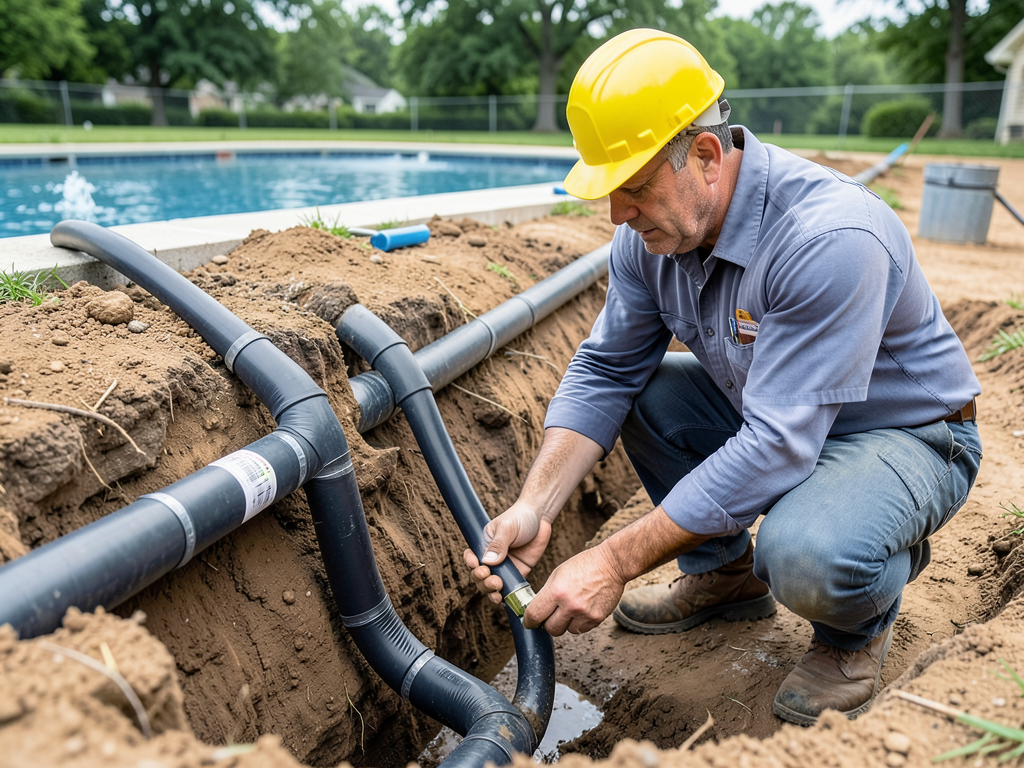
Trench depth requirements vary based on location and pipe type. Water supply lines need burial at least 12 inches below grade, while sewer lines require 18-24 inches minimum depth. In areas with expansive clay soil common to parts of San Diego County, deeper trenches with proper bedding material prevent pipe movement and joint separation. Always call 811 before digging to locate existing utility lines. EPA WaterSense certification program.
Hot water delivery presents efficiency opportunities. Point-of-use tankless water heaters eliminate long wait times and wasted water. These compact units mount under sinks and provide instant hot water without the standby losses of traditional tank heaters. For pool houses with multiple fixtures, a small tankless system might serve all needs while staying within California’s Title 24 energy efficiency requirements.
Ventilation prevents moisture buildup and mold growth. Every bathroom fixture needs proper venting to maintain trap seals and prevent sewer gas entry. The vent pipe must extend through the roof and terminate at least 12 inches above the roof surface. In pool houses with limited roof space, AAV (air admittance valves) offer an alternative, though local codes may restrict their use.
Greywater systems can reduce water consumption by reusing sink and shower water for landscape irrigation. California’s greywater code allows simple systems for single-family residences, but they require specific design elements including 2-inch minimum pipe size, proper labeling, and separation from potable water systems. The system cannot irrigate food crops or areas where children play.
Floor drains in pool houses serve multiple purposes. They handle shower water, mop water, and accidental spills. The drain must connect to the main sewer system with a trap to prevent odors. For areas prone to flooding, a sump pump with battery backup provides additional protection. The pump activates when water reaches a certain level and discharges through a dedicated line away from the structure.
Gas line installation for outdoor kitchens requires licensed professionals. Black iron pipe runs underground need proper burial depth and protective sleeves where they penetrate walls. The system must include a shut-off valve accessible from the exterior. All gas work requires permits and inspections to ensure safety compliance with California’s strict regulations.
Winterization procedures matter even in Southern California. While freezing temperatures rarely occur in Bonita, occasional cold snaps can damage exposed pipes. Installing drain valves at low points in the system allows complete water removal. For vacation properties, consider a blow-out system using compressed air to clear all water from supply lines and traps.
Water conservation features align with California’s drought-conscious culture. Low-flow showerheads use 1.5 gallons per minute compared to standard 2.5 GPM fixtures. Dual-flush toilets offer 0.8 or 1.6 gallon options. These fixtures meet CalGreen requirements and reduce utility costs while maintaining user satisfaction. Some jurisdictions offer rebates for water-efficient upgrades.. Read more about Choosing a toilet that actually flushes well for your Logan Heights remodel.
Permit processing typically takes 2-4 weeks for pool house plumbing plans. The review checks for code compliance, proper fixture counts, and adequate venting. Once approved, you can begin construction. Rough-in inspections occur after underground piping installation but before wall closure. Final inspections verify all fixtures operate correctly and meet code requirements.
Cost factors vary significantly based on distance from the main residence. Running new supply and sewer lines 50 feet might cost $3,000-5,000, while 150-foot runs can exceed $10,000 due to trenching, permits, and materials. Underground obstacles like tree roots, rock, or existing utilities increase costs unpredictably. Always budget 15-20% for contingencies.
Acoustic considerations affect fixture selection. Tankless water heaters operate more quietly than traditional tanks with burners and flues. Choose fixtures with sound ratings under 40 decibels for a peaceful environment. For pool houses used as guest quarters, noise reduction becomes particularly important for guest comfort.
Accessibility requirements may apply depending on your pool house size and intended use. California Building Code requires grab bars, roll-in showers, and proper clearances for public accommodations. Even private residences benefit from barrier-free design, especially in multigenerational households. Planning for accessibility during initial construction costs less than retrofitting later.
Smart technology integration offers convenience and efficiency. Leak detection sensors alert you to problems before major damage occurs. Smart water heaters allow remote temperature control and usage monitoring. These systems connect to your home network and often integrate with whole-house automation systems.
Maintenance considerations affect long-term satisfaction. Accessible shut-off valves for each fixture simplify repairs. Cleanouts at strategic points in the drainage system allow easy clearing of blockages. Planning for maintenance during design prevents difficult access issues later.
Environmental impact extends beyond water conservation. Choose fixtures with WaterSense certification for guaranteed efficiency. Consider solar water heating for outdoor showers to reduce energy consumption. Proper insulation of hot water pipes prevents heat loss and reduces wait times for hot water.
Professional installation ensures code compliance and system reliability. Licensed plumbers understand local requirements and can navigate permit processes efficiently. They also provide warranties on their work, protecting your investment. While DIY might seem cost-effective initially, mistakes often cost more to correct than professional installation would have cost originally.
The success of your pool house project depends on thorough planning and professional execution. Understanding these plumbing considerations helps you make informed decisions and communicate effectively with contractors. Whether you’re building a simple changing area or a luxurious guest suite, proper plumbing design ensures years of trouble-free use.
Pool House Plumbing Configuration Comparison
| Configuration | Plumbing Fixtures | Permit Required | Estimated Cost Range |
|---|---|---|---|
| Basic Changing Room | Floor drain, outdoor shower | No (under 120 sq ft) | $500 – $1,500 |
| Half Bathroom | Toilet, sink, shower | Yes | $8,000 – $15,000 |
| Full Bathroom with Kitchenette | Toilet, sink, shower, sink, wet bar | Yes | $15,000 – $30,000 |
Material Selection Guide for Pool House Plumbing
| Application | Recommended Material | Advantages | Disadvantages |
|---|---|---|---|
| Underground Water Supply | PEX | Flexible, freeze-resistant, easy to install | UV sensitive, not for outdoor exposure |
| Indoor Water Supply | Copper | Durable, heat resistant, code approved | Expensive, can corrode in some water |
| Drainage | ABS or PVC | Lightweight, inexpensive, easy to join | Can become brittle with UV exposure |
Permit Requirements Checklist
- Building Permit – Required for any structure with plumbing fixtures
- Plumbing Permit – Covers all water supply and drainage work
- Electrical Permit – If adding lighting or outlets
- Plan Review – Submit detailed drawings for approval
- Inspections – Rough-in, underground, and final inspections required
Frequently Asked Questions
How far can I run plumbing from my main house to a pool house?
Distance affects water pressure and cost. Runs under 100 feet typically work with proper sizing. Beyond that, you may need pressure boosters or larger diameter pipes. Each 100-foot run adds approximately $2,000-4,000 to trenching and piping costs.
Do I need a separate water heater for my pool house?
Not necessarily. Extending your main water heater works for short runs under 50 feet. For longer distances or frequent use, a point-of-use tankless heater provides instant hot water without wasting energy heating unused water in long supply lines.
What’s the best way to handle drainage if my pool house sits lower than my main house?
A sewage ejector pump becomes necessary when gravity drainage isn’t possible. These systems grind waste and pump it uphill to connect with your main sewer line. The pump requires a vent pipe and check valve, and must be accessible for maintenance.
How deep should plumbing trenches be in San Diego?
Water supply lines need 12 inches minimum depth, while sewer lines require 18-24 inches. In areas with expansive clay soil, deeper trenches with proper bedding prevent pipe movement. Always call 811 before digging to locate existing utilities.
Can I use PEX piping for my pool house plumbing?
Yes, PEX works excellently for underground supply lines due to its flexibility and freeze resistance. However, use copper for exposed indoor plumbing since PEX degrades with UV exposure. PEX also expands slightly if frozen, reducing burst risk compared to rigid piping.
Ready to start your pool house plumbing project? Call (619) 304-5400 today to schedule your consultation. Our licensed plumbers understand Bonita’s specific requirements and can help you design a system that works perfectly for your needs.
{
“@context”: “https://schema.org”,
“@type”: “BlogPosting”,
“headline”: “Designing the Plumbing for a New Pool House or Cabana in Bonita”,
“description”: “Expert guide to pool house plumbing in Bonita. Learn San Diego permit requirements, drainage solutions, and water-efficient fixtures for your outdoor living space.”,
“wordCount”: 1817,
“datePublished”: “2026-03-22T10:19:00.000Z”,
“dateModified”: “2026-03-22T10:19:00.000Z”,
“inLanguage”: “en-US”,
“mainEntityOfPage”: {
“@type”: “WebPage”,
“@id”: “https://aceplumbingsandiego.com”
},
“publisher”: {
“@type”: “LocalBusiness”,
“name”: “Ace Plumbing San Diego”,
“url”: “https://aceplumbingsandiego.com”
},
“author”: {
“@type”: “Organization”,
“name”: “Ace Plumbing San Diego”,
“url”: “https://aceplumbingsandiego.com”
},
“image”: {
“@type”: “ImageObject”,
“url”: “https://aceplumbingsandiego.com/wp-content/uploads/2026/03/designing-the-plumbing-for-a-new-pool-house-or-cab-1.png”
}
}
{
“@context”: “https://schema.org”,
“@type”: “Plumber”,
“name”: “Ace Plumbing San Diego”,
“url”: “https://aceplumbingsandiego.com”,
“address”: {
“@type”: “PostalAddress”,
“addressLocality”: “San Diego”
},
“areaServed”: {
“@type”: “City”,
“name”: “San Diego”
}
}
{
“@context”: “https://schema.org”,
“@type”: “FAQPage”,
“mainEntity”: [
{
“@type”: “Question”,
“name”: “How far can I run plumbing from my main house to a pool house?”,
“acceptedAnswer”: {
“@type”: “Answer”,
“text”: “Distance affects water pressure and cost. Runs under 100 feet typically work with proper sizing. Beyond that, you may need pressure boosters or larger diameter pipes. Each 100-foot run adds approximately $2,000-4,000 to trenching and piping costs.”
}
},
{
“@type”: “Question”,
“name”: “Do I need a separate water heater for my pool house?”,
“acceptedAnswer”: {
“@type”: “Answer”,
“text”: “Not necessarily. Extending your main water heater works for short runs under 50 feet. For longer distances or frequent use, a point-of-use tankless heater provides instant hot water without wasting energy heating unused water in long supply lines.”
}
},
{
“@type”: “Question”,
“name”: “What’s the best way to handle drainage if my pool house sits lower than my main house?”,
“acceptedAnswer”: {
“@type”: “Answer”,
“text”: “A sewage ejector pump becomes necessary when gravity drainage isn’t possible. These systems grind waste and pump it uphill to connect with your main sewer line. The pump requires a vent pipe and check valve, and must be accessible for maintenance.”
}
},
{
“@type”: “Question”,
“name”: “How deep should plumbing trenches be in San Diego?”,
“acceptedAnswer”: {
“@type”: “Answer”,
“text”: “Water supply lines need 12 inches minimum depth, while sewer lines require 18-24 inches. In areas with expansive clay soil, deeper trenches with proper bedding prevent pipe movement. Always call 811 before digging to locate existing utilities.”
}
},
{
“@type”: “Question”,
“name”: “Can I use PEX piping for my pool house plumbing?”,
“acceptedAnswer”: {
“@type”: “Answer”,
“text”: “Yes, PEX works excellently for underground supply lines due to its flexibility and freeze resistance. However, use copper for exposed indoor plumbing since PEX degrades with UV exposure. PEX also expands slightly if frozen, reducing burst risk compared to rigid piping.”
}
}
]
}
{
“@context”: “https://schema.org”,
“@type”: “BreadcrumbList”,
“itemListElement”: [
{
“@type”: “ListItem”,
“position”: 1,
“name”: “Home”,
“item”: “https://aceplumbingsandiego.com”
},
{
“@type”: “ListItem”,
“position”: 2,
“name”: “Blog”,
“item”: “https://aceplumbingsandiego.com/blog”
},
{
“@type”: “ListItem”,
“position”: 3,
“name”: “Designing the Plumbing for a New Pool House or Cabana in Bonita”
}
]
}
{
“@context”: “https://schema.org”,
“@type”: “Service”,
“serviceType”: “Plumbing”,
“provider”: {
“@type”: “LocalBusiness”,
“name”: “Ace Plumbing San Diego”,
“url”: “https://aceplumbingsandiego.com”
},
“areaServed”: {
“@type”: “City”,
“name”: “San Diego”
},
“description”: “Expert guide to pool house plumbing in Bonita. Learn San Diego permit requirements, drainage solutions, and water-efficient fixtures for your outdoor living space.”
}