
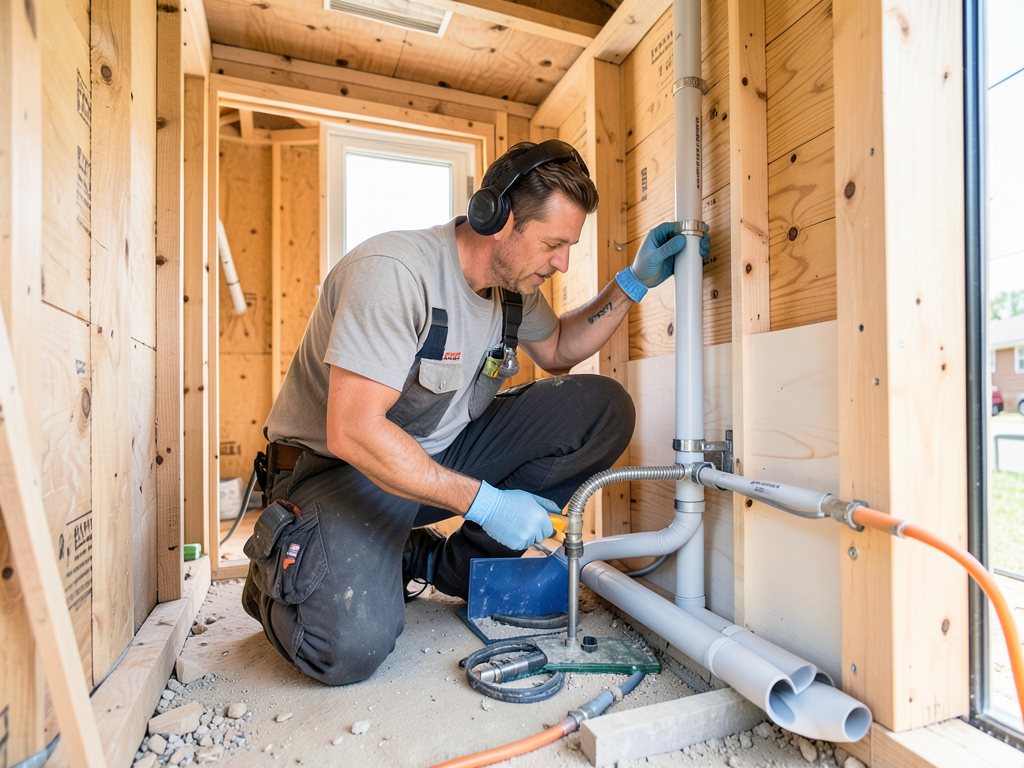
Designing a Reliable Plumbing System for Your New Valley Center Tiny Home
Building a tiny home in Valley Center means designing every inch with purpose. Plumbing systems for small spaces require precision planning to handle daily needs while meeting San Diego County regulations. You need a system that conserves water maximizes space and functions reliably in our semi-arid climate. Dealing with Hard Water in Oceanside with a Professional Softener System.
Valley Center’s rural setting creates unique challenges. Water pressure varies across the area due to elevation changes. Many properties sit on expansive clay soil that shifts with moisture changes. These factors affect pipe routing and fixture selection for tiny homes.
The right plumbing design prevents costly repairs later. A properly sized system handles peak demand without wasting resources. Smart fixture placement reduces pipe runs and heat loss. Understanding local codes ensures your tiny home passes inspection the first time. How to Deal with a Slab Leak in Your Point Loma Home Without Destroying Your Floors.
Understanding Valley Center’s Water Supply Challenges
Valley Center relies on imported water through the San Diego County Water Authority. This creates pressure fluctuations throughout the day as demand changes. Your tiny home needs pressure regulation to protect fixtures and appliances.
Hard water is common in Valley Center due to mineral content in imported supplies. Calcium and magnesium buildup can clog small pipes quickly. Installing a water softener prevents scale formation and extends system life.
Many Valley Center properties use well water instead of municipal supply. Well systems require different pressure tank sizing and filtration. Testing water quality determines what treatment your system needs.
Winter temperatures occasionally drop below freezing in Valley Center’s inland location. While rare frozen pipes can burst and cause major damage. Proper insulation protects vulnerable areas.
San Diego County ADU Plumbing Regulations
Valley Center falls under San Diego County jurisdiction for building permits. The county follows California Plumbing Code with local amendments. Your tiny home must meet minimum fixture requirements even in small spaces.
San Diego County requires separate water and sewer connections for permanent tiny homes. Mobile units need RV-style hookups with proper backflow prevention. The county enforces strict cross-connection control to prevent contamination.
Greywater systems require permits in San Diego County. You must submit detailed plans showing irrigation areas and filtration methods. The county limits greywater use to subsurface drip systems for health safety.
Composting toilets are allowed but need proper ventilation and access for maintenance. Black water from standard toilets must connect to approved sewer or septic systems. No direct discharge to ground is permitted.
Building inspections occur at rough-in and final stages. Inspectors verify pipe sizing venting and fixture installation meets code requirements. Missing inspections delays occupancy permits.
Space-Saving Plumbing Design Strategies
Tiny homes demand creative solutions for limited space. PEX piping works better than rigid copper in confined areas. Flexible PEX bends around obstacles without fittings reducing leak points.
Stacking fixtures vertically saves horizontal space. Place bathroom above kitchen to share waste lines. This reduces pipe runs and simplifies venting. Use wall-mounted toilets and vanities to free floor space.
Compact water heaters fit under sinks or in cabinets. Tankless electric models work well in tiny homes with limited gas access. Point-of-use heaters eliminate long hot water waits.
Hidden plumbing chases maximize storage. Build cabinets around pipes instead of around them. Use decorative covers that access shut-off valves. Every cubic inch counts in tiny home design.. Read more about Hidden Dangers of Improper Water Heater Venting in Your Lincoln Park Home.
Outdoor connections need freeze protection. Use insulated hose bibs and drain-back systems. Consider weatherproof enclosures for exposed pipes. Valley Center’s temperature swings demand reliable freeze prevention.
Water Conservation Systems for Tiny Homes
Water efficiency matters more in tiny homes than standard houses. Low-flow fixtures reduce consumption without sacrificing performance. Look for WaterSense labeled products that meet EPA standards.
Greywater recycling captures sink and shower water for irrigation. Simple systems use manual valves to divert water to landscape. Complex systems filter and store greywater for multiple uses.
Rainwater harvesting supplements municipal supply. Valley Center receives about 15 inches of rain annually. A 500-square-foot roof yields roughly 4500 gallons yearly. Storage tanks need freeze protection and proper overflow.
Dual-flush toilets save significant water. Standard flush uses 1.6 gallons while reduced flush uses 0.8 gallons. Over a year this cuts water use by thousands of gallons.
Leak detection prevents waste in tiny homes. Small spaces mean small damage areas but big consequences. Install water alarms near fixtures and main supply lines.
Heating and Hot Water Solutions
Hot water delivery affects tiny home comfort and efficiency. Long pipe runs waste energy and water. Point-of-use heaters eliminate wait times and reduce waste.
Electric tankless heaters work well for single fixtures. Gas tankless models handle multiple fixtures but need proper venting. Consider your power source availability when selecting heaters.
Recirculation systems provide instant hot water but use energy continuously. They make sense for frequently used fixtures. Use timers or motion sensors to reduce operating costs.
Solar water heating reduces energy costs in sunny Valley Center. Collectors mount on roofs or ground racks. Backup heaters ensure hot water during cloudy periods.
Heat pump water heaters extract heat from surrounding air. They work efficiently in warm climates but need ventilation. Consider noise levels in tiny home applications.
Waste Management Options
Tiny homes need waste solutions that fit limited space. Composting toilets eliminate black water but require maintenance. They work best for off-grid applications with limited sewer access.
Standard flush toilets connect to septic or sewer systems. Low-flush models reduce water use while maintaining performance. Consider your property’s waste handling capacity when selecting fixtures.
Greywater systems separate sink and shower water from toilet waste. This reduces septic load and enables landscape irrigation. County permits required for all greywater installations.
Macerating toilets pump waste uphill to sewer connections. They work where gravity drainage isn’t possible. Consider noise levels and maintenance access in tiny home applications.
Portable waste tanks serve mobile tiny homes temporarily. They require regular emptying at approved dump stations. Not suitable for permanent installations in Valley Center.
Material Selection for Durability
Pipe material affects system longevity and performance. PEX resists freeze damage and chemical corrosion. It flexes with building movement common in tiny homes.
CPVC works for hot water distribution but becomes brittle over time. Use only where temperatures stay moderate. Avoid in areas exposed to direct sunlight.
Copper lasts decades but costs more and requires skilled installation. It resists UV damage but corrodes in acidic water. Test your water chemistry before selecting copper.
Stainless steel fixtures resist corrosion in Valley Center’s hard water. They cost more initially but last longer than chrome-plated alternatives. Consider total lifecycle costs.
Brass fittings provide reliable connections but contain lead in some alloys. Choose lead-free brass for drinking water systems. Verify compliance with California’s strict lead regulations.
Installation Best Practices
Proper installation prevents most plumbing failures. Support pipes every 4-6 feet to prevent sagging. Use appropriate hangers for different pipe materials.
Slope drain lines at 1/4 inch per foot for proper flow. Too steep causes water to leave solids behind. Too shallow causes slow drainage and clogs.
Vent pipes equalize pressure in drain systems. Every fixture needs proper venting to prevent trap siphonage. Use air admittance valves where roof penetration isn’t possible.
Pressure test new installations before covering walls. Pressurize to 1.5 times working pressure and check for leaks. Fix problems before they become expensive repairs.
Insulate pipes in exterior walls and under floors. Use foam sleeves or fiberglass wrap. Pay special attention to areas near windows and doors.
Maintenance Requirements
Tiny home plumbing needs regular maintenance despite smaller size. Check for leaks monthly under sinks and around fixtures. Small leaks waste water and cause damage quickly.
Clean faucet aerators every six months to remove mineral buildup. Hard water deposits reduce flow and affect performance. Soak in vinegar solution to dissolve scale.
Flush water heater annually to remove sediment. This maintains efficiency and extends tank life. Turn off power and water before draining.
Inspect supply lines for wear or damage. Replace flexible connectors every five years as preventive maintenance. Look for bulging cracking or corrosion.
Test backflow prevention devices annually. These protect your drinking water from contamination. County regulations may require professional testing and certification.
Cost Considerations
Tiny home plumbing costs less than standard houses but requires careful budgeting. Basic systems run $3000-$5000 for materials and simple installation. Complex systems with greywater or solar heating cost $8000-$12000.
Permit fees vary by system complexity. Simple water and sewer connections cost $500-$1000. Greywater systems add $300-$500 for additional permits. Solar permits add similar fees.
DIY installation saves labor costs but risks code violations. Professional installation ensures compliance and warranty coverage. Consider your skill level before attempting complex work.
High-quality fixtures cost more initially but reduce maintenance expenses. Cheap fixtures fail more often and waste water. Calculate total ownership costs over system life.
Energy-efficient systems reduce monthly utility bills. Tankless heaters save $50-$100 yearly compared to standard tanks. Greywater systems cut irrigation costs significantly.
Common Problems and Solutions
Low water pressure frustrates tiny home owners. Check pressure regulator settings first. Clean aerators and showerheads to remove mineral buildup. Consider booster pumps for problematic areas. Site Settings.
Freezing pipes cause emergency repairs in Valley Center’s occasional cold snaps. Insulate vulnerable areas and drain outdoor lines. Install heat tape on exposed pipes in problem areas. Finding an Emergency Plumber in North Park Who Actually Picks Up the Phone.
Sewer odors indicate venting problems or dry traps. Run water in unused fixtures weekly. Check vent pipes for blockages from debris or animal nests.
Water hammer creates banging noises in pipes. Install water hammer arrestors near quick-closing valves. Secure loose pipes to prevent movement and noise.
Cross-connection contamination risks health problems. Test backflow preventers annually. Never connect irrigation systems directly to drinking water without proper protection.
Future Expansion Planning
Design your tiny home plumbing for possible future changes. Oversize main supply lines slightly to accommodate additions. Include extra shut-off valves for easier modifications.
Plan for potential solar water heating additions. Run conduit for future electrical connections. Leave space in mechanical areas for expansion.
Consider outdoor living space plumbing needs. Include stub-outs for future outdoor kitchens or showers. Proper planning prevents expensive retrofits later.
Document your system layout thoroughly. Create as-built drawings showing pipe locations and fixture connections. This helps future owners or service technicians.
Choose scalable components that work in both small and expanded systems. Modular designs allow easy upgrades without complete replacement.
Emergency Preparedness
Tiny homes need emergency shut-off procedures. Locate main water shut-off valve where easily accessible. Label all valves clearly for quick identification during emergencies.
Install water alarms in key locations. Place sensors under sinks near water heaters and in mechanical areas. Early leak detection prevents major damage.
Keep basic repair supplies on hand. Include pipe repair clamps replacement washers and emergency plumbing tape. Know how to use these tools before emergencies occur.
Have a backup water plan for outages. Store emergency water in food-grade containers. Know your property’s well location if applicable.
Develop relationships with local plumbers before emergencies. Save contact information in multiple locations. Consider service agreements for priority response.
Environmental Considerations
Tiny homes offer environmental benefits through reduced resource consumption. Efficient plumbing systems maximize these advantages. Choose environmentally friendly materials when possible.
Low-flow fixtures conserve water without sacrificing performance. Modern designs maintain pressure while reducing volume. This helps Valley Center’s limited water resources.
Energy-efficient water heating reduces carbon footprint. Solar systems produce zero emissions during operation. Heat pump technology uses less electricity than resistance heating.
Greywater systems reduce fresh water demand for irrigation. This preserves groundwater and reduces treatment plant loads. Proper design prevents environmental contamination.
Choose recyclable materials when replacing components. Copper and PEX have recycling programs. Avoid materials with harmful chemicals or long degradation periods.
Professional vs DIY Installation
DIY plumbing saves money but carries risks. Simple tasks like fixture replacement work for handy owners. Complex tasks like rough-in plumbing need professional expertise.
Professional plumbers understand local codes and permit requirements. They ensure proper installation that passes inspection. This prevents costly rework and delays.
DIY mistakes can cause expensive damage. Incorrect pipe sizing reduces performance. Improper venting causes sewer gas problems. Bad connections lead to leaks.
Professional installation includes warranties on workmanship. This provides peace of mind and protection against future problems. DIY work has no warranty coverage.
Consider your time value when deciding DIY vs professional. Plumbing requires specialized tools and knowledge. Professional plumbers complete work faster with better results.
Getting Started with Your Tiny Home Plumbing
Begin planning your plumbing system early in the design process. Consider water sources waste handling and space constraints from the start. Early decisions affect entire system design.
Consult with local plumbers familiar with tiny homes and Valley Center regulations. They provide valuable insights about local conditions and requirements. Professional input prevents costly mistakes.
Obtain necessary permits before starting work. County inspectors ensure your system meets safety standards. Skipping permits risks fines and required removal of non-compliant work.
Test your system thoroughly before completing construction. Check for leaks proper drainage and fixture operation. Fix problems while walls remain accessible.
Document everything for future reference. Keep permits inspection reports and as-built drawings. This information helps with future maintenance and modifications.
Ready to design your tiny home plumbing system? Call (619) 304-5400 today to schedule a consultation with our Valley Center plumbing specialists. We’ll help you create a reliable code-compliant system that works perfectly in your new home.
Frequently Asked Questions
What permits do I need for tiny home plumbing in Valley Center?
You need building permits from San Diego County for any permanent tiny home plumbing. This includes water supply sewer connections and any greywater systems. Mobile tiny homes require RV permits and proper hookups. County inspectors verify compliance with California Plumbing Code.
Can I use a composting toilet in my Valley Center tiny home?
Yes composting toilets are allowed in San Diego County with proper permits. They need adequate ventilation access for maintenance and separation from living areas. You must still provide greywater handling for sinks and showers. County health department approval is required.
How much does tiny home plumbing cost in Valley Center?
Basic tiny home plumbing systems cost $3000-$5000 for materials and simple installation. Complex systems with greywater recycling or solar heating range from $8000-$12000. Permit fees add $500-$1500 depending on system complexity. Professional installation ensures code compliance and warranty coverage.
Do I need a water softener for my tiny home in Valley Center?
Valley Center’s hard water makes softeners beneficial for tiny homes. Mineral buildup can clog small pipes and damage fixtures quickly. A softener prevents scale formation and extends system life. Consider your water source – well water often needs more treatment than municipal supply.
How do I handle freezing temperatures in my tiny home plumbing?
Insulate pipes in exterior walls and under floors with foam sleeves or fiberglass wrap. Use frost-proof hose bibs for outdoor connections. Install heat tape on vulnerable pipes during extreme cold. Drain outdoor lines when freezing weather threatens. Consider self-regulating heat cables for problem areas.
Can I install greywater systems in Valley Center?
Greywater systems are allowed in San Diego County with proper permits. You must submit detailed plans showing irrigation areas and filtration methods. The county limits greywater use to subsurface drip systems for health safety. Professional installation ensures compliance with all regulations.
What’s the best pipe material for tiny home plumbing?
PEX piping works best for tiny homes due to its flexibility and freeze resistance. It bends around obstacles without fittings reducing leak points. PEX also expands slightly if water freezes preventing burst pipes. Use proper support and protection for all pipe materials.
How do I maximize water pressure in my tiny home?
Install a pressure regulator to protect fixtures from pressure fluctuations. Clean aerators and showerheads regularly to remove mineral buildup. Consider a booster pump for properties with consistently low pressure. Proper pipe sizing also affects pressure – undersized pipes reduce flow significantly.
Do tiny homes need special venting systems?
Tiny homes need the same proper venting as standard houses. Every fixture requires venting to prevent trap siphonage and sewer gas problems. Use air admittance valves where roof penetration isn’t possible. Proper venting ensures system performance and prevents health hazards.
How often should I maintain my tiny home plumbing?
Check for leaks monthly under sinks and around fixtures. Clean faucet aerators every six months to remove mineral buildup. Flush water heaters annually to remove sediment. Inspect supply lines for wear and replace flexible connectors every five years. Test backflow preventers annually if installed.
{
“@context”: “https://schema.org”,
“@type”: “BlogPosting”,
“headline”: “Designing a Reliable Plumbing System for Your New Valley Center Tiny Home”,
“description”: “Learn how to design efficient plumbing systems for Valley Center tiny homes. Expert tips on water conservation, local codes, and space-saving solutions.”,
“wordCount”: 2753,
“datePublished”: “2026-05-31T09:53:00.000Z”,
“dateModified”: “2026-05-31T09:53:00.000Z”,
“inLanguage”: “en-US”,
“mainEntityOfPage”: {
“@type”: “WebPage”,
“@id”: “https://aceplumbingsandiego.com”
},
“publisher”: {
“@type”: “LocalBusiness”,
“name”: “Ace Plumbing San Diego”,
“url”: “https://aceplumbingsandiego.com”
},
“author”: {
“@type”: “Organization”,
“name”: “Ace Plumbing San Diego”,
“url”: “https://aceplumbingsandiego.com”
},
“image”: {
“@type”: “ImageObject”,
“url”: “https://aceplumbingsandiego.com/wp-content/uploads/2026/03/designing-a-reliable-plumbing-system-for-your-new-1.png”
}
}
{
“@context”: “https://schema.org”,
“@type”: “Plumber”,
“name”: “Ace Plumbing San Diego”,
“url”: “https://aceplumbingsandiego.com”,
“address”: {
“@type”: “PostalAddress”,
“addressLocality”: “San Diego”
},
“areaServed”: {
“@type”: “City”,
“name”: “San Diego”
}
}
{
“@context”: “https://schema.org”,
“@type”: “FAQPage”,
“mainEntity”: [
{
“@type”: “Question”,
“name”: “What permits do I need for tiny home plumbing in Valley Center?”,
“acceptedAnswer”: {
“@type”: “Answer”,
“text”: “You need building permits from San Diego County for any permanent tiny home plumbing. This includes water supply sewer connections and any greywater systems. Mobile tiny homes require RV permits and proper hookups. County inspectors verify compliance with California Plumbing Code.”
}
},
{
“@type”: “Question”,
“name”: “Can I use a composting toilet in my Valley Center tiny home?”,
“acceptedAnswer”: {
“@type”: “Answer”,
“text”: “Yes composting toilets are allowed in San Diego County with proper permits. They need adequate ventilation access for maintenance and separation from living areas. You must still provide greywater handling for sinks and showers. County health department approval is required.”
}
},
{
“@type”: “Question”,
“name”: “How much does tiny home plumbing cost in Valley Center?”,
“acceptedAnswer”: {
“@type”: “Answer”,
“text”: “Basic tiny home plumbing systems cost $3000-$5000 for materials and simple installation. Complex systems with greywater recycling or solar heating range from $8000-$12000. Permit fees add $500-$1500 depending on system complexity. Professional installation ensures code compliance and warranty coverage.”
}
},
{
“@type”: “Question”,
“name”: “Do I need a water softener for my tiny home in Valley Center?”,
“acceptedAnswer”: {
“@type”: “Answer”,
“text”: “Valley Center’s hard water makes softeners beneficial for tiny homes. Mineral buildup can clog small pipes and damage fixtures quickly. A softener prevents scale formation and extends system life. Consider your water source – well water often needs more treatment than municipal supply.”
}
},
{
“@type”: “Question”,
“name”: “How do I handle freezing temperatures in my tiny home plumbing?”,
“acceptedAnswer”: {
“@type”: “Answer”,
“text”: “Insulate pipes in exterior walls and under floors with foam sleeves or fiberglass wrap. Use frost-proof hose bibs for outdoor connections. Install heat tape on vulnerable pipes during extreme cold. Drain outdoor lines when freezing weather threatens. Consider self-regulating heat cables for problem areas.”
}
},
{
“@type”: “Question”,
“name”: “Can I install greywater systems in Valley Center?”,
“acceptedAnswer”: {
“@type”: “Answer”,
“text”: “Greywater systems are allowed in San Diego County with proper permits. You must submit detailed plans showing irrigation areas and filtration methods. The county limits greywater use to subsurface drip systems for health safety. Professional installation ensures compliance with all regulations.”
}
},
{
“@type”: “Question”,
“name”: “What’s the best pipe material for tiny home plumbing?”,
“acceptedAnswer”: {
“@type”: “Answer”,
“text”: “PEX piping works best for tiny homes due to its flexibility and freeze resistance. It bends around obstacles without fittings reducing leak points. PEX also expands slightly if water freezes preventing burst pipes. Use proper support and protection for all pipe materials.”
}
},
{
“@type”: “Question”,
“name”: “How do I maximize water pressure in my tiny home?”,
“acceptedAnswer”: {
“@type”: “Answer”,
“text”: “Install a pressure regulator to protect fixtures from pressure fluctuations. Clean aerators and showerheads regularly to remove mineral buildup. Consider a booster pump for properties with consistently low pressure. Proper pipe sizing also affects pressure – undersized pipes reduce flow significantly.”
}
},
{
“@type”: “Question”,
“name”: “Do tiny homes need special venting systems?”,
“acceptedAnswer”: {
“@type”: “Answer”,
“text”: “Tiny homes need the same proper venting as standard houses. Every fixture requires venting to prevent trap siphonage and sewer gas problems. Use air admittance valves where roof penetration isn’t possible. Proper venting ensures system performance and prevents health hazards.”
}
},
{
“@type”: “Question”,
“name”: “How often should I maintain my tiny home plumbing?”,
“acceptedAnswer”: {
“@type”: “Answer”,
“text”: “Check for leaks monthly under sinks and around fixtures. Clean faucet aerators every six months to remove mineral buildup. Flush water heaters annually to remove sediment. Inspect supply lines for wear and replace flexible connectors every five years. Test backflow preventers annually if installed.”
}
}
]
}
{
“@context”: “https://schema.org”,
“@type”: “BreadcrumbList”,
“itemListElement”: [
{
“@type”: “ListItem”,
“position”: 1,
“name”: “Home”,
“item”: “https://aceplumbingsandiego.com”
},
{
“@type”: “ListItem”,
“position”: 2,
“name”: “Blog”,
“item”: “https://aceplumbingsandiego.com/blog”
},
{
“@type”: “ListItem”,
“position”: 3,
“name”: “Designing a Reliable Plumbing System for Your New Valley Center Tiny Home”
}
]
}
{
“@context”: “https://schema.org”,
“@type”: “Service”,
“serviceType”: “Plumbing”,
“provider”: {
“@type”: “LocalBusiness”,
“name”: “Ace Plumbing San Diego”,
“url”: “https://aceplumbingsandiego.com”
},
“areaServed”: {
“@type”: “City”,
“name”: “San Diego”
},
“description”: “Learn how to design efficient plumbing systems for Valley Center tiny homes. Expert tips on water conservation, local codes, and space-saving solutions.”
}