
Checking Your Bonsall Home for Brittle Polybutylene Pipes Before They Burst
Polybutylene pipes were installed in thousands of Bonsall homes between 1978 and 1995, and many of these pipes are now reaching the end of their lifespan. These gray plastic pipes were once marketed as the “pipe of the future” due to their low cost and ease of installation. However, they have proven to be highly susceptible to failure, especially in Southern California’s water system. If your Bonsall home was built during this era, you need to know how to identify these pipes before they burst and cause thousands of dollars in water damage. San Diego County Water Authority.
What is Polybutylene Piping and Why is it a Problem?
Polybutylene is a flexible plastic resin that was used extensively for residential water supply piping from the late 1970s through the mid-1990s. The pipes are typically gray, though they can also be white, silver, or black. The problem with polybutylene lies in its chemical structure. When exposed to chlorine and other oxidants commonly found in municipal water supplies, the plastic becomes brittle and develops micro-fractures. Over time, these fractures grow until the pipe fails catastrophically. Dealing with Hard Water in Oceanside with a Professional Softener System.
The failure rate is particularly high in Bonsall and surrounding North County areas due to our water chemistry. The San Diego County Water Authority treats water with chlorine and chloramines to ensure safety, but these chemicals accelerate the degradation process in polybutylene pipes. Additionally, many Bonsall homes were built on expansive clay soils that shift over time, putting extra stress on already compromised plumbing systems.. Read more about Finding and Testing Your Main Water Shut-Off Valve in Rural Rainbow Before an Emergency Hits.
5 Easy Ways to Identify Polybutylene Pipes in Your Home
Identifying polybutylene pipes requires a systematic approach. Here are five reliable methods to determine if your Bonsall home contains these problematic pipes:
Check the Color: The ‘Gray Pipe’ Tell
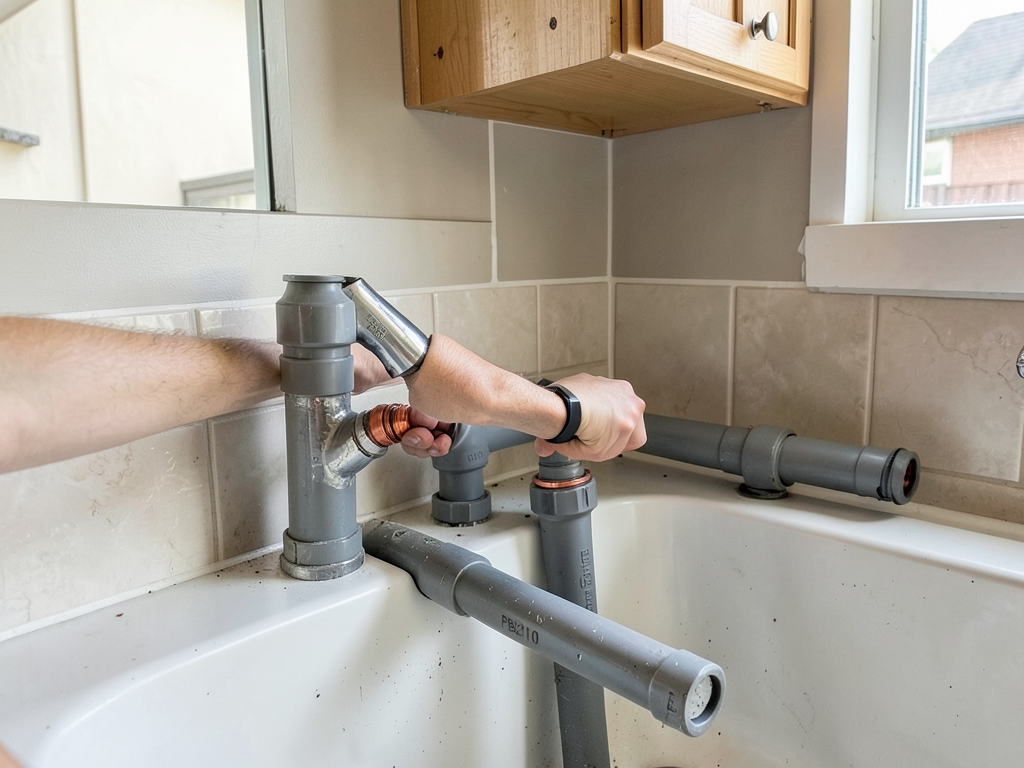
The most obvious visual indicator is the pipe color. Polybutylene pipes are typically a dull gray color, though they can range from silver to light blue or black. The gray variety is most common in Bonsall homes. Unlike modern PEX piping which has a bright, uniform color, polybutylene has a matte, slightly translucent appearance. When you look closely, you might notice a slight bluish tint when light passes through the pipe.
Look for the PB2110 Stamp
Every polybutylene pipe manufactured in the United States should be stamped with “PB2110” somewhere along its length. This marking is usually found near fittings or at regular intervals on the pipe. The stamp may be difficult to see if the pipe is dirty or painted over. Use a flashlight and magnifying glass to inspect exposed pipes in your attic, crawl space, or near your water heater. The “PB” stands for polybutylene, and “2110” is the ASTM standard for these pipes.
Inspect the Fittings: Copper vs. Plastic Crimp Rings
Polybutylene pipes use specific types of fittings that differ from modern plumbing systems. The most common fittings are copper crimp rings that compress the pipe around a brass fitting. These copper rings are about half an inch wide and create a visible ring around the pipe where it connects to other pipes or fixtures. Some polybutylene installations used plastic insert fittings instead, which are less common but equally problematic. Modern PEX systems use different fitting methods that don’t involve these copper crimp rings.
Check Pipe Flexibility
Polybutylene pipes have a distinctive flexibility that sets them apart from other plastic pipes. If you can safely access a section of exposed pipe, gently bend it. Polybutylene will flex slightly without kinking, unlike rigid PVC or the more flexible PEX. However, be extremely careful with this test as aged polybutylene can break easily. This flexibility was one of the original selling points of polybutylene, as it could withstand minor freezing without bursting. How to Deal with a Slab Leak in Your Point Loma Home Without Destroying Your Floors.
Examine Pipe Diameter and Wall Thickness
Polybutylene pipes typically come in standard residential sizes of 1/2 inch, 3/4 inch, and 1 inch for main supply lines. The walls of polybutylene pipes are thinner than modern alternatives, usually about 0.125 inches thick. This thin wall construction contributes to their failure as the material degrades over time. Compare the pipe dimensions to known polybutylene specifications if you’re unsure about the material.
Where to Look: Common Locations in Bonsall Homes
Polybutylene pipes can be found in several locations throughout your Bonsall home. Start your inspection in the most likely areas:
Main Water Shut-off Valve: This is often the first place to check. The main shut-off valve is typically located where the water line enters your home, often in a garage, utility closet, or on an exterior wall. Follow the pipe from the shut-off valve to see what material it’s made of.
Water Heater Connections: Check the pipes connected to your water heater. Polybutylene was commonly used for both hot and cold water lines, and the heat from water heaters can accelerate pipe degradation.
Under Sinks and Vanities: Open cabinet doors under kitchen and bathroom sinks to inspect the supply lines. Polybutylene is often used for these short runs, especially in homes built during the peak installation years.
Attic and Crawl Spaces: Many Bonsall homes have polybutylene pipes running through attics or crawl spaces. These areas are particularly vulnerable because temperature fluctuations and lack of maintenance can accelerate pipe failure.
Near the Water Meter: Check the pipe running from your water meter to your home. This is a common location for polybutylene, especially in homes built between 1978 and 1995.
The Risks of PB Piping in Southern California’s Water System
The combination of polybutylene pipes and Southern California’s water treatment creates a perfect storm for plumbing failure. The San Diego County Water Authority uses chlorine and chloramines to disinfect our water supply. While these chemicals keep our water safe to drink, they react with the polybutylene resin, causing it to become brittle and develop cracks.
The average lifespan of polybutylene pipes in our region is 10-15 years from installation, though many fail much sooner. Given that most Bonsall homes with polybutylene were built in the 1980s and early 1990s, these pipes are now 30-40 years old. This means they’re operating well beyond their intended lifespan and are at extremely high risk of failure.
When polybutylene pipes fail, they typically do so catastrophically. Unlike copper pipes that might develop a slow leak, polybutylene pipes can burst suddenly, releasing hundreds of gallons of water per hour. This can cause extensive damage to flooring, drywall, electrical systems, and personal belongings. The cost of water damage from a single pipe burst often exceeds $10,000, not including the cost of replacing the plumbing system.
Insurance companies have taken notice of these risks. Many insurers either refuse to cover homes with polybutylene pipes or charge significantly higher premiums. Some policies may exclude water damage claims if polybutylene is discovered during an investigation. This creates both a financial and liability risk for homeowners. Why La Jolla Homeowners are Switching to Tankless Water Heaters This Year.
I Found Polybutylene—What Are My Next Steps?
If you’ve identified polybutylene pipes in your Bonsall home, you have several options to consider. The urgency of your response depends on the extent of polybutylene in your system and your risk tolerance.
Immediate Actions: First, locate and test all shut-off valves in your home to ensure they work properly. In an emergency, you’ll need to be able to quickly shut off the water supply. Second, consider installing water leak detection devices near appliances and in areas where polybutylene pipes are present. These devices can alert you to leaks before they cause major damage.
Professional Inspection: Schedule a comprehensive plumbing inspection with a licensed California plumber who has experience with polybutylene systems. They can assess the condition of your pipes, identify the most vulnerable areas, and provide recommendations for replacement. During this inspection, ask about the specific risks for your home based on its age, construction, and local soil conditions.
Replacement Options: The most reliable solution is complete pipe replacement, also known as repiping. Modern alternatives include PEX (cross-linked polyethylene) and copper piping. PEX has become the preferred choice for many San Diego homeowners due to its flexibility, resistance to scale and chlorine, and lower installation costs compared to copper. A typical whole-house repiping in Bonsall ranges from $4,000 to $15,000 depending on home size and accessibility.
Partial Replacement: If complete repiping isn’t immediately feasible, prioritize replacing the most vulnerable sections first. This typically includes pipes in attics, near water heaters, and main supply lines. However, be aware that partial replacement leaves other polybutylene pipes in your system as ticking time bombs.
Schedule a Professional Plumbing Inspection in San Diego
Don’t wait for a pipe to burst and cause thousands of dollars in damage. If your Bonsall home was built between 1978 and 1995, you need a professional inspection to determine if polybutylene pipes are lurking in your walls. Our experienced technicians can identify these problematic pipes and provide a comprehensive assessment of your plumbing system’s condition.
During a professional inspection, we use specialized tools to examine pipes in hard-to-reach areas, test water pressure to identify potential weak points, and provide you with a detailed report of our findings. We’ll explain your options clearly and help you understand the costs and benefits of different replacement strategies. Finding an Emergency Plumber in North Park Who Actually Picks Up the Phone.
Call (619) 304-5400 today to schedule your polybutylene inspection. Our team serves all of San Diego County, including Bonsall, and we offer same-day appointments for urgent situations. Don’t let outdated plumbing put your home at risk – take action now to protect your investment.
Frequently Asked Questions
How can I tell if my home has polybutylene pipes?
Look for gray plastic pipes with the PB2110 stamp, copper crimp ring fittings, and flexible material. Check under sinks, near water heaters, in attics, and at the main water shut-off valve. A professional inspection can confirm if polybutylene is present in your Bonsall home.
Is polybutylene piping illegal in California?
Polybutylene piping is not specifically banned in California, but it’s no longer manufactured or installed due to its high failure rate. Homes with existing polybutylene pipes are not required to remove them, but many insurance companies refuse coverage or charge higher premiums for properties with these pipes.
How much does it cost to replace polybutylene pipes in San Diego?
Whole-house repiping in San Diego typically costs between $4,000 and $15,000 depending on home size, accessibility, and the replacement material chosen. PEX piping is usually less expensive than copper. Partial replacements of high-risk sections can cost less but may leave other polybutylene pipes in place.
Can I sell my home with polybutylene pipes?
Yes, you can sell a home with polybutylene pipes, but you must disclose their presence to potential buyers. Many buyers will request price reductions or ask for the pipes to be replaced as a condition of sale. Some lenders may also require replacement before approving a mortgage.
How long do polybutylene pipes last in San Diego’s climate?
In San Diego’s chlorinated water system, polybutylene pipes typically last 10-15 years from installation. Many pipes installed in the 1980s and early 1990s are now 30-40 years old and operating well beyond their intended lifespan, making them extremely susceptible to sudden failure.
What are the signs that polybutylene pipes are failing?
Signs of failing polybutylene pipes include reduced water pressure, discolored water, visible cracks or bulges in exposed pipes, water stains on walls or ceilings, and the sound of running water when no fixtures are in use. However, many polybutylene failures occur suddenly without warning.
Should I replace polybutylene pipes if they’re not leaking yet?
Yes, it’s generally recommended to replace polybutylene pipes before they fail, especially if your home is in Bonsall and was built between 1978-1995. The cost of preventative replacement is typically much lower than the expense of emergency repairs and water damage restoration after a catastrophic failure. EPA information on chlorine in drinking water.
What’s the difference between polybutylene and PEX piping?
Polybutylene is an older plastic resin that degrades when exposed to chlorine, while PEX (cross-linked polyethylene) is a modern material engineered to resist chlorine, scale, and freezing. PEX is now the standard for residential plumbing and comes with warranties of 25 years or more, compared to polybutylene’s 10-15 year lifespan.
You may also find this helpful. Protecting Your Hidden Meadows Outdoor Kitchen Plumbing from the Occasional Inland Frost.
{
“@context”: “https://schema.org”,
“@type”: “BlogPosting”,
“headline”: “Checking Your Bonsall Home for Brittle Polybutylene Pipes Before They Burst”,
“description”: “Learn how to identify polybutylene pipes in your Bonsall home and understand the risks before they cause costly water damage. Get expert inspection today.”,
“wordCount”: 2066,
“datePublished”: “2026-05-27T11:09:00.000Z”,
“dateModified”: “2026-05-27T11:09:00.000Z”,
“inLanguage”: “en-US”,
“mainEntityOfPage”: {
“@type”: “WebPage”,
“@id”: “https://aceplumbingsandiego.com”
},
“publisher”: {
“@type”: “LocalBusiness”,
“name”: “Ace Plumbing San Diego”,
“url”: “https://aceplumbingsandiego.com”
},
“author”: {
“@type”: “Organization”,
“name”: “Ace Plumbing San Diego”,
“url”: “https://aceplumbingsandiego.com”
},
“image”: {
“@type”: “ImageObject”,
“url”: “https://aceplumbingsandiego.com/wp-content/uploads/2026/03/checking-your-bonsall-home-for-brittle-polybutylen-1.png”
}
}
{
“@context”: “https://schema.org”,
“@type”: “Plumber”,
“name”: “Ace Plumbing San Diego”,
“url”: “https://aceplumbingsandiego.com”,
“address”: {
“@type”: “PostalAddress”,
“addressLocality”: “San Diego”
},
“areaServed”: {
“@type”: “City”,
“name”: “San Diego”
}
}
{
“@context”: “https://schema.org”,
“@type”: “FAQPage”,
“mainEntity”: [
{
“@type”: “Question”,
“name”: “What is Polybutylene Piping and Why is it a Problem?”,
“acceptedAnswer”: {
“@type”: “Answer”,
“text”: “Polybutylene is a flexible plastic resin that was used extensively for residential water supply piping from the late 1970s through the mid-1990s. The pipes are typically gray, though they can also be white, silver, or black. The problem with polybutylene lies in its chemical structure. When exposed to chlorine and other oxidants commonly found in municipal water supplies, the plastic becomes brittle and develops micro-fractures. Over time, these fractures grow until the pipe fails catastrophically. Dealing with Hard Water in Oceanside with a Professional Softener System.”
}
},
{
“@type”: “Question”,
“name”: “I Found Polybutylene—What Are My Next Steps?”,
“acceptedAnswer”: {
“@type”: “Answer”,
“text”: “If you’ve identified polybutylene pipes in your Bonsall home, you have several options to consider. The urgency of your response depends on the extent of polybutylene in your system and your risk tolerance.”
}
},
{
“@type”: “Question”,
“name”: “How can I tell if my home has polybutylene pipes?”,
“acceptedAnswer”: {
“@type”: “Answer”,
“text”: “Look for gray plastic pipes with the PB2110 stamp, copper crimp ring fittings, and flexible material. Check under sinks, near water heaters, in attics, and at the main water shut-off valve. A professional inspection can confirm if polybutylene is present in your Bonsall home.”
}
},
{
“@type”: “Question”,
“name”: “Is polybutylene piping illegal in California?”,
“acceptedAnswer”: {
“@type”: “Answer”,
“text”: “Polybutylene piping is not specifically banned in California, but it’s no longer manufactured or installed due to its high failure rate. Homes with existing polybutylene pipes are not required to remove them, but many insurance companies refuse coverage or charge higher premiums for properties with these pipes.”
}
},
{
“@type”: “Question”,
“name”: “How much does it cost to replace polybutylene pipes in San Diego?”,
“acceptedAnswer”: {
“@type”: “Answer”,
“text”: “Whole-house repiping in San Diego typically costs between $4,000 and $15,000 depending on home size, accessibility, and the replacement material chosen. PEX piping is usually less expensive than copper. Partial replacements of high-risk sections can cost less but may leave other polybutylene pipes in place.”
}
},
{
“@type”: “Question”,
“name”: “Can I sell my home with polybutylene pipes?”,
“acceptedAnswer”: {
“@type”: “Answer”,
“text”: “Yes, you can sell a home with polybutylene pipes, but you must disclose their presence to potential buyers. Many buyers will request price reductions or ask for the pipes to be replaced as a condition of sale. Some lenders may also require replacement before approving a mortgage.”
}
},
{
“@type”: “Question”,
“name”: “How long do polybutylene pipes last in San Diego’s climate?”,
“acceptedAnswer”: {
“@type”: “Answer”,
“text”: “In San Diego’s chlorinated water system, polybutylene pipes typically last 10-15 years from installation. Many pipes installed in the 1980s and early 1990s are now 30-40 years old and operating well beyond their intended lifespan, making them extremely susceptible to sudden failure.”
}
},
{
“@type”: “Question”,
“name”: “What are the signs that polybutylene pipes are failing?”,
“acceptedAnswer”: {
“@type”: “Answer”,
“text”: “Signs of failing polybutylene pipes include reduced water pressure, discolored water, visible cracks or bulges in exposed pipes, water stains on walls or ceilings, and the sound of running water when no fixtures are in use. However, many polybutylene failures occur suddenly without warning.”
}
},
{
“@type”: “Question”,
“name”: “Should I replace polybutylene pipes if they’re not leaking yet?”,
“acceptedAnswer”: {
“@type”: “Answer”,
“text”: “Yes, it’s generally recommended to replace polybutylene pipes before they fail, especially if your home is in Bonsall and was built between 1978-1995. The cost of preventative replacement is typically much lower than the expense of emergency repairs and water damage restoration after a catastrophic failure. EPA information on chlorine in drinking water.”
}
},
{
“@type”: “Question”,
“name”: “What’s the difference between polybutylene and PEX piping?”,
“acceptedAnswer”: {
“@type”: “Answer”,
“text”: “Polybutylene is an older plastic resin that degrades when exposed to chlorine, while PEX (cross-linked polyethylene) is a modern material engineered to resist chlorine, scale, and freezing. PEX is now the standard for residential plumbing and comes with warranties of 25 years or more, compared to polybutylene’s 10-15 year lifespan.”
}
}
]
}
{
“@context”: “https://schema.org”,
“@type”: “BreadcrumbList”,
“itemListElement”: [
{
“@type”: “ListItem”,
“position”: 1,
“name”: “Home”,
“item”: “https://aceplumbingsandiego.com”
},
{
“@type”: “ListItem”,
“position”: 2,
“name”: “Blog”,
“item”: “https://aceplumbingsandiego.com/blog”
},
{
“@type”: “ListItem”,
“position”: 3,
“name”: “Checking Your Bonsall Home for Brittle Polybutylene Pipes Before They Burst”
}
]
}
{
“@context”: “https://schema.org”,
“@type”: “Service”,
“serviceType”: “Plumbing”,
“provider”: {
“@type”: “LocalBusiness”,
“name”: “Ace Plumbing San Diego”,
“url”: “https://aceplumbingsandiego.com”
},
“areaServed”: {
“@type”: “City”,
“name”: “San Diego”
},
“description”: “Learn how to identify polybutylene pipes in your Bonsall home and understand the risks before they cause costly water damage. Get expert inspection today.”
}