
Deciding between a traditional trench and pipe bursting for your Southcrest sewer line
Southcrest homeowners facing sewer line problems have two main repair options: traditional trench excavation or trenchless pipe bursting. Both methods fix broken pipes but differ in cost, disruption, and timeline. Southcrest’s aging infrastructure combined with San Diego’s clay soil makes this decision critical for protecting your property and budget. EPA sewer system guidelines.
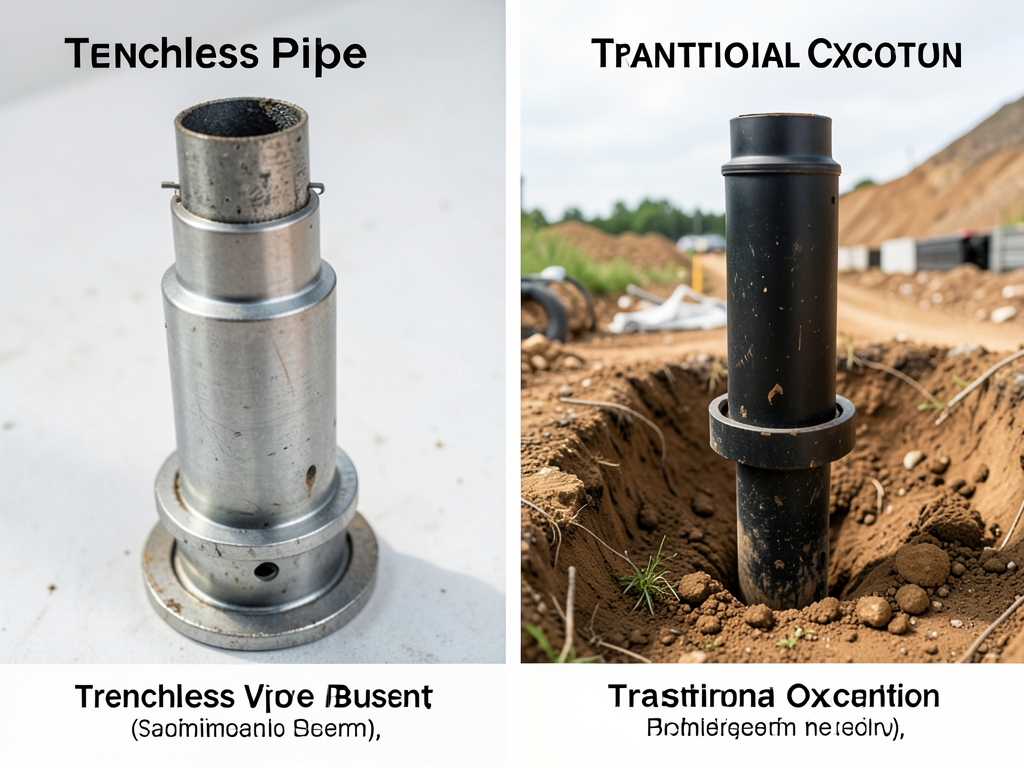
Traditional trenching involves digging a long trench to access and replace damaged pipes. This method works well when pipes are severely collapsed or when multiple utility lines need relocation. The process typically takes 5-7 days and requires heavy equipment that tears up lawns, driveways, and landscaping. Restoration costs often exceed the plumbing work itself.
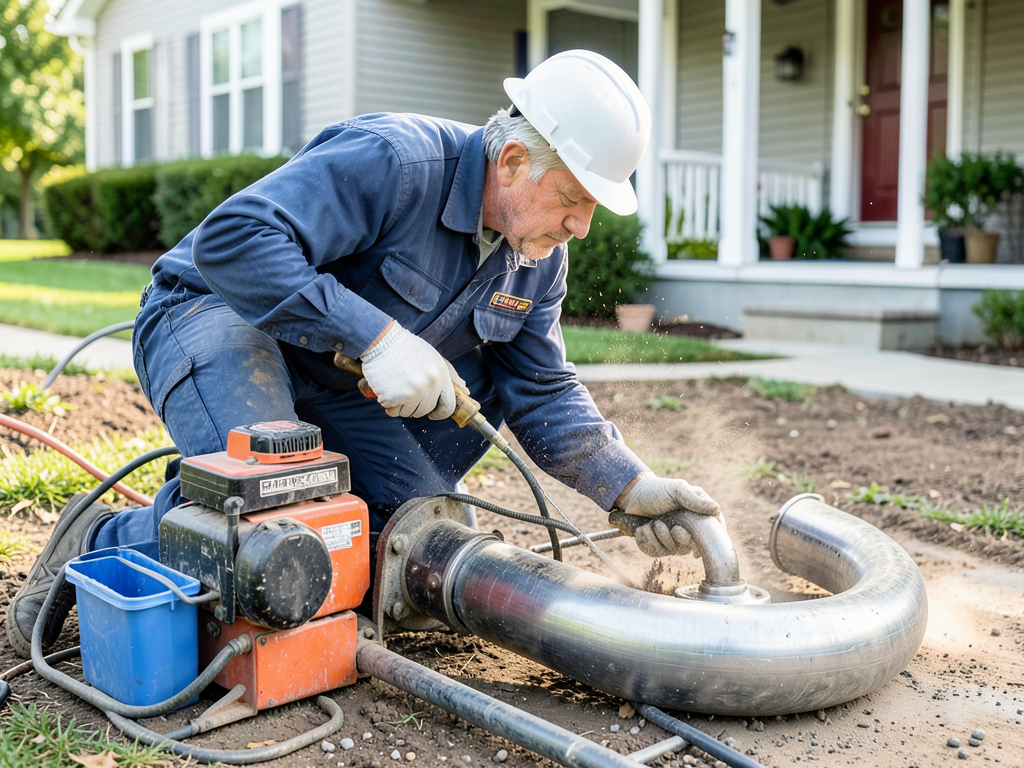
Pipe bursting offers a trenchless alternative that pulls a new pipe through the old one while simultaneously breaking the damaged pipe outward. This method completes most jobs in 1-2 days with minimal surface disruption. The new HDPE pipe typically lasts 50-100 years and resists root intrusion better than traditional materials.
Your choice depends on pipe condition, property layout, and budget constraints. Let’s examine both methods in detail to help you make the right decision for your Southcrest home.
How pipe bursting works in Southcrest soil conditions
Pipe bursting uses hydraulic power to pull a bursting head through existing pipes. The head expands and fractures the old pipe while simultaneously pulling the new HDPE pipe behind it. In Southcrest’s expansive clay soil, this method proves particularly effective because the bursting process creates a slight expansion zone that accommodates soil movement.
The bursting head requires specific PSI ratings based on soil density. Southcrest’s clay typically needs 8,000-12,000 PSI to break through without damaging nearby utilities. Our technicians use ground-penetrating radar before starting to locate gas lines, electrical conduits, and other underground obstacles common in older Southcrest neighborhoods. How to Deal with a Slab Leak in Your Point Loma Home Without Destroying Your Floors.
HDPE pipe offers superior flexibility compared to PVC or clay pipes. This flexibility allows the pipe to shift slightly with seasonal soil expansion and contraction, reducing future breakages. The material also resists chemical degradation from South San Diego’s slightly alkaline groundwater. Dealing with Hard Water in Oceanside with a Professional Softener System.
Key advantage in Southcrest: Pipe bursting avoids disturbing mature trees and drought-tolerant landscaping common in Southcrest yards. The minimal excavation preserves water-conserving plants and rock gardens that many homeowners have installed to comply with San Diego water restrictions.
Traditional trenching when it remains necessary
Traditional trenching still serves as the best option for certain Southcrest sewer problems. When pipes have completely collapsed or when multiple connections need replacement, open excavation provides better access for comprehensive repairs. The method also works better for pipes located under concrete slabs or deep beneath driveways.
Excavation requires shoring systems to prevent trench collapse, especially in Southcrest’s clay soil that becomes unstable when wet. Our crews use hydraulic shoring equipment that meets OSHA standards for trenches deeper than five feet. This safety equipment adds to project costs but protects workers and prevents property damage.
Traditional methods allow visual inspection of pipe conditions and surrounding soil. This inspection helps identify root intrusion patterns, soil erosion around pipes, or chemical damage that might not show up on camera inspections. Such detailed assessment helps prevent future problems.
When trenching wins: Properties with multiple failed connections, severe pipe misalignment, or pipes located under existing structures often require traditional excavation. The method also provides better access for installing cleanouts or adjusting pipe slopes to improve drainage.
Cost comparison for Southcrest properties
Cost factors vary significantly between methods. Pipe bursting typically costs $80-120 per linear foot in Southcrest, while traditional trenching runs $50-90 per linear foot. However, restoration costs change this equation dramatically.
Pipe bursting restoration usually involves minimal lawn patching and re-seeding, costing $500-1,500 total. Traditional trenching requires driveway replacement, landscaping restoration, and sometimes concrete work that can add $3,000-8,000 to the project. For a typical 50-foot repair, trenchless work might cost $6,000-10,000 total, while traditional could reach $8,000-15,000 with restoration.
Permit costs through the City of San Diego Development Services Department add similar fees to both methods. Current fees run approximately $250-400 for residential sewer lateral repairs, with additional inspection costs of $150-250. These fees cover plan review and final inspection to ensure code compliance. City of San Diego Development Services Department.
Long-term value consideration: HDPE pipe from bursting typically carries a 50-year warranty and resists future root intrusion. Traditional PVC pipe often comes with 25-year warranties but may require earlier replacement in Southcrest’s soil conditions.
| Factor | Pipe Bursting | Traditional Trenching |
|---|---|---|
| Initial cost per foot | $80-120 | $50-90 |
| Restoration costs | $500-1,500 | $3,000-8,000 | Completion time | 1-2 days | 5-7 days |
| Lifespan | 50-100 years | 25-40 years |
| Landscape impact | Minimal | Severe |
| Best for | Straight runs, minor damage | Severe damage, multiple connections |
San Diego permit requirements and inspections
Both methods require permits from the City of San Diego Development Services Department. The process starts with a camera inspection to determine pipe material, size, and damage extent. This inspection report becomes part of your permit application.
Southcrest properties often require additional documentation due to the area’s age. Homes built before 1950 may need historical preservation reviews if located near designated structures. The process typically takes 3-5 business days for standard permits, longer for complex cases.
Inspections occur at different stages. For trenching, inspectors check shoring installation, pipe bedding, and final connections. Pipe bursting inspections focus on the bursting process, new pipe connections, and final testing. Both methods require pressure testing to ensure leak-free connections.
Local code consideration: San Diego Municipal Code Section 53.4300 requires minimum pipe slopes of 1/4 inch per foot for sewer lines. Our technicians use laser levels during installation to ensure proper drainage and code compliance.
Southcrest soil and climate factors
Southcrest sits on expansive clay soil that swells when wet and shrinks during dry periods. This movement causes pipe separation, especially in older clay or concrete pipes. Pipe bursting’s flexible HDPE material handles this movement better than rigid PVC or clay pipes.
The area’s minimal rainfall creates another challenge. When heavy rains do occur, water rushes through Southcrest’s relatively flat terrain, creating hydraulic pressure on underground pipes. Proper pipe bedding and compaction become critical for long-term performance.
Coastal influence affects pipe longevity. Salt air accelerates corrosion of metal components in older systems. Homes near National Avenue and south toward the 405 corridor show higher rates of cast iron pipe deterioration due to salt exposure.
Diagnostic tip: Before choosing repair methods, we perform a hydrostatic pressure test to identify leaks and measure soil saturation around pipes. This test reveals whether soil movement or water pressure caused the damage, helping determine the best repair approach.
Making your decision: three key factors
Start by determining your pipe’s condition through professional camera inspection. Clear, partially damaged pipes usually work well with bursting. Severely collapsed or misaligned pipes often need traditional excavation.
Consider your property’s landscaping and hardscaping. Mature trees, expensive pavers, or recently installed landscaping favor trenchless methods. Properties with simple lawns or gravel yards might better tolerate traditional excavation.
Evaluate your timeline and budget constraints. Pipe bursting’s faster completion and lower restoration costs often offset its higher per-foot price. However, if your pipes need extensive work, traditional methods might provide better long-term value.
Quick decision guide: If your pipes are less than 50% damaged and run straight under lawn areas, choose pipe bursting. If pipes are severely damaged, run under structures, or need multiple connections replaced, traditional excavation likely works better.
Frequently Asked Questions
Will pipe bursting damage my gas or electrical lines?
Professional pipe bursting uses ground-penetrating radar and careful planning to avoid utility conflicts. The bursting head follows the existing pipe path, staying within the original trench. Our technicians mark all utilities before starting and maintain safe distances from gas and electrical lines.
How long will my water service be interrupted?
Most pipe bursting projects require water shutoff for 4-6 hours. Traditional trenching might need 8-12 hours of service interruption. We provide advance notice and can arrange temporary water connections for medical equipment or other critical needs.. Read more about Why your Talmadge home needs a sub-meter if you are adding a rental unit.
Does homeowners insurance cover sewer line repairs?
Standard policies typically exclude sewer line repairs unless damage results from covered perils like tree root invasion or sudden pipe failure. Check your policy or contact your insurance provider. Some companies offer optional sewer line coverage for an additional premium.
What warranty comes with each repair method?
Pipe bursting with HDPE pipe typically carries 50-year warranties from manufacturers. The installation workmanship usually includes 5-10 year warranties. Traditional repairs often include 10-25 year warranties depending on pipe material and installation quality.
How do I know if my pipes need repair or replacement?
Signs include recurring clogs, sewage backups, foul odors, lush patches in your yard, or foundation cracks. A professional camera inspection reveals pipe condition, identifying cracks, root intrusion, or misalignment that indicates whether repair or replacement makes sense.
Take action before small problems become major damage
Sewer line problems rarely improve on their own. What starts as minor root intrusion or small cracks can escalate to complete pipe failure, causing sewage backups into your home or yard. Southcrest’s clay soil and aging infrastructure create perfect conditions for these problems to worsen quickly.
Don’t wait for emergency repairs that cost three times more than planned work. A professional inspection today can identify problems while they’re still manageable. Our camera inspection reveals exactly what’s happening underground, allowing you to make informed decisions about repair methods and timing. Finding an Emergency Plumber in North Park Who Actually Picks Up the Phone.
Call (619) 304-5400 today to schedule your sewer line inspection. Our Southcrest plumbing experts will assess your specific situation, explain your options clearly, and provide upfront pricing with no hidden fees. Whether you need pipe bursting or traditional excavation, we’ll help you choose the right solution for your home and budget.
Pick up the phone and call (619) 304-5400 before the next heavy rain hits. Southcrest’s flat terrain means water accumulates quickly, putting extra pressure on already compromised pipes. Don’t risk sewage backing up into your home or yard. Our team is ready to help you protect your property and restore your peace of mind.
You may also find this helpful. Tracking down the source of mysterious sewer smells in your Mission Highlands home.
{
“@context”: “https://schema.org”,
“@type”: “BlogPosting”,
“headline”: “Deciding between a traditional trench and pipe bursting for your Southcrest sewer line”,
“description”: “Compare trenchless pipe bursting vs. traditional excavation for Southcrest sewer repairs. See costs, timelines, and local San Diego permitting requirements.”,
“wordCount”: 1702,
“datePublished”: “2026-04-29T07:05:00.000Z”,
“dateModified”: “2026-04-29T07:05:00.000Z”,
“inLanguage”: “en-US”,
“mainEntityOfPage”: {
“@type”: “WebPage”,
“@id”: “https://aceplumbingsandiego.com”
},
“publisher”: {
“@type”: “LocalBusiness”,
“name”: “Ace Plumbing San Diego”,
“url”: “https://aceplumbingsandiego.com”
},
“author”: {
“@type”: “Organization”,
“name”: “Ace Plumbing San Diego”,
“url”: “https://aceplumbingsandiego.com”
},
“image”: {
“@type”: “ImageObject”,
“url”: “https://aceplumbingsandiego.com/wp-content/uploads/2026/03/deciding-between-a-traditional-trench-and-pipe-bur-1.png”
}
}
{
“@context”: “https://schema.org”,
“@type”: “Plumber”,
“name”: “Ace Plumbing San Diego”,
“url”: “https://aceplumbingsandiego.com”,
“address”: {
“@type”: “PostalAddress”,
“addressLocality”: “San Diego”
},
“areaServed”: {
“@type”: “City”,
“name”: “San Diego”
}
}
{
“@context”: “https://schema.org”,
“@type”: “FAQPage”,
“mainEntity”: [
{
“@type”: “Question”,
“name”: “Will pipe bursting damage my gas or electrical lines?”,
“acceptedAnswer”: {
“@type”: “Answer”,
“text”: “Professional pipe bursting uses ground-penetrating radar and careful planning to avoid utility conflicts. The bursting head follows the existing pipe path, staying within the original trench. Our technicians mark all utilities before starting and maintain safe distances from gas and electrical lines.”
}
},
{
“@type”: “Question”,
“name”: “How long will my water service be interrupted?”,
“acceptedAnswer”: {
“@type”: “Answer”,
“text”: “Most pipe bursting projects require water shutoff for 4-6 hours. Traditional trenching might need 8-12 hours of service interruption. We provide advance notice and can arrange temporary water connections for medical equipment or other critical needs.”
}
},
{
“@type”: “Question”,
“name”: “Does homeowners insurance cover sewer line repairs?”,
“acceptedAnswer”: {
“@type”: “Answer”,
“text”: “Standard policies typically exclude sewer line repairs unless damage results from covered perils like tree root invasion or sudden pipe failure. Check your policy or contact your insurance provider. Some companies offer optional sewer line coverage for an additional premium.”
}
},
{
“@type”: “Question”,
“name”: “What warranty comes with each repair method?”,
“acceptedAnswer”: {
“@type”: “Answer”,
“text”: “Pipe bursting with HDPE pipe typically carries 50-year warranties from manufacturers. The installation workmanship usually includes 5-10 year warranties. Traditional repairs often include 10-25 year warranties depending on pipe material and installation quality.”
}
},
{
“@type”: “Question”,
“name”: “How do I know if my pipes need repair or replacement?”,
“acceptedAnswer”: {
“@type”: “Answer”,
“text”: “Signs include recurring clogs, sewage backups, foul odors, lush patches in your yard, or foundation cracks. A professional camera inspection reveals pipe condition, identifying cracks, root intrusion, or misalignment that indicates whether repair or replacement makes sense.”
}
}
]
}
{
“@context”: “https://schema.org”,
“@type”: “BreadcrumbList”,
“itemListElement”: [
{
“@type”: “ListItem”,
“position”: 1,
“name”: “Home”,
“item”: “https://aceplumbingsandiego.com”
},
{
“@type”: “ListItem”,
“position”: 2,
“name”: “Blog”,
“item”: “https://aceplumbingsandiego.com/blog”
},
{
“@type”: “ListItem”,
“position”: 3,
“name”: “Deciding between a traditional trench and pipe bursting for your Southcrest sewer line”
}
]
}
{
“@context”: “https://schema.org”,
“@type”: “Service”,
“serviceType”: “Plumbing”,
“provider”: {
“@type”: “LocalBusiness”,
“name”: “Ace Plumbing San Diego”,
“url”: “https://aceplumbingsandiego.com”
},
“areaServed”: {
“@type”: “City”,
“name”: “San Diego”
},
“description”: “Compare trenchless pipe bursting vs. traditional excavation for Southcrest sewer repairs. See costs, timelines, and local San Diego permitting requirements.”
}