
Solving Noisy Water Hammer Issues in Older San Carlos Residences
Water hammer creates loud banging sounds in your pipes when water suddenly stops or changes direction. In San Carlos’s older homes, this common plumbing problem often signals deeper issues with water pressure, aging pipes, or failing air chambers. The distinctive thumping or hammering noise occurs when the momentum of rushing water slams into closed valves, creating hydraulic shock that can damage your plumbing system over time. San Diego Public Utilities Department.
San Carlos residents face unique challenges because many homes built in the 1950s and 1960s still have original copper or galvanized steel piping. These aging systems combined with San Diego’s high municipal water pressure create perfect conditions for water hammer to develop and worsen over time. Dealing with Hard Water in Oceanside with a Professional Softener System.
Understanding What Causes Water Hammer in San Carlos Homes
Water hammer happens when flowing water encounters an abrupt stop, sending a pressure wave through your pipes. In San Carlos, several factors make this problem more severe than in newer neighborhoods.. Read more about Why your Paradise Hills water heater is making loud popping or rumbling noises.
San Diego’s municipal water pressure typically runs between 60-80 PSI, with some areas reaching 90+ PSI during peak usage times. The California Plumbing Code requires pressure reducing valves (PRVs) for pressures exceeding 80 PSI, but many older San Carlos homes never had these installed or have PRVs that failed years ago. California Plumbing Code Section 609.1.
Older copper pipes expand and contract with temperature changes, loosening their mounting straps over decades. When pipes become loose, they vibrate more violently when water hammer occurs, amplifying the noise and causing additional damage to walls and connections.
Air chambers, designed to absorb shock waves, can become waterlogged when mineral deposits from San Diego’s hard water block the air vents. Without functioning air chambers, every valve closure sends a full-pressure shock through your system. How to Deal with a Slab Leak in Your Point Loma Home Without Destroying Your Floors.
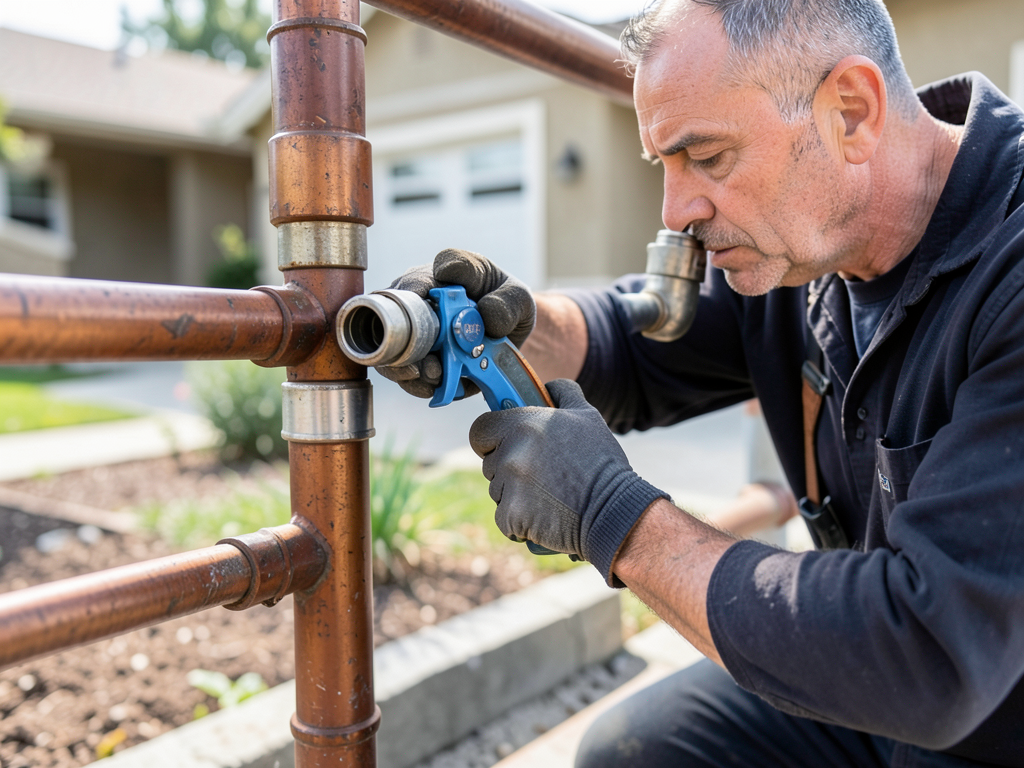
Diagnosing Different Pipe Noises in Your San Carlos Home
Not all pipe noises indicate water hammer. Understanding the specific sound helps identify the root cause and proper solution.
Water hammer produces a distinct loud bang or series of bangs that occur when you shut off a faucet or when your washing machine stops filling. The noise comes from the sudden stop of water flow, creating a shockwave that travels through the pipes.
Thermal expansion creates ticking or popping sounds as pipes heat up and cool down. This happens when hot water flows through cold pipes or vice versa. The noise occurs gradually and continues for several minutes after water flow stops.
Loose pipes rattle or vibrate when water flows through them, especially at high pressure. You might hear a humming or vibrating sound that changes with water flow rate. This noise often comes from pipes touching wood framing or lacking proper support straps.
High water pressure causes a constant humming or whining sound throughout your plumbing system. You may notice this noise is louder near your water heater or main supply line. Pressure-related noises often worsen over time as pressure increases.. Read more about Who is Responsible for Plumbing Repairs in College Area Rental Properties?.
Quick DIY Fixes for Water Hammer in San Carlos Residences
Before calling a plumber, several simple fixes might resolve minor water hammer issues in your older San Carlos home.
Resetting air chambers often solves water hammer problems caused by waterlogged pipes. Turn off your main water supply valve, usually located near your water meter. Open all faucets in your home, starting from the highest floor and working down. Let water drain completely for 5-10 minutes. Close all faucets and turn the main valve back on. This process refills air chambers with fresh air.
Securing loose pipes can significantly reduce vibration and noise. Check visible pipes in basements, crawl spaces, and utility rooms. Look for pipes that move when you gently push on them. Add pipe straps or cushioned clamps every 6-8 feet for horizontal runs and every 8-10 feet for vertical runs. Use plastic or rubber-lined straps to prevent metal-on-metal contact.
Installing water hammer arrestors provides a simple solution for specific fixtures. These small devices absorb shock waves and install directly on washing machine valves, dishwasher connections, or under sinks. Choose arrestors sized for your pipe diameter and water pressure. Most residential arrestors work for pressures up to 150 PSI.
Adjusting your pressure reducing valve can eliminate pressure-related noises. Locate your PRV, typically near the main shutoff valve. Using a pressure gauge on an outdoor faucet, measure your home’s water pressure. If it exceeds 80 PSI, adjust the PRV clockwise to reduce pressure to 60-70 PSI. Check pressure again after adjustment.
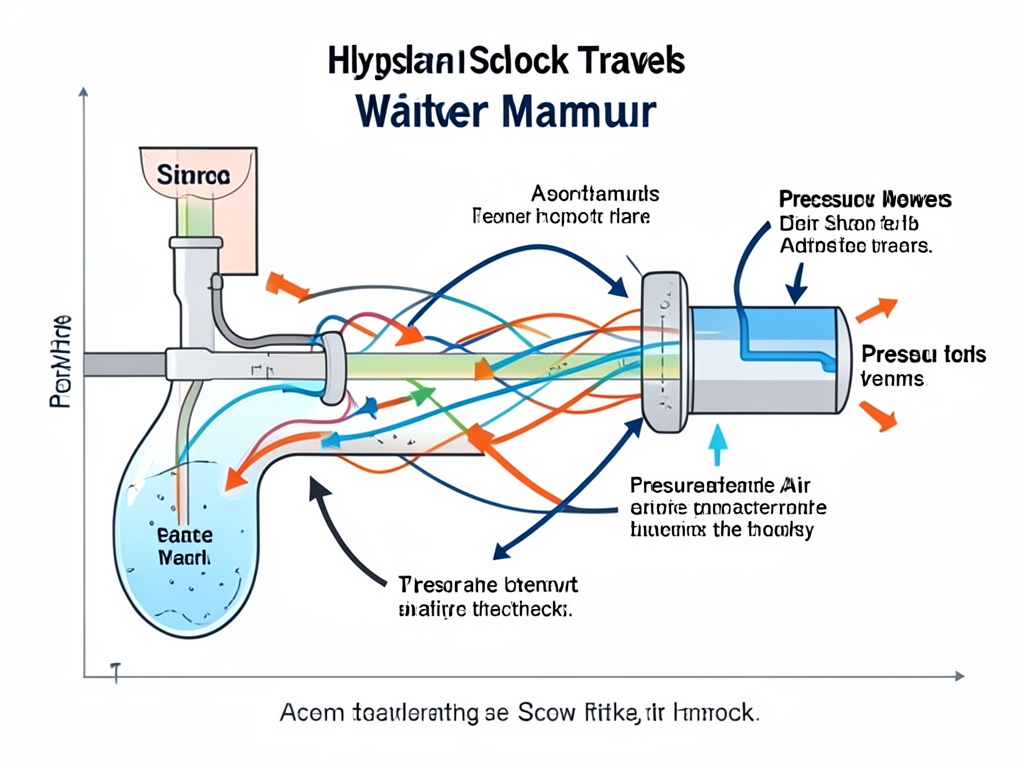
Advanced Solutions for Persistent Water Hammer Problems
When basic fixes fail, more comprehensive solutions address underlying plumbing issues in older San Carlos homes.
Replacing failed pressure reducing valves becomes necessary when adjustments no longer control water pressure. PRVs typically last 10-15 years in San Diego’s hard water conditions. Signs of failure include fluctuating pressure, hammering that returns after adjustments, or visible corrosion on the valve body. A new PRV installation costs between $350-$600 including parts and labor.
Installing a whole-house water hammer arrestor system provides the most comprehensive protection. These devices install on your main water line and absorb shock waves throughout your entire plumbing system. Unlike fixture-specific arrestors, whole-house units protect every pipe and fixture simultaneously. Installation requires cutting into your main supply line and typically costs $800-$1,200.
Replacing old copper or galvanized pipes with PEX piping eliminates many water hammer issues. PEX’s flexibility absorbs shock waves better than rigid copper or steel. The material also resists scale buildup from San Diego’s hard water, maintaining better water flow over time. A whole-house repipe costs $4,000-$8,000 depending on home size but often solves multiple plumbing problems simultaneously.
Adding thermal expansion tanks prevents pressure buildup in closed plumbing systems. Modern plumbing codes require these tanks when installing new water heaters because they prevent dangerous pressure increases as water heats and expands. Expansion tanks install on your cold water line near the water heater and cost $150-$300 installed.
San Diego Water Pressure Standards and Local Considerations
San Diego’s water system presents unique challenges for older neighborhoods like San Carlos. Understanding local standards helps identify when professional intervention becomes necessary.
The San Diego Public Utilities Department maintains water pressure between 50-100 PSI throughout most of the city, with pressure varying by elevation and distance from pumping stations. San Carlos, located in a higher elevation area, often experiences pressure on the upper end of this range or slightly above.
California Plumbing Code Section 609.1 requires pressure reducing valves when supply pressure exceeds 80 PSI. The code also mandates thermal expansion protection for closed systems, which includes most homes built after the 1970s with backflow prevention devices.
San Diego’s water contains approximately 214 parts per million of dissolved minerals, classifying it as moderately hard water. This mineral content accelerates scale buildup in pipes, valves, and air chambers, reducing their effectiveness and contributing to water hammer problems.
Many San Carlos homes built before 1980 lack the pressure and expansion protection now required by code. These homes often develop chronic water hammer issues as municipal pressure increases over time and original plumbing components age beyond their service life.
When to Call a Licensed San Diego Plumber
Certain water hammer symptoms indicate problems requiring professional diagnosis and repair to prevent costly damage.
Call a plumber immediately if you notice water leaking from pipe joints or valves after hammering occurs. The shock waves can loosen connections, creating slow leaks that cause hidden water damage. Water stains on walls or ceilings near plumbing lines suggest ongoing problems requiring urgent attention.
Professional help becomes essential when water hammer affects your entire home rather than isolated fixtures. Whole-house hammering often indicates main line issues like failed PRVs or problems with your home’s pressure regulation system. These problems require specialized testing equipment to diagnose accurately.
Schedule an inspection if you hear banging sounds accompanied by fluctuating water pressure or discolored water. These symptoms suggest pipe corrosion or sediment buildup that could lead to pipe failure. A plumber can perform pressure testing and pipe inspection to assess system condition.
Consider professional repiping when your home has multiple plumbing issues beyond water hammer. Frequent leaks, low water pressure, or visible pipe corrosion indicate an aging system that may benefit from complete replacement rather than ongoing repairs.
A licensed plumber brings specialized tools like water pressure gauges, acoustic listening devices, and pipe inspection cameras to diagnose water hammer causes accurately. They also understand local building codes and can recommend solutions that comply with San Diego regulations.
Preventing Future Water Hammer Issues in Your San Carlos Home
Proactive maintenance prevents water hammer from returning after repairs and protects your plumbing investment long-term.
Test your home’s water pressure annually using a pressure gauge attached to an outdoor hose bib. Ideal pressure ranges from 60-70 PSI. If pressure exceeds 80 PSI, have your PRV inspected or replaced. Regular pressure testing catches problems before they cause damage.
Flush your water heater annually to remove sediment buildup that contributes to thermal expansion and pressure problems. Turn off power or gas to the heater, connect a garden hose to the drain valve, and flush until water runs clear. This simple maintenance extends heater life and improves efficiency.
Inspect visible pipes annually for signs of movement, corrosion, or loose mounting straps. Check under sinks, in basements, and around water heaters. Tighten loose straps and replace corroded ones before they fail completely.
Consider installing a whole-house water softener if your home has severe hard water problems. While not directly related to water hammer, soft water prevents scale buildup that clogs air chambers and reduces plumbing efficiency. Softened water also extends the life of water heaters, valves, and other components.
Replace washing machine and dishwasher hoses every five years, even if they appear fine. These rubber hoses deteriorate from the inside out and can burst under pressure, causing flooding and water hammer issues. Stainless steel braided hoses provide better durability and pressure resistance.
Cost Considerations for Water Hammer Repairs in San Carlos
Understanding repair costs helps San Carlos homeowners budget for necessary plumbing improvements and prioritize solutions. Why La Jolla Homeowners are Switching to Tankless Water Heaters This Year.
DIY fixes like resetting air chambers or securing loose pipes cost $20-$100 for basic tools and materials. These solutions work for minor, isolated problems but may not address underlying pressure or system issues.
Professional repairs vary significantly based on the problem’s complexity. Replacing a PRV costs $350-$600, while installing water hammer arrestors runs $150-$300 per fixture. Whole-house arrestor systems cost $800-$1,200 installed.
Complete repiping represents the highest cost option at $4,000-$8,000 but often solves multiple problems simultaneously. This investment becomes worthwhile when homes have chronic leaks, low pressure, or severely corroded pipes beyond normal repair age.
Preventative maintenance costs less than emergency repairs. Annual pressure testing costs nothing if you own a gauge, while professional inspections run $100-$200. Water heater flushing requires only your time but prevents costly premature replacement. Finding an Emergency Plumber in North Park Who Actually Picks Up the Phone.
Many San Carlos homeowners find that addressing water hammer problems early prevents expensive water damage repairs later. A single major leak from failed plumbing can cost thousands in repairs, making preventative solutions cost-effective long-term investments.. Read more about Identifying the early warning signs of a pinhole leak in your Talmadge home.
Frequently Asked Questions
Is water hammer dangerous for my home’s plumbing?
Yes, water hammer can cause serious damage over time. The shock waves weaken pipe joints, loosen connections, and can eventually cause pipes to burst. In older San Carlos homes with already aging plumbing, water hammer accelerates deterioration and increases leak risks.
Can I fix water hammer myself or do I need a plumber?
Simple fixes like resetting air chambers or securing loose pipes work for minor issues. However, problems involving pressure regulation, whole-house systems, or recurring hammering require professional diagnosis. A plumber can test pressure, inspect pipes, and ensure repairs meet local codes.
How much does it cost to fix water hammer in San Carlos?
Costs range from $20 for DIY fixes to $8,000 for complete repiping. Most professional repairs fall between $300-$1,500 depending on the solution needed. Whole-house arrestor systems cost $800-$1,200, while PRV replacement runs $350-$600.
Will a water softener help with water hammer?
Water softeners don’t directly fix water hammer but prevent scale buildup that clogs air chambers and reduces plumbing efficiency. Softened water extends the life of all plumbing components and may reduce some pressure-related noises caused by restricted flow.
How long do pressure reducing valves last in San Diego?
PRVs typically last 10-15 years in San Diego’s hard water conditions. Signs of failure include fluctuating pressure, recurring water hammer after adjustments, or visible corrosion. Annual pressure testing helps identify failing PRVs before they cause damage.
Don’t let noisy pipes damage your San Carlos home’s plumbing system. Call (619) 304-5400 today to schedule your professional water hammer inspection and protect your investment with expert solutions tailored to San Carlos’s unique plumbing challenges.
You may also find this helpful. Why Your Black Mountain Ranch Smart Home Needs an Automatic Water Shut-Off Valve.
You may also find this helpful. Why Your Golden Hill Historic Home Needs a Professional Bidet Installation.
{
“@context”: “https://schema.org”,
“@type”: “BlogPosting”,
“headline”: “Solving Noisy Water Hammer Issues in Older San Carlos Residences”,
“description”: “Fix banging pipes in your San Carlos home with expert tips on water hammer, pressure issues, and San Diego-specific plumbing solutions. Call (619) 304-5400.”,
“wordCount”: 2161,
“datePublished”: “2026-03-10T11:03:00.000Z”,
“dateModified”: “2026-03-10T11:03:00.000Z”,
“inLanguage”: “en-US”,
“mainEntityOfPage”: {
“@type”: “WebPage”,
“@id”: “https://aceplumbingsandiego.com”
},
“publisher”: {
“@type”: “LocalBusiness”,
“name”: “Ace Plumbing San Diego”,
“url”: “https://aceplumbingsandiego.com”
},
“author”: {
“@type”: “Organization”,
“name”: “Ace Plumbing San Diego”,
“url”: “https://aceplumbingsandiego.com”
},
“image”: {
“@type”: “ImageObject”,
“url”: “https://aceplumbingsandiego.com/wp-content/uploads/2026/03/solving-noisy-water-hammer-issues-in-older-san-car-1.png”
}
}
{
“@context”: “https://schema.org”,
“@type”: “Plumber”,
“name”: “Ace Plumbing San Diego”,
“url”: “https://aceplumbingsandiego.com”,
“address”: {
“@type”: “PostalAddress”,
“addressLocality”: “San Diego”
},
“areaServed”: {
“@type”: “City”,
“name”: “San Diego”
}
}
{
“@context”: “https://schema.org”,
“@type”: “FAQPage”,
“mainEntity”: [
{
“@type”: “Question”,
“name”: “Is water hammer dangerous for my home’s plumbing?”,
“acceptedAnswer”: {
“@type”: “Answer”,
“text”: “Yes, water hammer can cause serious damage over time. The shock waves weaken pipe joints, loosen connections, and can eventually cause pipes to burst. In older San Carlos homes with already aging plumbing, water hammer accelerates deterioration and increases leak risks.”
}
},
{
“@type”: “Question”,
“name”: “Can I fix water hammer myself or do I need a plumber?”,
“acceptedAnswer”: {
“@type”: “Answer”,
“text”: “Simple fixes like resetting air chambers or securing loose pipes work for minor issues. However, problems involving pressure regulation, whole-house systems, or recurring hammering require professional diagnosis. A plumber can test pressure, inspect pipes, and ensure repairs meet local codes.”
}
},
{
“@type”: “Question”,
“name”: “How much does it cost to fix water hammer in San Carlos?”,
“acceptedAnswer”: {
“@type”: “Answer”,
“text”: “Costs range from $20 for DIY fixes to $8,000 for complete repiping. Most professional repairs fall between $300-$1,500 depending on the solution needed. Whole-house arrestor systems cost $800-$1,200, while PRV replacement runs $350-$600.”
}
},
{
“@type”: “Question”,
“name”: “Will a water softener help with water hammer?”,
“acceptedAnswer”: {
“@type”: “Answer”,
“text”: “Water softeners don’t directly fix water hammer but prevent scale buildup that clogs air chambers and reduces plumbing efficiency. Softened water extends the life of all plumbing components and may reduce some pressure-related noises caused by restricted flow.”
}
},
{
“@type”: “Question”,
“name”: “How long do pressure reducing valves last in San Diego?”,
“acceptedAnswer”: {
“@type”: “Answer”,
“text”: “PRVs typically last 10-15 years in San Diego’s hard water conditions. Signs of failure include fluctuating pressure, recurring water hammer after adjustments, or visible corrosion. Annual pressure testing helps identify failing PRVs before they cause damage.”
}
}
]
}
{
“@context”: “https://schema.org”,
“@type”: “BreadcrumbList”,
“itemListElement”: [
{
“@type”: “ListItem”,
“position”: 1,
“name”: “Home”,
“item”: “https://aceplumbingsandiego.com”
},
{
“@type”: “ListItem”,
“position”: 2,
“name”: “Blog”,
“item”: “https://aceplumbingsandiego.com/blog”
},
{
“@type”: “ListItem”,
“position”: 3,
“name”: “Solving Noisy Water Hammer Issues in Older San Carlos Residences”
}
]
}
{
“@context”: “https://schema.org”,
“@type”: “Service”,
“serviceType”: “Plumbing”,
“provider”: {
“@type”: “LocalBusiness”,
“name”: “Ace Plumbing San Diego”,
“url”: “https://aceplumbingsandiego.com”
},
“areaServed”: {
“@type”: “City”,
“name”: “San Diego”
},
“description”: “Fix banging pipes in your San Carlos home with expert tips on water hammer, pressure issues, and San Diego-specific plumbing solutions. Call (619) 304-5400.”
}